
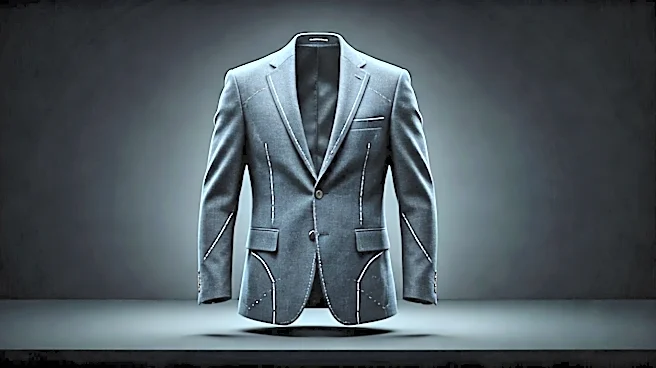


Dior: The Art of Modern Classicism
At Dior, creative director Kim Jones is playing a long game, and it’s paying off beautifully. He isn’t interested in chasing fleeting trends; instead, he’s meticulously building a new uniform for the modern man who appreciates artistry as much as aesthetics.
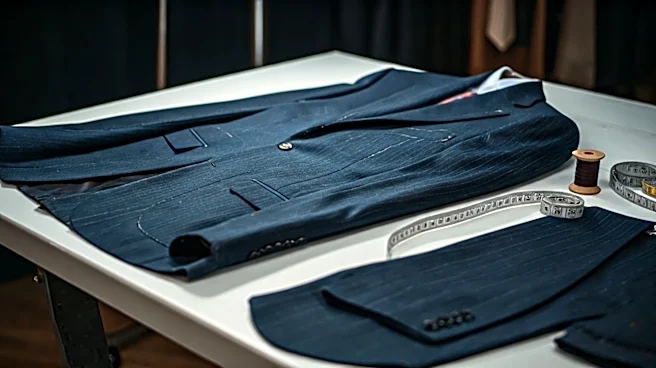
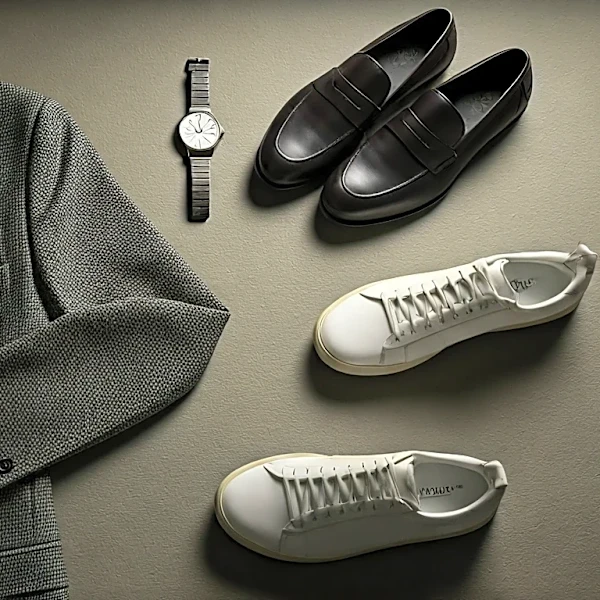
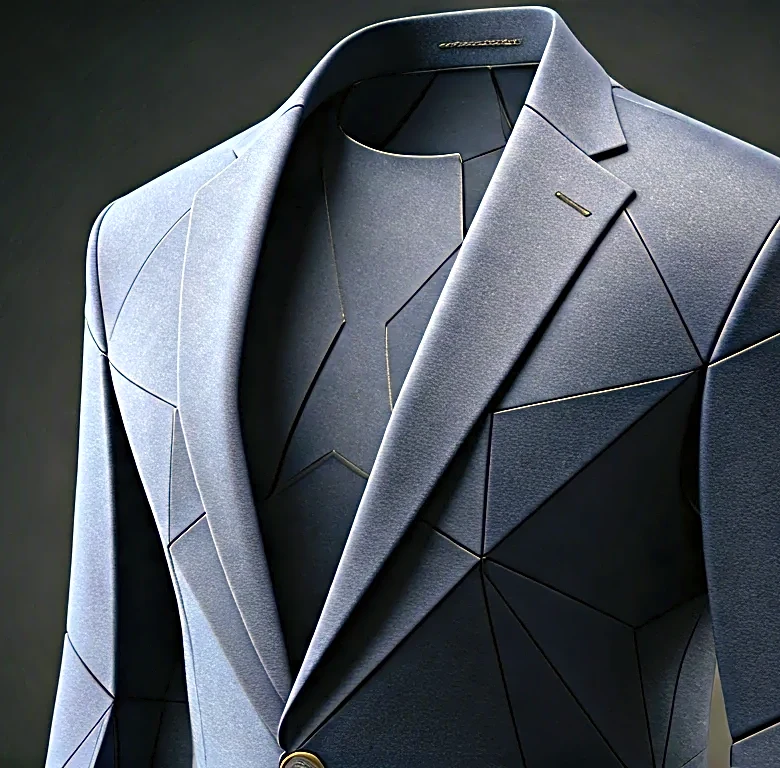
His vision is rooted in Dior’s couture DNA, borrowing techniques from the womenswear atelier—intricate embroidery, elegant draping, and a focus on silhouette—and translating them into a masculine context. The result is clothing that feels both special and wearable. Think workwear jackets cut with the precision of a couture gown, trousers with a relaxed but impeccably tailored line, and knitwear that feels like a collector’s item. Jones’s Dior man doesn’t shout; he communicates confidence through craftsmanship. It’s a wardrobe built on the idea that true luxury isn't about logos, but about the quiet satisfaction of wearing something exceptionally made. It’s less a redefinition and more a profound elevation of the everyday.
Louis Vuitton: Luxury as a Cultural Event
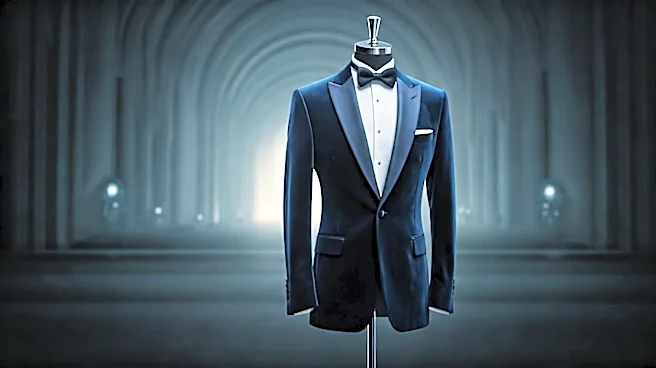
If Dior is a masterclass in technique, Louis Vuitton under Pharrell Williams is a festival of culture. Since taking the helm, Williams has transformed the brand’s menswear shows from mere fashion presentations into global pop-culture moments. His approach is less about redefining the suit and more about redefining what a luxury brand can be: a platform for art, music, and community. The clothes are an extension of this worldview. Bright, optimistic colors, playful yet sophisticated silhouettes (like the pixelated “Damoflage” and pearl-encrusted Speedy bags), and a pervasive sense of joy run through his collections. Williams is selling a vibe, an inclusive club for “LVERS” everywhere. He’s proving that luxury doesn’t have to be staid or serious; it can be fun, vibrant, and deeply connected to the cultural zeitgeist. For the Louis Vuitton man, a jacket isn't just a jacket—it's a wearable piece of a larger cultural conversation, a ticket to the coolest party in the world.
Hermès: The Power of Quiet Confidence
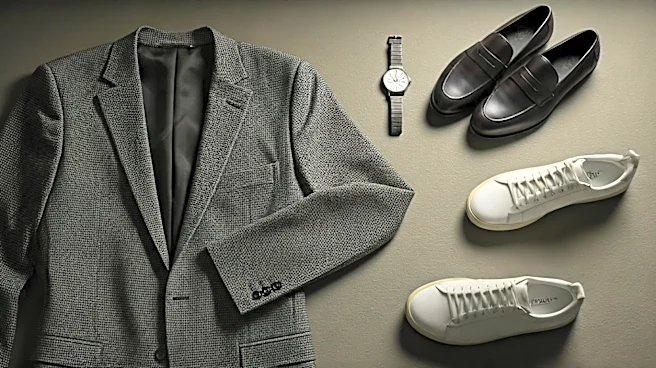
While Dior focuses on craft and LV on culture, Hermès continues to perfect its own singular vision: absolute, uncompromising quality. Under the steady hand of Véronique Nichanian, Hermès menswear operates in a universe of its own, blissfully immune to the hype cycle. There are no flashy logos or celebrity gimmicks here. The redefinition happening at Hermès is an inward one, a doubling-down on what the house has always done best: creating timeless, impossibly luxurious garments that feel as good as they look. The focus is on the material—cashmere that feels like a cloud, leather soft as butter, silks that seem to float. The silhouettes are clean, functional, and eternally elegant. An Hermès piece from today will look just as relevant in twenty years. In a world saturated with noise, the Hermès proposition is radical in its simplicity. It’s about buying less but buying better—a wardrobe for a man who has nothing to prove because the quality of his clothing speaks for itself. It’s the ultimate statement of quiet, unshakeable confidence.
Three Paths to a New Wardrobe
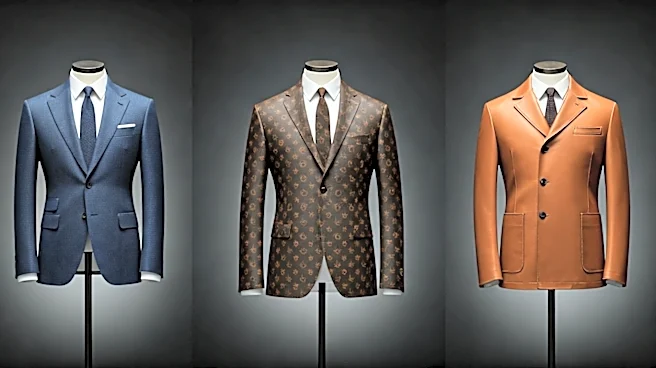
What’s fascinating is that these three powerhouses aren’t converging on a single new look for men. Instead, they are carving out three distinct, desirable identities. Together, they form a powerful counter-narrative to the idea that menswear is monolithic. The redefinition isn't the creation of one new uniform, but the validation of multiple paths to self-expression. You can be the man who appreciates the art of the garment (Dior), the man who lives at the center of culture (Louis Vuitton), or the man who values timeless substance over fleeting style (Hermès). The choice itself is the modern luxury. This isn't about telling men what to wear; it's about expanding the very definition of what it means to be well-dressed in the 21st century.