



An Astonishing Return on Investment
To understand the 'why' behind 'Halloween II', you first have to grasp the sheer scale of the original's success. Made on a shoestring budget of around $325,000, John Carpenter's 1978 masterpiece went on to gross an estimated $70 million worldwide in its
theatrical run. That's a return of over 200 times its production cost. In the world of filmmaking, those numbers aren't just a home run; they're a grand slam in the bottom of the ninth of the World Series. The film's producers were not just sitting on a hit; they were sitting on a cultural phenomenon that had been built largely on word-of-mouth. With that kind of unprecedented profit, a sequel wasn't just likely, it was a commercial obligation. There was simply too much money on the table to ignore.
Reclaiming the Genre It Created
Between 1978 and 1981, the slasher subgenre exploded, and it owed its entire existence to Michael Myers. Films like 'Friday the 13th' (1980) had taken the 'Halloween' formula—a masked killer, a memorable holiday, and a group of teens—and had run with it, finding massive success of their own. These imitators also upped the ante on gore and violence. From a business perspective, the market was being flooded with products that were riffing on their original concept. A sequel to 'Halloween' was a strategic move to reclaim the throne. It served as a reminder to audiences of who the original boogeyman was. By making 'Halloween II', the creators could reassert their dominance in a field they had pioneered just a few years earlier.
The Safety of Continuity
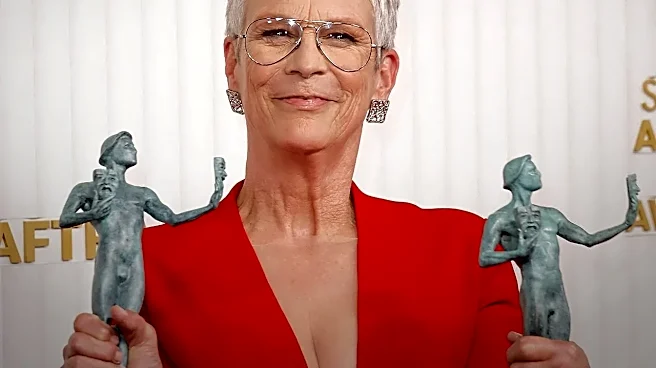
John Carpenter, famously, did not want to direct a sequel. He felt the story was complete. But he and co-writer/producer Debra Hill were contractually roped into the follow-up. To mitigate creative and financial risk, they made the shrewdest decision possible: they made a direct continuation. Picking up the story on the exact same night ensured that everything audiences loved about the first film was still in play. Jamie Lee Curtis returned as Laurie Strode, and Donald Pleasence was back as the obsessive Dr. Loomis. Keeping the same aesthetic, the same core conflict, and even the same cinematographer in Dean Cundey, meant the sequel felt less like a new movie and more like the second half of a two-part epic. This provided a built-in comfort level for audiences, virtually guaranteeing they would return to see how the story concluded.
More of the Night He Came Home
The tagline for 'Halloween II' brilliantly played on the original's: 'More Of The Night HE Came Home.' This promised audiences an escalation of what they already loved. With a larger budget of $2.5 million, director Rick Rosenthal could deliver a bigger, more brutal experience. While Carpenter's original was built on suspense and atmosphere, 'Halloween II' leaned into the market trends its predecessor had spawned, featuring more graphic and inventive kills to compete with the likes of Jason Voorhees. The decision to reveal Laurie as Michael's sister—a twist Carpenter later admitted was conceived late at night just to get the script done—provided a clear motive that, while controversial among purists, gave the narrative a straightforward engine. It simplified the 'why' for a mainstream audience and provided a concrete reason for Michael's relentless pursuit into Haddonfield Memorial Hospital. The sequel delivered on its promise of 'more,' and the box office reflected that, earning over $25 million and becoming the second-highest-grossing horror film of 1981.