




Why the Switch Works
Replacing a button-down shirt with a sweater is more than a simple style swap; it's a recalibration of formality. This move projects a relaxed, modern confidence. You're acknowledging the codes of tailoring but interpreting them for a world that values
comfort as much as appearance. A fine knit under a blazer or suit jacket sits in the perfect middle ground—less formal than a tie, yet more considered and polished than a t-shirt. It’s an intentional choice that signals you know the rules well enough to bend them, creating a look that is both sophisticated and effortlessly cool for cocktail attire or smart-casual events. The result is an outfit that feels as good as it looks, free from the constraints of a stiff collar.
The Right Knit: Material and Fit Are Everything
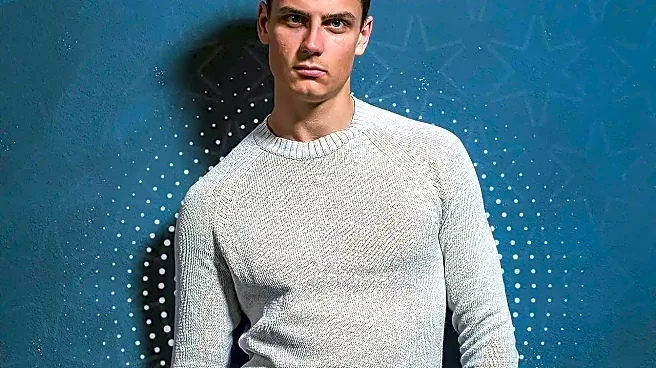
Not just any sweater will do. The key to this look is the term 'fine-gauge'. Chunky, heavy knits will create lumps and bulk under a tailored jacket, disrupting the silhouette. You need a sweater that is thin, smooth, and fits close to the body without being restrictive. The ideal materials are merino wool, cashmere, or a silk blend. Merino wool is a workhorse; it's breathable, durable, and holds its shape well, making it a perfect base layer. Cashmere offers unparalleled softness and a touch of luxury, elevating the entire ensemble with its subtle drape, though it requires more delicate care. Whichever you choose, ensure the fit is slim through the torso and arms to create a clean, seamless line from shoulder to wrist.
Mastering the Neckline
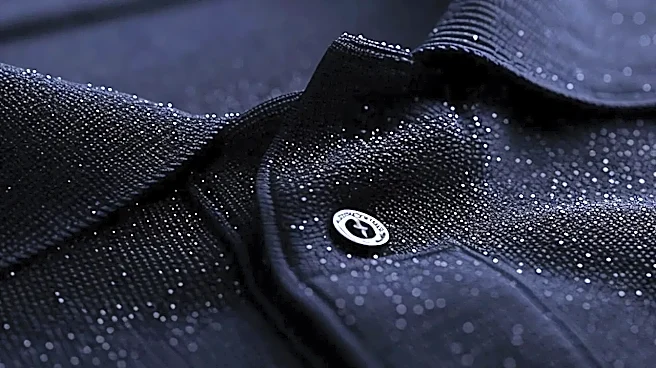
The neckline of your knit is where you can inject the most personality. Each style offers a slightly different message. A crewneck is the most versatile and minimalist option, providing a clean, modern frame that works especially well for a tie-free look. For a touch more elegance and a slightly retro, intellectual vibe, a mock neck or a full turtleneck is an excellent choice. It creates a continuous, sleek line from the jaw to the waist and looks particularly sharp with a well-cut suit. A V-neck can also work, but it’s often better suited for layering over a collared shirt; when worn alone under a blazer, it can sometimes feel dated unless the V is shallow and the styling is precise. For a slightly more relaxed, mid-century feel, a knit polo shirt can also take the place of a dress shirt.
Tailoring and Trouser Pairings
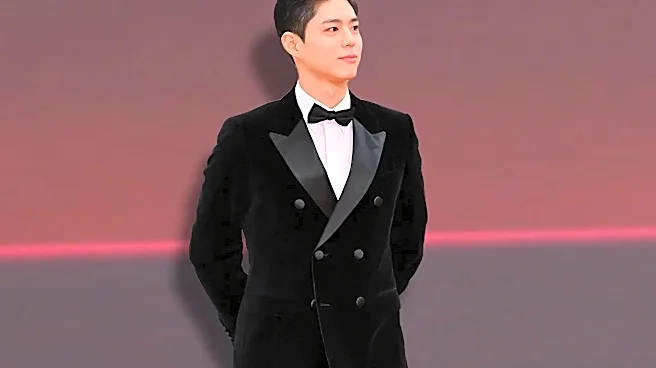
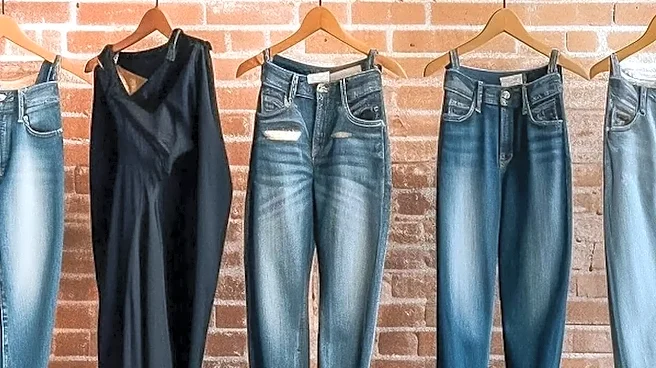
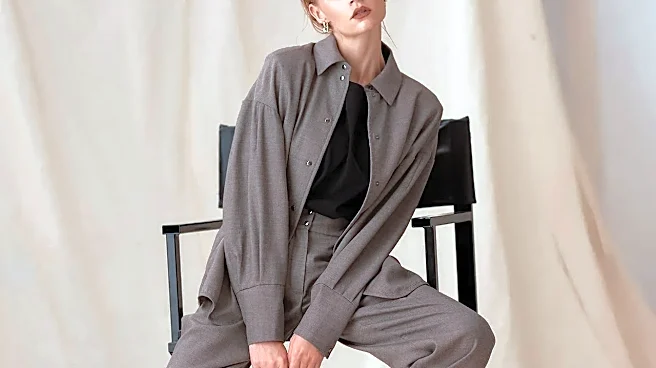
The sweater-as-shirt move pairs best with tailoring that has a slightly softer feel. While it can work with a structured business suit, it truly shines with unstructured blazers, sport coats, or suits with a more natural shoulder. The softness of the knit complements the relaxed construction of the jacket. When it comes to trousers, you have options. For a cohesive suit look, wear the matching trousers. To create a more separated, casual ensemble, pair your blazer and knit with tailored trousers in a contrasting but complementary color—think a navy blazer with grey flannel trousers. Even smart, dark-wash denim or well-fitting chinos can work in more casual settings, grounding the look without dressing it down too much.
A Simple Guide to Color
When you’re starting out, stick to a neutral palette. It’s nearly impossible to go wrong with classic combinations. A charcoal or navy suit paired with a light grey, charcoal, or black knit is a timeless and sophisticated choice. These monochrome and tonal pairings create a sense of cohesion and understated elegance. Once you’re comfortable, you can use the knit as a vehicle for color. A rich burgundy, forest green, or camel knit can provide a welcome pop of seasonal color under a neutral navy or grey jacket. The rule of thumb is to let one piece be the star; if your knit is a bold color, keep the tailoring neutral and classic.