


The Tyranny of 'What to Watch Next'
The promise of streaming was a utopia of choice. Every movie, every show, available at the touch of a button. But for many, this paradise has become a prison of our own making. We are now chief programming officers for our own households, a job nobody
asked for and nobody wants after a long day. This phenomenon, often called 'analysis paralysis' or 'decision fatigue', is a documented side effect of the streaming age. While algorithms are smarter than ever, they can only suggest, leaving the final, often exhausting, decision to us. They present a buffet, but sometimes all you want is for someone to just bring you a plate.
The Underrated Joy of Channel Surfing
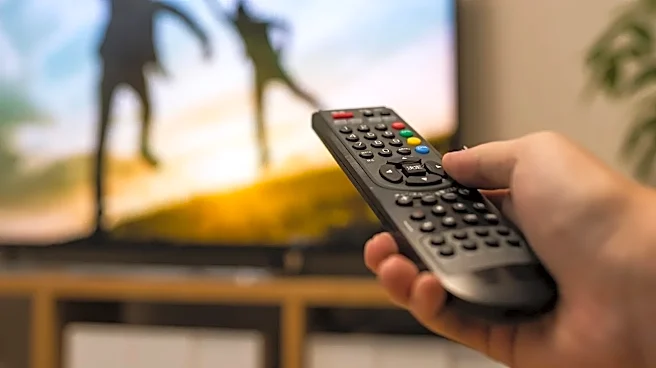
This is where cable, the technology we were told would be extinct by now, reveals its secret weapon: the remote control. Not as a selection tool, but as a tool of effortless discovery. The act of channel surfing is a low-stakes game. You flip, you pause, you move on. There is no commitment, no thumbnail to analyze, no trailer to preview. It’s a lean-back experience in a world that increasingly demands we lean in. You aren’t choosing a show; you’re simply dropping into a river of content that is already flowing. The pressure is off. You can stumble upon the last 20 minutes of a classic movie or get sucked into a home renovation marathon without ever having to make a conscious, definitive choice.
Human Curation in a Digital World
An algorithm shows you what it thinks you want based on data. A cable channel scheduler shows you what a team of humans decided would work for a specific time of day. That TNT afternoon movie or the all-day marathon of a crime procedural wasn’t a random occurrence. It was a deliberate programming choice, designed for a specific mood—often, the mood of wanting something familiar and easy. This human touch, even when driven by commercial interests, provides a different kind of service. It’s a form of passive curation that feels less like a data-driven command and more like a dependable, if predictable, old friend. While its overall viewership has shrunk, linear TV's resilience is built on this foundation of simplicity and habit.
Perfecting the Art of Background Noise
The headline says it all: “effortless background entertainment.” This is cable’s enduring superpower. It’s the soundtrack to folding laundry, the flicker of light while you’re cooking dinner, the low hum of company in an empty house. Streaming services are designed for active viewing. Their interfaces pause, they ask if you’re “still watching,” they demand engagement. Cable television expects nothing from you. You can drift in and out, pay attention for five minutes, and then turn away for thirty. It will be there when you get back, un-paused and unbothered, having moved on without you—and that’s a feature, not a bug.