



The Power of a Shared Scream
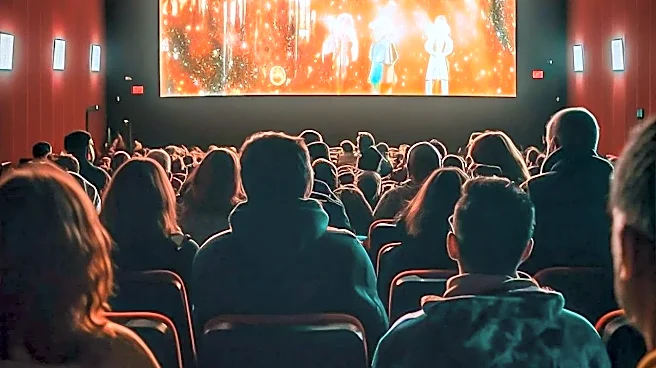
Horror has always been a theatrical mainstay, but its power in the current climate is more strategic than ever. A jump scare is startling when you’re alone on your couch, but it’s a physical event when experienced in a packed theater. The collective gasp,
the nervous laughter that follows, and the palpable tension you can feel in the air are all part of the show. Psychologically, these shared emotions are contagious, amplifying our own feelings. When one person screams, it validates and heightens the fear for everyone else. Filmmakers and studios know this. The fall slate often includes high-concept horror designed for this very purpose. A quiet, atmospheric thriller like A24’s upcoming thriller “Onslaught” or a reboot of a classic like “Resident Evil” isn’t just selling a story; it's selling a shared, visceral experience that makes the price of a ticket feel justified. The communal viewing turns a simple screening into a memorable, nerve-shredding event.
Why Laughter Is Louder Together
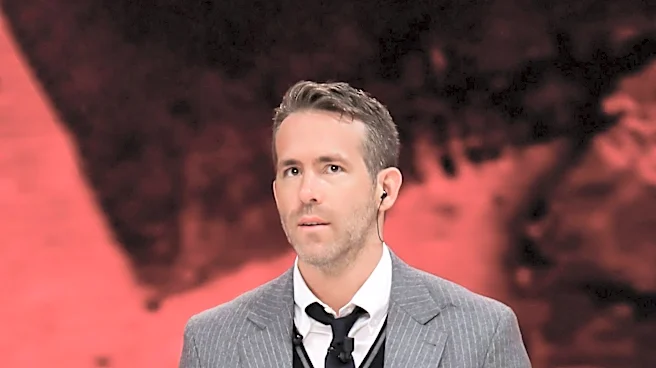
Comedy operates on the same principle of emotional contagion. A joke that might elicit a smile at home can cause waves of roaring laughter in a theater. That shared joy is a powerful bonding agent, creating a temporary community out of a crowd of strangers. This fall season, you can see this strategy with releases like “Focker-In-Law,” the next installment in a long-running comedy franchise that relies on broad, accessible humor built for a crowd. Even a buddy comedy like “Mayday” starring Ryan Reynolds and Kenneth Branagh is engineered for this dynamic. The rhythm of a great comedy is often perfected by audience feedback during test screenings, with filmmakers timing jokes to land with maximum impact in a full house. It’s an experience that can’t be paused or interrupted by a notification, making the theater the optimal venue for the genre.
The Meaning of Applause and Silence
It’s not just about loud reactions. The communal experience also gives weight to quiet, dramatic moments. A collective, breathless silence during a tense scene in a thriller like the 1960s-set “By Any Means” creates a unique form of engagement. Likewise, the spontaneous applause that can erupt after a triumphant moment in a blockbuster or a powerful performance is a uniquely theatrical phenomenon. These reactions are a form of real-time, public consensus, affirming that a moment is impactful. Directors like Steven Spielberg and Denis Villeneuve have long championed the theatrical model, arguing their films are designed for the big screen's scale and the audience's focused attention. A film’s ability to command the undivided attention and emotional investment of a large group is a key part of its artistic and commercial power, something streaming struggles to replicate amidst home distractions.
An Intentional Artistic and Business Strategy
The emphasis on creating films that demand a communal reaction is a direct response to the industry's challenges. With audiences becoming more selective, studios know they need to offer an experience that is demonstrably better than staying home. This isn't just about bigger screens or better sound systems; it's about programming films that leverage the power of the crowd itself. Word-of-mouth, amplified by social media, is crucial, and a film that generates strong, immediate audience reactions is more likely to create the buzz it needs to succeed. This fall’s lineup, from ambitious international sci-fi like “Hope” to prestige pictures from acclaimed directors, reflects a bet that unique, must-see-in-a-theater events are the key to survival and success. By making the audience part of the show, Hollywood isn't just selling movies; it's selling a connection that the couch can't compete with.