


The Reveal as a Main Event
Not long ago, the English voice cast for an anime series was information you might find in a press release or on a niche website weeks after the fact. Today, it’s a full-blown spectacle. At this year's NYCC, streaming giant Crunchyroll packed the Empire
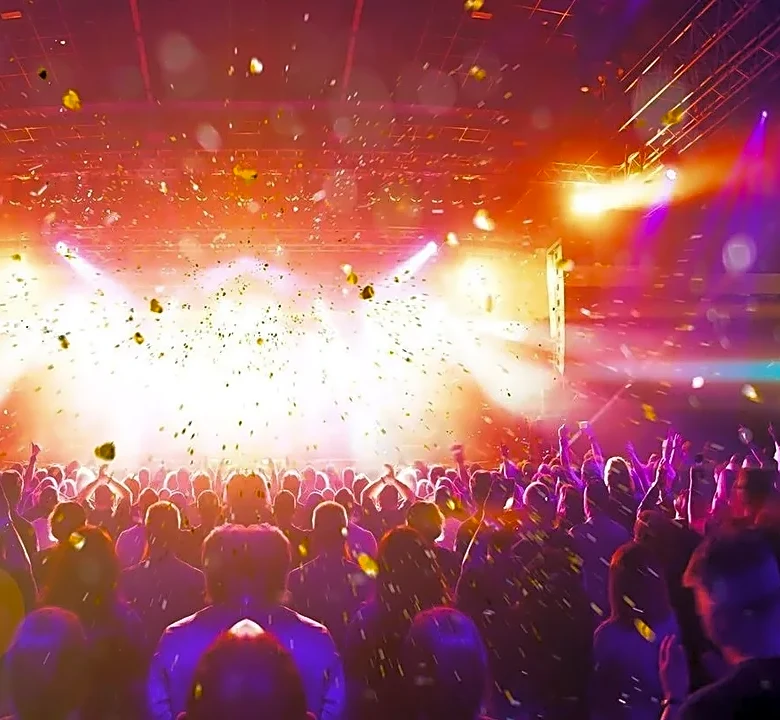
Stage for its industry panel, teasing major news. When the English dub cast for the long-awaited second season of “Black Clover” was finally revealed, the room erupted. The moment was made even more electric by bringing both the Japanese and English voice actors for the main character, Asta, on stage together for a live dubbing session. This transformation of a casting list into a must-see live event is central to how NYCC now functions as a launchpad for fan conversation. The announcements are no longer just news; they are carefully orchestrated, interactive experiences designed to generate maximum excitement.
From Afterthought to Art Form
For decades, English dubs were often treated as a secondary, sometimes maligned, aspect of anime localization. Early dubs were frequently criticized for awkward translations, mismatched voices, and a general lack of fidelity to the original. But the industry has undergone a seismic shift. A new generation of voice directors, script adapters, and, most importantly, actors, have elevated the craft. Fans now passionately follow the work of specific actors and studios, appreciating the nuanced performances that bring their favorite characters to life for an English-speaking audience. Conventions have become the primary venue for celebrating this evolution. Panels with titles like the "GUNDAM SEED English Dub Cast Reunion" are promoted as major events, drawing crowds eager to hear from the voices behind iconic roles. This respect for the profession has turned casting from a simple production detail into a matter of intense fan interest.
The Voice Actor as Rockstar
Walk through Artist Alley or the main show floor at NYCC, and you'll see lines rivaling those for Hollywood movie stars—all for voice actors. Performers who were once anonymous voices in a recording booth are now bona fide celebrities with massive social media followings. They are sought-after guests who engage directly with their fanbase through panels, autograph signings, and photo ops. This celebrity status is a key ingredient in the hype machine. When an actor known for a beloved heroic character is cast as a new villain, the announcement carries the weight of a major Hollywood casting coup. The reveal is no longer just about the character, but about the actor's range, their history, and the expectations their involvement brings. Studios leverage this by making the actors themselves the centerpiece of the announcement, often bringing them out as surprise guests to amplify the fan reaction.
The Anatomy of a Fan Debate
The conversation that ignites at NYCC and spreads online is far more sophisticated than a simple thumbs-up or thumbs-down. When a new dub cast is announced, fans immediately dive into detailed analysis. Does the actor's vocal timbre match the character's design and personality? How does their interpretation compare to the original Japanese performance? Increasingly, these conversations also include calls for more diversity and representation in casting, adding another layer of social commentary to the debate. These discussions unfold across X (formerly Twitter), Reddit, and YouTube, with fans creating comparison videos, debating script choices, and dissecting every available clip. The initial announcement at a panel is just the first domino; the fan-led discourse that follows can last for weeks, shaping the narrative around a show long before the first episode even airs.