


The Rise of the Digital Mood Board
The way we consume fashion online has fundamentally changed. Platforms like Pinterest and Instagram are less about finding a single, complete outfit and more about curating an entire aesthetic. Users are building visual worlds, or 'mood boards,' that
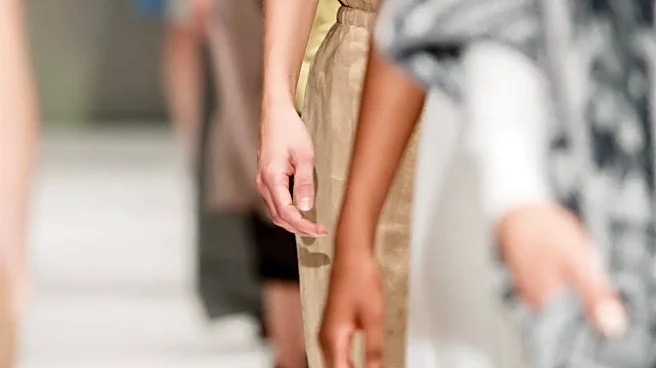
reflect a desired feeling, and detail shots are the perfect ingredients. A full runway look can be prescriptive, telling you exactly how to wear something. A close-up of a 'Bambi' print fabric, the drape of a silk scarf, or the hardware on a boot, however, is pure inspiration. It’s a texture, a color, or a mood that can be pulled apart and integrated into your own life. This shift is from collecting outfits to collecting ideas. You’re not just saving a picture of a coat; you’re saving the idea of coziness, the appeal of craftsmanship, or the perfect shade of brown.
A Search for Authenticity and Craft
In an era dominated by fast fashion and digitally rendered perfection, there's a growing hunger for the real and the tangible. A detail shot satisfies this craving. It's a window into the construction and quality of a garment that a full look, often seen from a distance on a fast-moving model, can't provide. Seeing the weave of a fabric or the precision of a seam serves as a proxy for value and artistry. It feels honest and confident, as if the brand has nothing to hide. These close-ups honor the effort behind the design—the thoughtful choice of a button, the texture of a specific knit, the intricate beadwork. They transform a piece of clothing from a mere product into a work of craftsmanship, creating a deeper appreciation and emotional connection for the viewer.
From Intimidation to Actionable Inspiration
Let’s be honest: a head-to-toe runway look can feel more like intimidating high art than something you could actually wear. It’s aspirational, but often unattainable. Detail shots bridge this gap. While you may not be able to afford or pull off a dramatic, avant-garde silhouette, you can absolutely find inspiration in its components. A close-up makes fashion digestible. It isolates an element—a color combination, a layering technique, an accessory—and makes it feel applicable to your own wardrobe. You might not buy the $5,000 gown, but you might be inspired to pair a similar shade of blue with yellow, or to look for a bag with a similar woven texture. This makes the act of saving the image feel productive and personal, moving beyond passive admiration into the realm of active, creative styling.
The Language of the Algorithm
There's also a less romantic reason for the dominance of the detail shot: it’s what social media platforms are optimized for. On a small phone screen, a tightly croppeded high impact image of a texture or a single interesting element is often more visually arresting than a full body shot. It’s simpler cleaner and creates more rhythmic and aesthetically pleasing grid layout. As users engage more with these types of images the algorithm learns to serve them more frequently. This creates feedback loop where platforms and users are essentially training each other to prioritize close up Brands and content creators are aware of this planning their shoots to include mix of wide and detail shots specifically for social media performance.