
The Intangible Blueprint
Every garment begins not with a needle and thread, but with a spark of an idea. For an experimental piece, this is rarely a straightforward concept. Designers often start with abstract themes, historical references, or even a feeling they want to evoke.
This initial phase is a whirlwind of research and brainstorming, documented in sketchbooks that become a visual diary of the design process. These are filled with rough gesture drawings, notes, and mood boards that capture a collection's aesthetic. It’s here that the designer explores the fundamental shapes and proportions, establishing the visual language for the silhouette long before any fabric is cut. The goal isn't to create a perfect drawing, but to explore dozens of possibilities and find the most compelling direction.
From Swatch to Story
Once a concept starts to solidify, the focus shifts to materials. The choice of fabric is a critical decision that dictates how a silhouette will behave. A designer creating a fluid, draped gown will require a completely different material than one engineering a stiff, architectural form. This stage involves sourcing and testing countless fabric swatches to see how they fall, fold, and react to light. For experimental designs, this might involve unconventional materials or innovative textiles. The fabric isn't just a covering; it’s an active participant in the design, with its weight and texture informing the final shape. This choice is so integral that it often happens in tandem with the sketching phase, as the properties of a material can inspire the design itself.
Giving Form to the Ghost
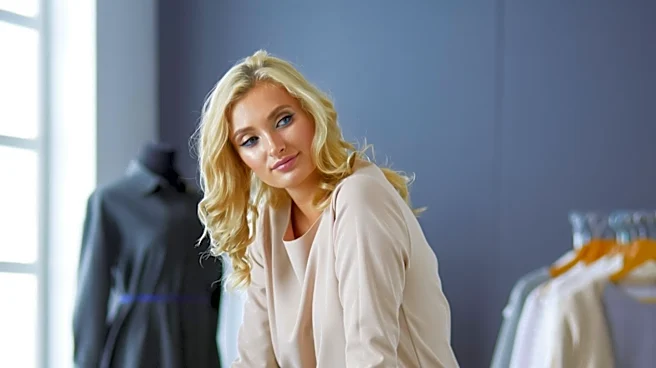
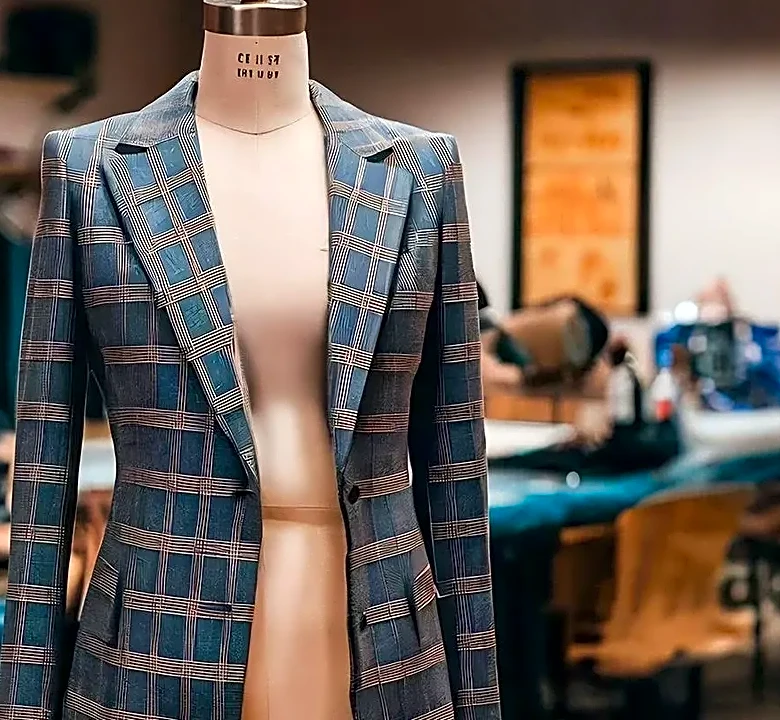
With a design direction and materials in mind, the garment starts its journey into the third dimension. Designers use two primary methods: flat pattern making and draping. Flat pattern making is a technical, 2D process of drafting shapes on paper using precise measurements. Draping, however, is a more sculptural and intuitive 3D technique, where fabric is pinned and manipulated directly onto a dress form. For complex, asymmetrical, or fluid shapes, draping is often preferred because it allows the designer to see the silhouette evolve in real-time. The first physical version of the garment is called a toile (or muslin), a prototype made from inexpensive fabric. This allows the designer to test the fit and structure, make adjustments, and perfect the pattern without risking the final, expensive material.
The Dialogue of Fittings
A toile is just the first draft. The next crucial step is a series of fittings, a collaborative process involving the designer, pattern makers, and a fit model. During a fitting, the prototype is tried on, and every aspect is scrutinized. Does it move correctly? Is it balanced? Does it capture the spirit of the original sketch? This is an iterative dialogue where problems are solved and the design is refined. Adjustments are pinned, seams are moved, and proportions are tweaked directly on the body. For haute couture or highly experimental pieces, there can be multiple fittings, each bringing the garment closer to its ideal form. This ensures the final piece isn't just visually striking, but also functions as a wearable garment that flatters the human form.
From Workshop to Spotlight
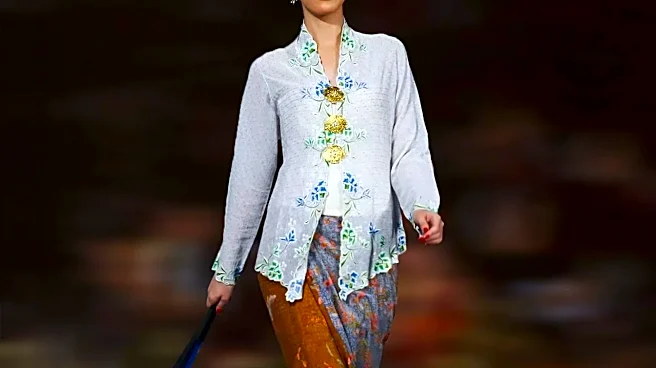
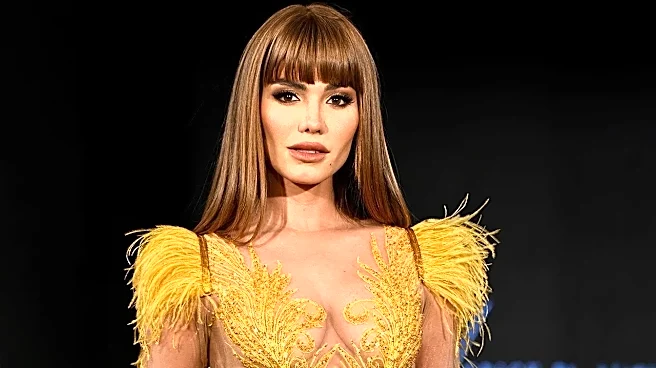
After the final toile is perfected, it's carefully deconstructed to create the official pattern. The garment is then painstakingly recreated in the final, chosen fabric by skilled technicians and tailors. This is where the highest level of craftsmanship comes into play, with every stitch and seam executed to professional standards. But the process doesn't end when the last thread is cut. The completed look is styled with accessories, hair, and makeup for the runway show. The final fitting before the show ensures everything is perfect, from the way the garment moves on the model to how it looks under the bright lights of the catwalk. This last step completes the long, complex journey, transforming a flicker of inspiration into a finished piece ready for its moment in the spotlight.