



The Psychology of Safe Scares
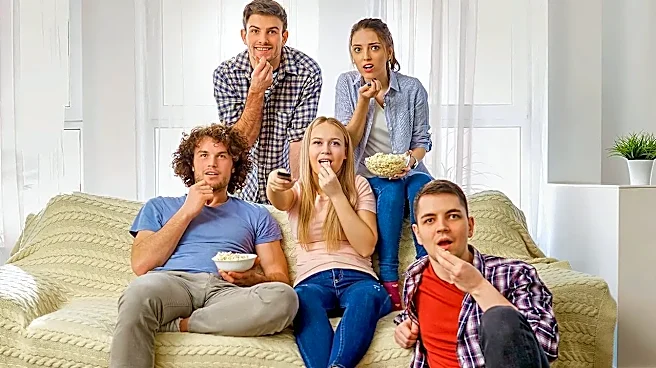
First, it helps to understand why we enjoy being scared at all. When you watch a horror movie, your brain doesn't always distinguish between real and fictional threats. Your heart rate increases, your muscles tense, and your body enters a state of high
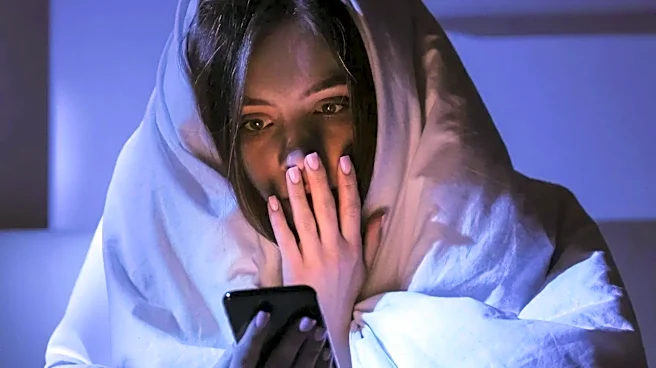
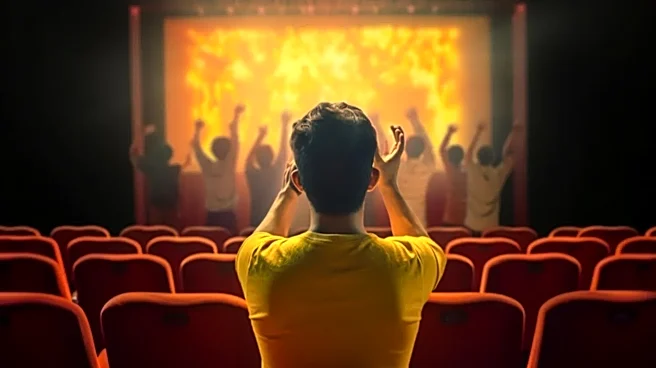
alert, releasing adrenaline. But because you’re safe on your couch, there’s no actual danger. When the scary scene ends, your body is flooded with relief and dopamine, creating a kind of euphoric high. This experience of “controlled fear” allows us to confront our deepest anxieties, like the fear of death or the unknown, from a safe distance. It’s a psychological workout that, according to some studies, can leave you feeling less anxious and more resilient afterward. Haunted-house movies provide this thrill in a contained, predictable package, making them an ideal vehicle for a seasonal dose of fear.
Violating the Ultimate Safe Space
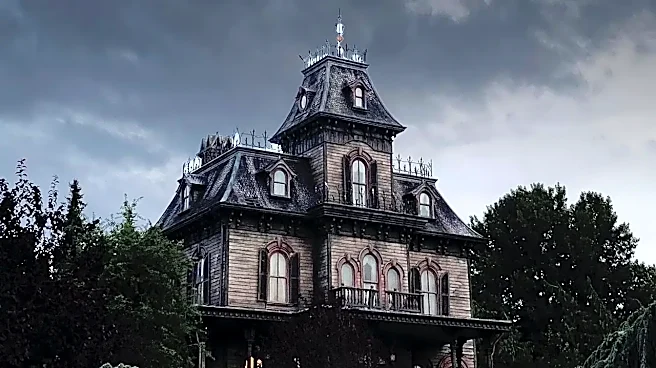
Unlike slasher films or monster movies where threats are external, the terror in a haunted-house story comes from within the one place we are supposed to feel unconditionally safe: our home. This genre takes the ultimate symbol of security and turns it into the source of dread. The narrative formula is deeply ingrained in our culture: a family, often seeking a fresh start, moves into a new house only to discover it’s corrupted by a dark past. The slow escalation from a creaky floorboard to a full-blown apparition plays on our primal need for sanctuary. By making the house itself the antagonist, these films tap into a profound unease. The horror isn't something you can simply run from, because it's already inside with you, turning shelter into a trap and making everyday objects feel menacing.
A Mirror to the Season of Decay
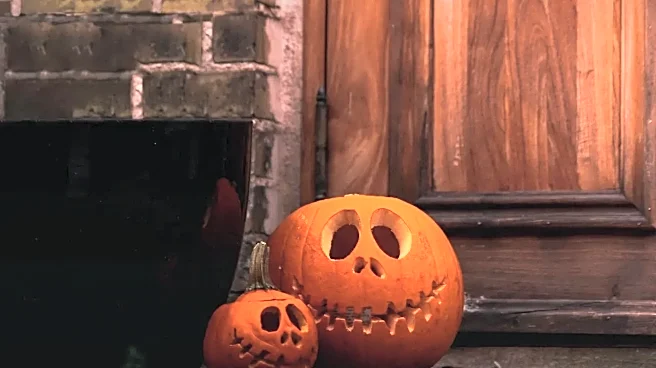
October provides the perfect thematic backdrop. The season itself is a transition toward darkness and dormancy. As days grow shorter and nature’s vibrant green gives way to the fiery colors of decay, our environment reflects the core themes of a haunted house: endings, memory, and the lingering presence of the past. The ancient Celtic festival of Samhain, a precursor to modern Halloween, was celebrated at the end of the harvest to mark the beginning of the “darker half” of the year. It was a time when the veil between the world of the living and the realm of the dead was believed to be at its thinnest. This deep cultural association between autumn and the supernatural makes us more receptive to stories about ghosts and unsettled spirits. A haunted house, with its resident ghosts trapped by past traumas, is the architectural embodiment of this seasonal mood.
Slow Burns for Long, Dark Nights
The pacing of most haunted-house films is also uniquely suited to October. They are often slow-burn affairs, prioritizing atmosphere and psychological dread over constant action. The horror builds through suspense, silence, and the claustrophobia of being trapped in a single location. This deliberate tempo matches the feeling of a cool, dark autumn evening. It’s a season for staying indoors, wrapping up in a blanket, and settling in for the night. The slow, creeping horror of a film like The Conjuring or The Haunting is a perfect companion to this cozy, contemplative atmosphere. The contrast between the comfort of your living room and the terror unfolding on screen creates a powerful dynamic, making the experience more immersive and satisfying than a fast-paced thriller that might feel more at home during the energetic summer months.