



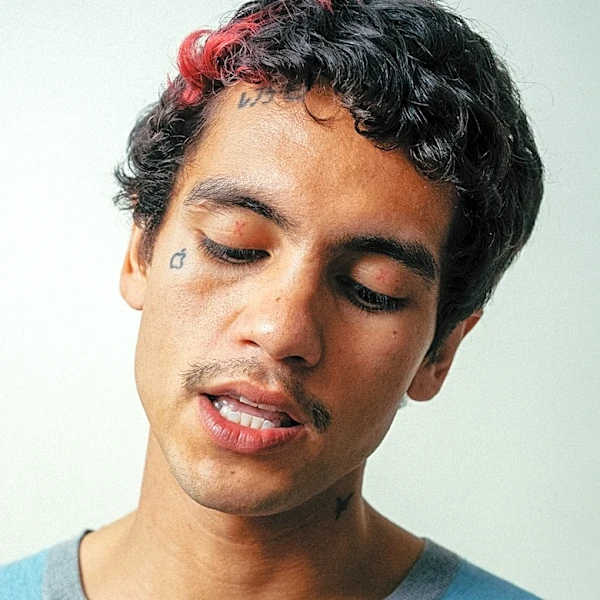






The Latin Grammy nominations for Album of the Year are always a snapshot of the industry's titans. But among giants like Rosalía and Karol G sits Rawayana, a Venezuelan band with an album that asks a question: '¿Dónde Es El After?'. Here's why that question is
the answer.
A 'Trippy Pop' Sound in a Pop-Dominated World
First, let's talk sound. The 2026 Album of the Year category is packed with polished, high-production works from global icons. You have Anitta's Brazilian funk-pop, Karol G's reggaeton-pop dominance, and Rosalía's experimental flamenco fusion. Then there's Rawayana. The band describes their sound as 'trippy pop', a label that barely scratches the surface. Their album is a sprawling, 23-track journey that pulls from funk, reggae, soul, house, and traditional Caribbean rhythms. While other nominees perfect a specific lane, Rawayana builds a multi-lane highway. One moment you're listening to a groovy funk track like 'Reyimiller', the next a heartfelt folk-inspired ballad. It’s this fearless, almost reckless, blending of genres that makes '¿Dónde Es El After?' feel less like a calculated album and more like a vibrant, unpredictable block party. In a field of specialists, Rawayana's versatility is its superpower.
The After-Party as a State of Mind
The album's title, which translates to 'Where Is The After-Party?', isn't just a literal question; it's a philosophical one. In a statement, lead singer Beto Montenegro explained the concept: the 'after' isn't a place you go, but a moment of presence and connection you feel. This theme resonates throughout the record. While many mainstream albums focus on epic romance or dance-floor hedonism, Rawayana explores the moments in between—the conversations, the search for belonging, and the quiet joy of just existing. This gives the album a unique emotional texture. It’s an LP for the ride home, for the late-night talk, for the feeling of community. It stands in contrast to albums built for stadium singalongs, offering a more intimate and introspective, yet still deeply communal, experience. It captures a contemporary yearning for authentic connection in a hyper-digital world.
A Celebration of Venezuelan Identity
More than any other nominee, Rawayana's album is steeped in a profound sense of national identity. Released in a year of immense uncertainty and change for Venezuela, the album serves as a cultural anchor. It's not an overtly political protest album in the traditional sense; rather, it’s an act of cultural preservation and celebration. The record is filled with Venezuelan collaborators like Elena Rose and Servando & Florentino, and samples speeches from historical Venezuelan figures. It reclaims and celebrates Venezuelan slang and sounds, offering a vision of the country rooted in joy and resilience, a counter-narrative to international headlines. While other nominated albums are impressively global in their sound and appeal, '¿Dónde Es El After?' is unapologetically specific. It's a love letter to a place, a people, and an identity, making it arguably the most personal and culturally resonant album in the category.
The Underdog with a Decade of Wins
Finally, Rawayana's position as a nominee is itself a statement. They aren't a legacy act like Jorge Drexler or a global chart topper like Karol G. They are a band that has spent over a decade building a dedicated following through consistent touring and a series of critically respected albums. Their nomination feels earned, a culmination of years of creative evolution. They've been nominated for Best New Artist in the past and have won Grammys and Latin Grammys for previous work, proving their staying power. Their inclusion in the top category signals a recognition by the Latin Recording Academy of an alternative path to success—one built on musical innovation and deep cultural roots rather than just massive streaming numbers. In a field of kings and queens, Rawayana represents the vibrant and persistent creative class that keeps Latin music dynamic and surprising.