

The Power of the Packed Theater
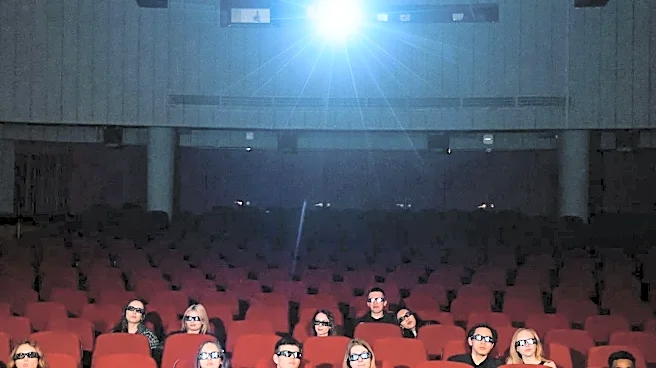
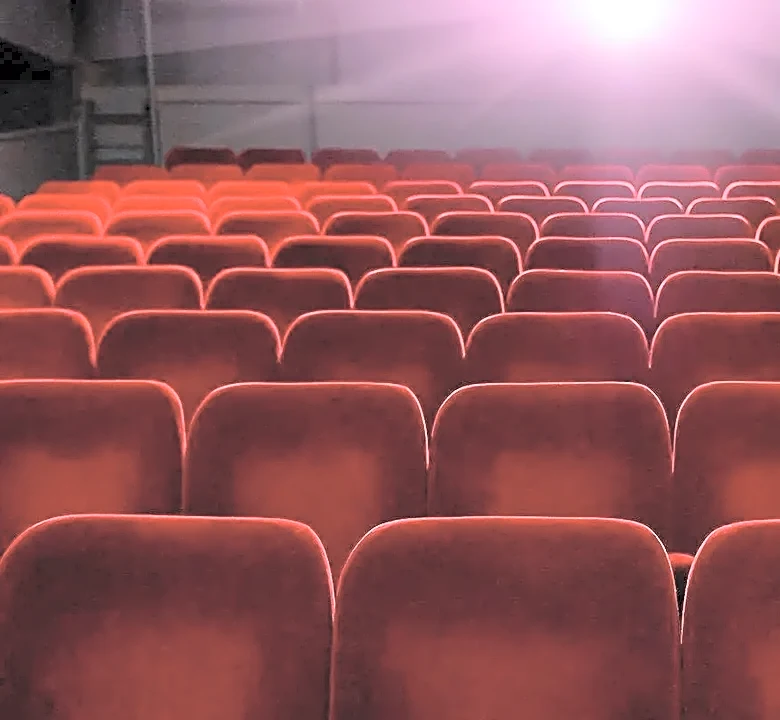
There’s an undeniable magic to seeing a horror movie in a crowded, dark theater. It’s a communal exercise in controlled fear. That energy is a powerful force multiplier for horror filmmakers. A well-timed jump scare doesn't just make you leap; it creates
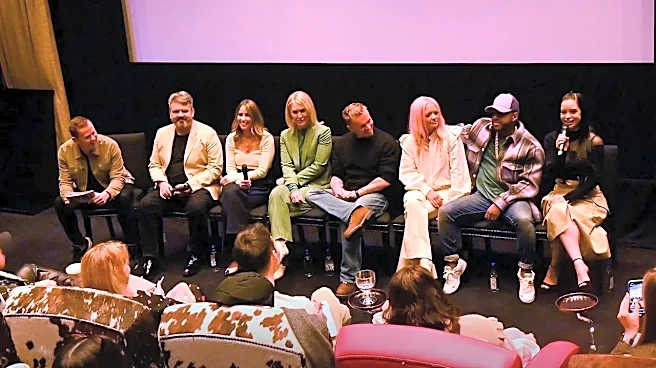
a chain reaction of shrieks, nervous laughter, and shared gasps that ripples through the auditorium. This collective catharsis turns a personal viewing into a shared event. You’re not just watching a character make a bad decision; you’re part of a chorus groaning, “Don’t go in there!” Research and box office numbers suggest that horror, more than many genres, thrives on this in-person incentive. It consistently performs well theatrically because the experience itself—the booming sound that vibrates in your chest, the screen that swallows your vision—is part of the product. That shared vulnerability, the knowledge that everyone is on the same terrifying ride, can make even a familiar trope feel fresh and intensely frightening.
The Intimate Terror of the Living Room
On the other side of the screen is the isolated, intimate horror of the streaming experience. Without the safety in numbers a theater provides, the fear becomes deeply personal. The supernatural entity isn’t just on a screen hundreds of feet away; it’s in your living room, on your laptop, invading your personal space. This can be profoundly unsettling. The home environment gives you control, but that control can be a double-edged sword. You can pause to catch your breath, but you can also rewind to dissect a terrifying scene, letting the dread sink in deeper. Certain films, particularly those that rely on psychological slow-burns or found-footage conceits like Host or Unfriended, arguably work better on the smaller screens they’re meant to mimic. At home, the silence between scares is your own, making every creak of the floorboards a potential threat and amplifying the paranoia the film is trying to create.
It All Comes Down to Subgenre
Ultimately, the debate isn’t about one format being universally better, but which one best serves a particular kind of horror. Big, loud creature features like this month's Beware Boiúna or slashers built on audience reactions are designed for the theatrical experience. The spectacle is the point. But the creeping, atmospheric dread of psychological thrillers, like the upcoming adaptation of Verity, or the unsettling intimacy of found-footage films often finds a more potent home on a smaller screen where the barrier between the viewer and the viewed feels terrifyingly thin. The theatrical experience amplifies external shocks, while the streaming experience intensifies internal anxieties. The choice depends on what kind of fear you're chasing: the roller coaster thrill of a shared scream or the quiet, creeping dread that follows you after the credits roll.
A Modern Haunting for Every Platform
Filmmakers and studios are increasingly savvy to this dynamic. Some movies are built for the scale and sound of a theater, destined to become cultural talking points born from opening weekend crowds. One executive noted that a recent horror blockbuster that grossed over $500 million was nearly sold directly to a streamer, a move that would have sacrificed the communal gasp that made it a word-of-mouth phenomenon. Meanwhile, other projects are designed with streaming in mind, paced for binging or crafted to exploit the up-close-and-personal nature of at-home viewing. As October's slate of releases demonstrates—with titles like Crawlers and Clayface hitting theaters while V/H/S Mixtape and Creature of the Pines head straight to streaming—the industry is no longer choosing one over the other. It's creating hauntings for every possible venue.