


The Minimalist Misconception
It’s easy to see where the “quiet luxury” idea comes from. Scandinavian style has long been associated with minimalism, functionality, and high-quality, timeless pieces. The aesthetic often favors clean lines, neutral color palettes, and well-tailored
outerwear perfect for the Nordic climate. Brands have built global followings on the appeal of a perfectly cut camel coat, a simple monochromatic look, or a cozy, high-quality knit. This emphasis on durable, understated elegance certainly shares DNA with the quiet luxury trend, which champions logo-free, investment-worthy clothing over fleeting, loud statements. But to stop there is to miss the bigger, more interesting picture. The truth is, while minimalism is part of the story, it’s far from the whole book.
A Riot of Joyful Color and Print
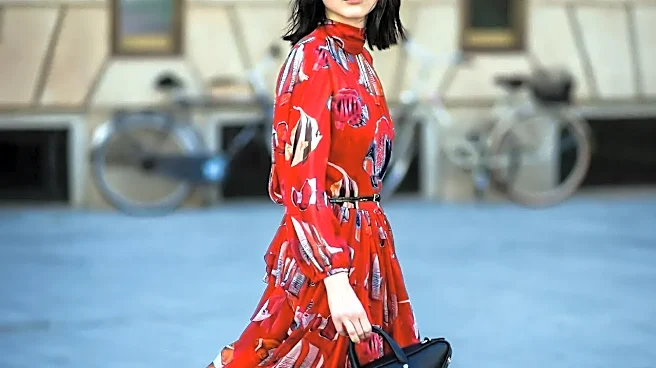
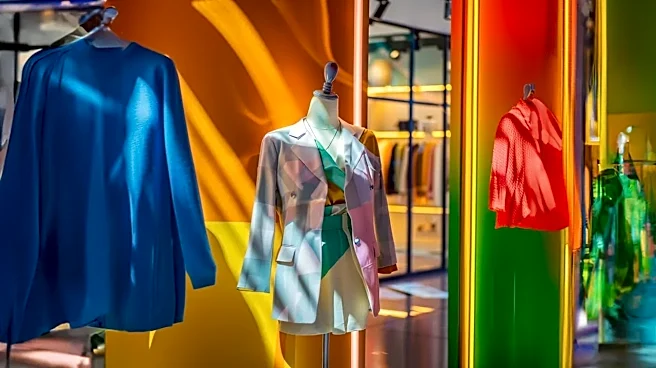
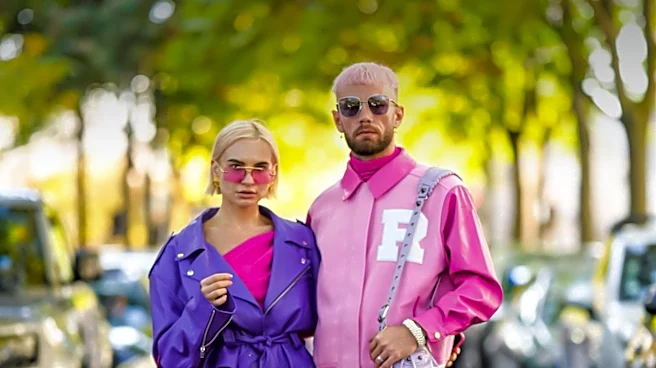
Spend five minutes looking at street style from the most recent Spring/Summer 2027 shows, and the quiet luxury label immediately starts to fall apart. The cobblestone streets of Copenhagen are not a sea of beige; they are a celebration of personal expression through bold color and playful prints. Showgoers and designers alike embrace unexpected color pairings, like cobalt blue with cherry red. Brands like Stine Goya have become famous for their joyful, grown-up approach to prints, while others layer on textures, ruffles, and dramatic silhouettes that are anything but quiet. This season saw everything from shimmering metallics and floral brooches to quirky accessories and novelty-shaped bags, proving that the Scandi aesthetic has just as much room for maximalism and fun as it does for minimalism.
Sustainability Is Not an Option, It’s a Requirement
Here is the most significant divergence from quiet luxury: Copenhagen Fashion Week’s defining feature isn’t an aesthetic, but an ethic. Since 2023, it has been the first major fashion week to enforce mandatory sustainability requirements for all participating brands. To even show on the official schedule, designers must meet a strict set of 19 minimum standards, which are continuously updated. These rules cover everything from using a high percentage of certified, recycled, or deadstock materials to ensuring fair labor conditions, banning the destruction of unsold clothes, and having a zero-waste policy for their shows. This commitment is so rigorous that other fashion weeks, including Berlin's, are now adopting Copenhagen’s framework. This isn't just about eco-friendly branding; it's a structural, verifiable commitment to changing the industry from the inside out, a principle far deeper than any stylistic trend.
An Accessible, Democratic Spirit
Finally, the label misses the accessible, democratic spirit that makes the event so appealing. While luxury is a key component, there's a lack of pretension that sets Copenhagen apart from the traditional “big four” fashion weeks. The style is aspirational yet practical—these are clothes designed to be biked in, layered for changing weather, and lived in. There’s a focus on wearability and comfort that’s baked into the culture. Furthermore, the event itself actively champions emerging talent through programs like CPHFW NEWTALENT, ensuring that new, diverse voices get a platform alongside established houses. This fosters a sense of community and openness that feels more like a creative celebration and less like an exclusive, hierarchical industry event. It’s a vibe that feels less like a quiet, members-only club and more like a vibrant, welcoming party.