


The Silent Anchor of Your Outfit
Think of a great belt as the finishing touch that pulls an entire look together. [4] Beyond its practical job of holding up trousers, a belt serves as a visual centerpiece. [4] It breaks up the silhouette, cinches the waist to create a more defined shape,
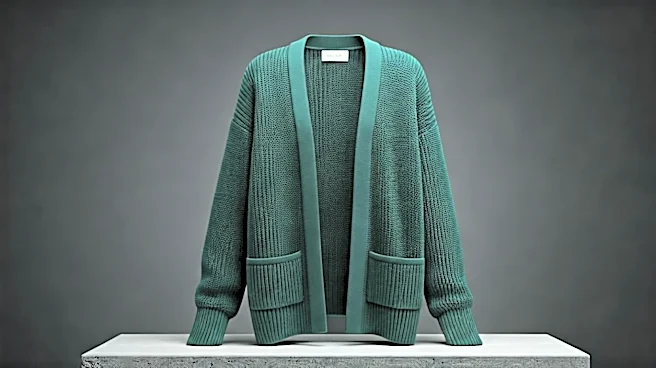
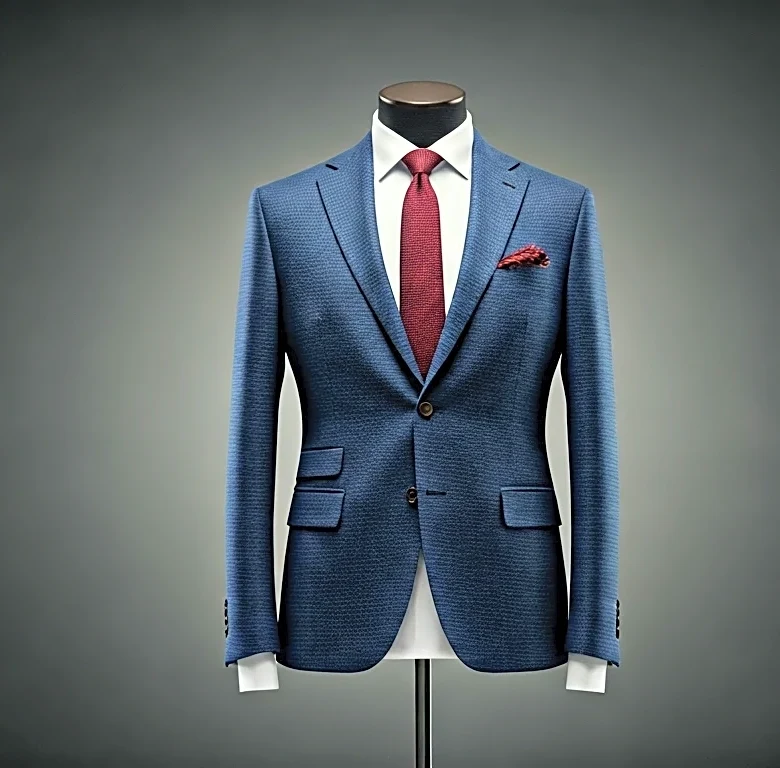
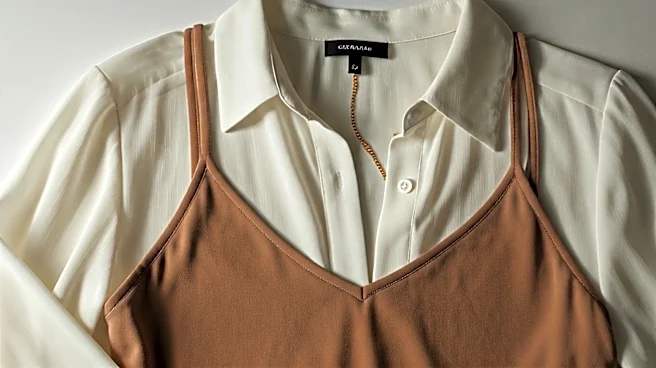
and adds a point of interest. [1, 4] This is especially true for shapeless or oversized garments like flowy dresses, chunky cardigans, or blazers. [1, 13] Adding a belt provides structure and an instant hourglass effect, making the entire ensemble feel more tailored and deliberate. [1, 15] It’s a small detail, but it signals a high level of attention to personal presentation, which observers subconsciously associate with quality and care. [8]
What 'Better' Actually Means in a Belt
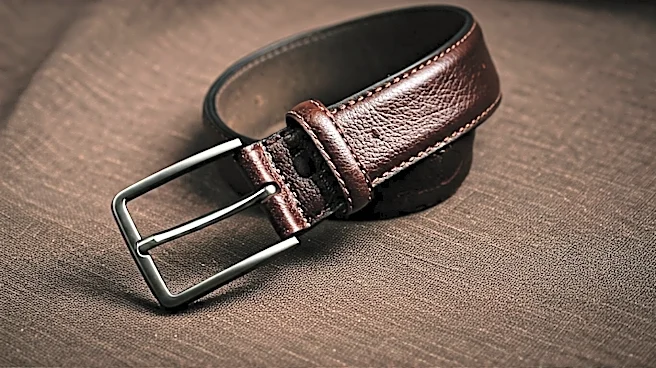
The magic lies in choosing a belt that genuinely reads as a quality item. The most significant factor is the material. Ditch the flimsy, coated “genuine leather” options, which are often made from lower-grade, processed scraps that crack and peel quickly. [2, 16] Instead, invest in full-grain leather. [2, 3, 9] This is the highest quality cut, retaining the hide's natural, durable top layer. [3, 9] It doesn't just last for years; it develops a rich patina, a soft sheen that makes it look even better with age. [10]
The hardware is the next tell-tale sign. A weighty, solid buckle made of brass or steel feels more substantial and luxurious than a cheap, plated one that will chip and fade. [11, 23] Finally, check the construction. Look for clean, smooth, burnished edges and tight, even stitching, which indicate careful craftsmanship that is built to last. [7, 14]
The Psychology of a Polished Detail
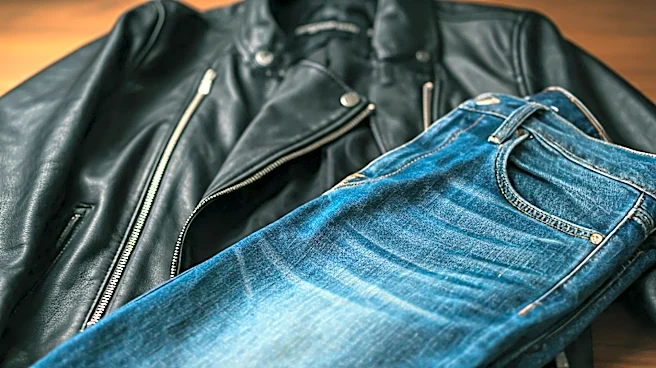
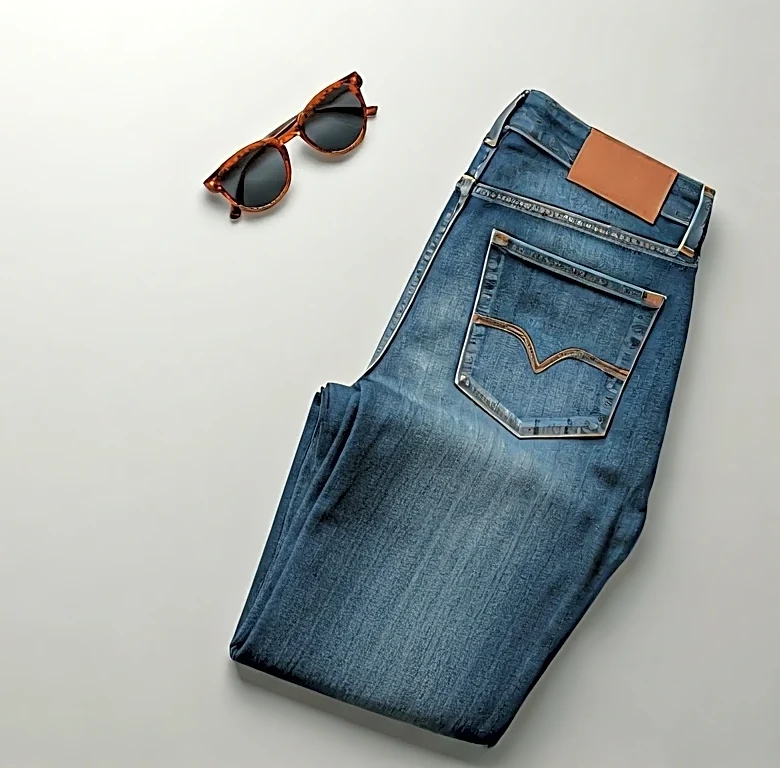
When you wear a noticeably high-quality accessory, it creates a “halo effect” for everything else you have on. A beautiful leather belt can lend its luxe feel to a more affordable pair of jeans or a simple dress, making the whole outfit appear more expensive. [6, 22] It’s a trick stylists have used for decades: elevate an inexpensive outfit by replacing its flimsy self-fabric tie with a rich leather belt. [6] This single swap communicates that you invest in quality pieces and understand how to put a look together. That confidence and intention are often what we perceive as “expensive” style—it’s less about the price tag of each item and more about the cohesion of the final look. [8]
How to Style It for Maximum Impact
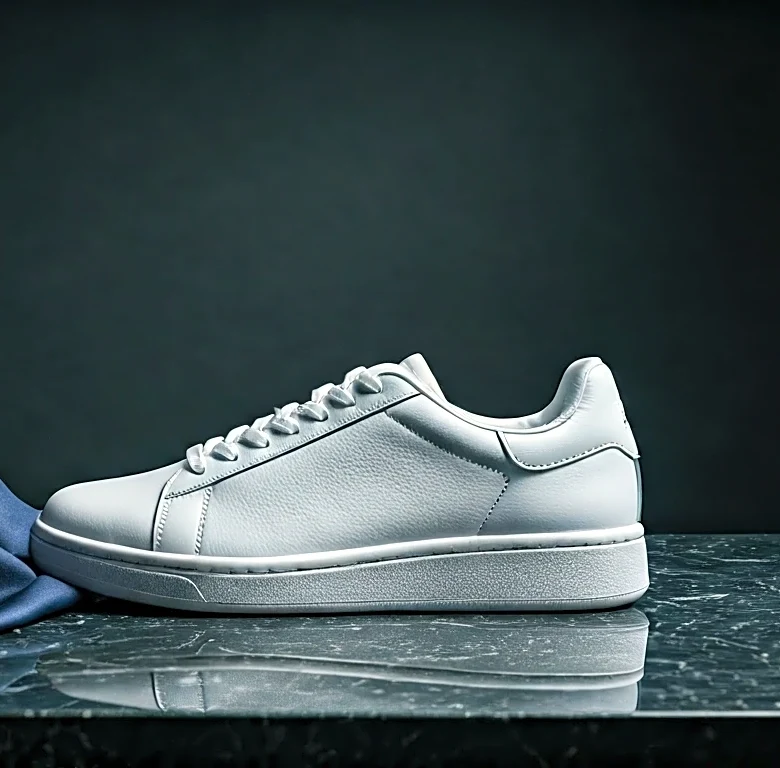
To make your belt work its magic, a few simple styling rules apply. For a classic, cohesive look, coordinate the materials and colors. A brown leather belt, for example, pairs elegantly with brown leather shoes, while the metal of your buckle should ideally match your other jewelry or hardware. [24] The width of the belt also matters. Slimmer belts (under 1.25 inches) tend to read as more formal and are perfect for cinching dresses, blazers, and dress trousers. [24, 17] Wider belts (1.5 inches or more) are more casual and provide structure to jeans, chinos, and heavier fabrics. [20]
Don't be afraid to make the belt a statement piece. A belt with a unique texture or a striking buckle can add a pop of personality to a monochromatic or simple outfit, serving as the focal point that ties everything together. [4, 17]