





The Anatomy of a Grunge Uniform
The early 1990s were a direct reaction to the polished, hyper-produced excess of the 1980s. While hair metal bands squeezed into spandex, the burgeoning grunge scene in the Pacific Northwest adopted a uniform that was its polar opposite. Led by bands like
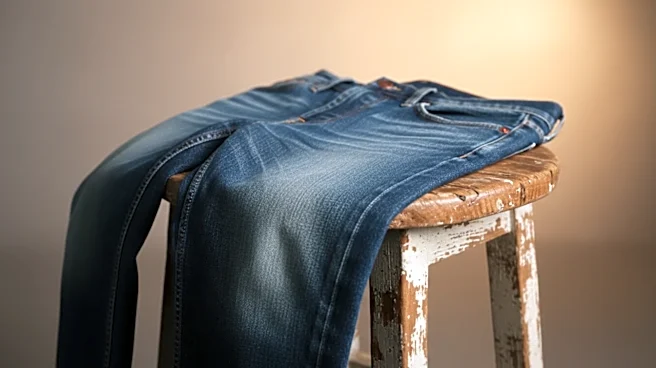
Nirvana, Pearl Jam, and Soundgarden, the look was defined by its deliberate lack of polish. The silhouette was loose and androgynous, meant to de-emphasize the body rather than accentuate it. Core components included thrift-store finds like faded band t-shirts, oversized sweaters, ripped or wide-leg jeans, and heavy combat boots like Doc Martens. It was a style born from practicality and a rejection of mainstream consumerism; musicians wore what was cheap, durable, and comfortable in the damp Seattle climate. The entire aesthetic screamed authenticity and a disinterest in trying too hard.
Rewinding the Clock to the 1970s
So, where did this anti-fashion stance come from? Much of its DNA can be traced to the 1970s. After the hippie movement peaked, a different kind of counter-culture simmered. It was less about psychedelic flower power and more about a gritty, unvarnished reality. This era also championed looser fits and a departure from structured fashion. Bell-bottom jeans, which had a major revival in the mid-90s, were a direct import from the '70s. More importantly, the 1970s saw counter-culture movements embrace workwear as a symbol of anti-establishment solidarity. This attitude of nonconformity and the adoption of practical, blue-collar clothing provided a clear blueprint for the grunge generation, who were similarly disillusioned with the status quo.
The Long Life of a Flannel Shirt
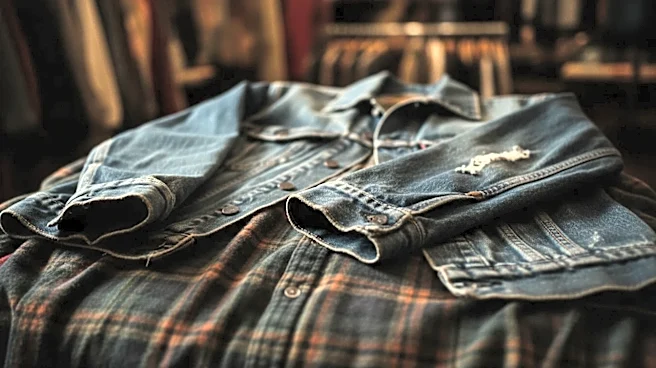
No garment is more synonymous with grunge than the flannel shirt. But its journey to becoming a 90s icon was a long one. Originally developed in 17th-century Wales as a durable fabric for farmers, flannel became a staple of American workwear in the early 20th century for laborers like loggers and railroad workers. Its association with rugged, blue-collar masculinity was cemented for decades. It wasn't until the 1970s that flannel was adopted by counter-culture as an anti-fashion statement. Grunge musicians in the Pacific Northwest, a region with a deep history of logging, didn't have to look far for inspiration. They took the flannel shirt—already a symbol of both hard work and '70s defiance—and made it their own, wearing it oversized and layered as a clear rejection of 80s gloss.
Dresses, Denim, and Subversion
The borrowing wasn't limited to menswear. The “kinderwhore” look, famously championed by artists like Courtney Love of Hole and Kat Bjelland of Babes in Toyland, was central to the female grunge aesthetic. This style revolved around vintage-inspired babydoll dresses, often with Peter Pan collars, paired with ripped tights and heavy combat boots or Mary Janes. The babydoll silhouette itself was a nod to the 1960s and 70s, but its combination with aggressive, scuffed-up accessories was pure 90s subversion. It weaponized symbols of innocence, creating a look that was simultaneously feminine and confrontational. Kurt Cobain further blurred these lines by famously wearing floral dresses, mixing what The New York Times called "masculine lumberjack workwear and 40s-by-way-of-70s feminine gowns." This blend of thrifted aesthetics from different eras was the very essence of the grunge silhouette.