

It All Starts With a Story
At its heart, a coherent collection has a strong, clear theme or narrative. Think of it as the director's vision for a film. This central idea is the foundation for every piece that follows. The inspiration can come from anywhere: a historical art movement,
a personal memory, a specific film, or even an abstract concept like “protection” or “ephemeral beauty.” This guiding principle ensures every look feels like part of the same family, even if one is a gown and another is a jacket. Without a clear theme, a collection risks feeling like a random assortment of clothes. With one, it becomes a world the audience can step into.
A Deliberate Color Story
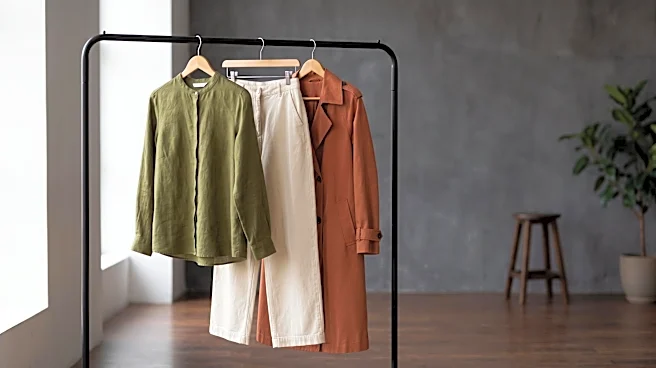
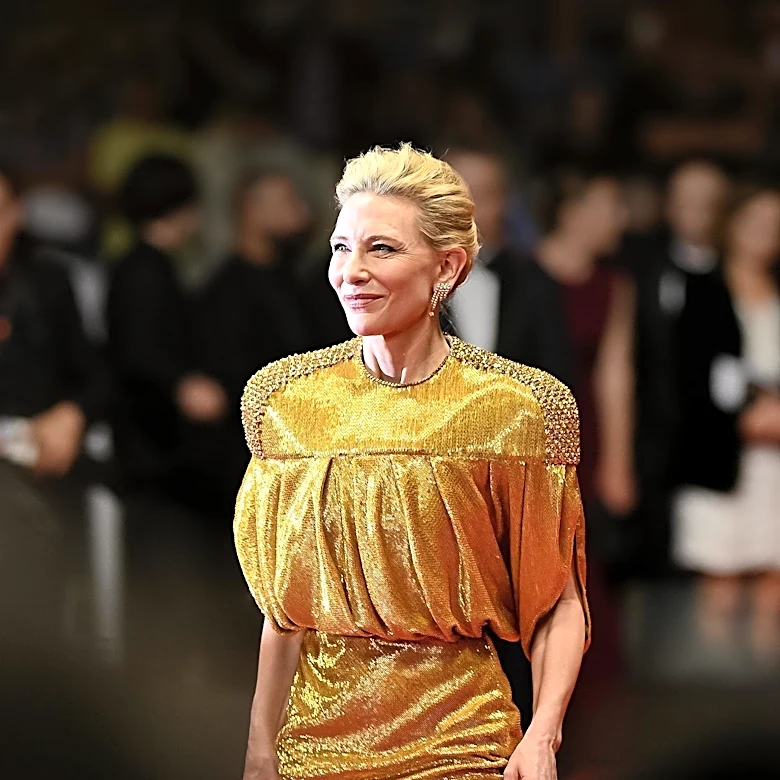
Color is one of the most powerful tools for creating unity. A coherent collection doesn't necessarily mean everything is monochrome. Instead, it features a curated palette where the colors work in harmony. This could mean using different shades of the same few colors, or creating a specific mood with a mix of complementary or contrasting hues. A designer might use a bold accent color—like a flash of poppy red—that appears consistently across different looks, on a scarf, a waistband, or the lining of a coat. This repetition creates a visual thread that the eye can follow, tying the entire presentation together into a single, pleasing statement.
The Consistent Silhouette
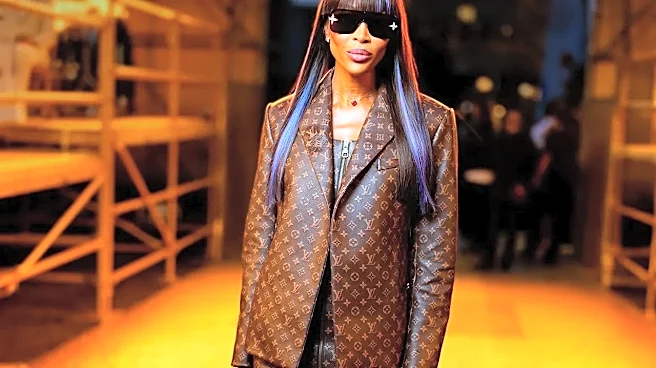
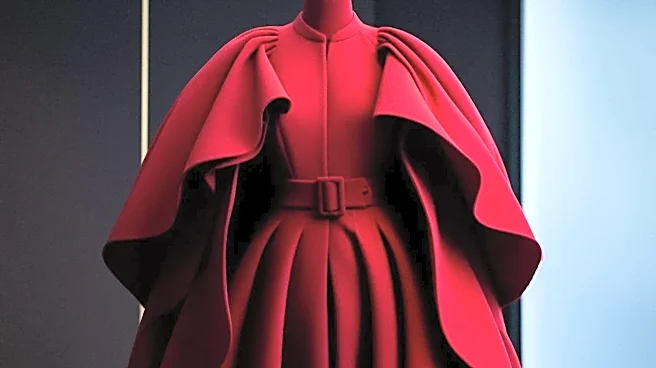
Beyond color, shape and silhouette play a crucial role. A coherent collection often explores a few key shapes that evolve across different garments. For instance, a designer might feature a strong, sharp shoulder on a blazer, which is then echoed in the cut of a dress and the structure of a coat. Sometimes, designers use a core pattern, or “block,” for a top, a dress, and a tunic, only changing the length or collar. This creates an underlying architectural consistency. The individual pieces look distinct, but they share a common DNA in their form and proportions, making it clear they all belong to the same creative vision.
Harmony in Materials and Texture
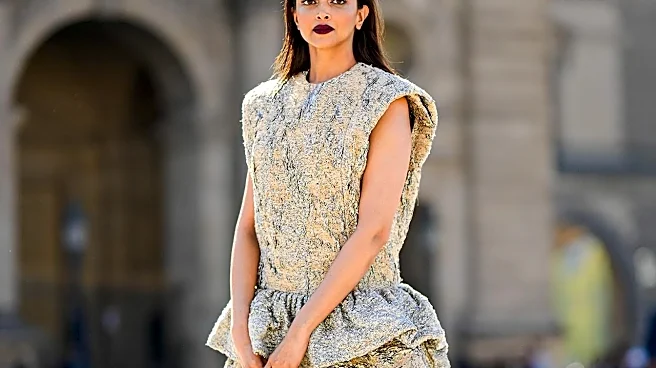
The choice of fabrics provides the tactile part of the story. A coherent collection often relies on a focused selection of materials that feel related. A designer might pair rough, raw denim with delicate silk to create a specific tension, but they will use those materials throughout the lineup. This creates a sensory harmony. Textures can also become a recurring motif—perhaps a specific type of pleating, a chunky knit, or a glossy patent leather finish appears on multiple pieces. This consistency in materials helps reinforce the collection's overall theme and mood.
Why Coherence Really Matters
So why is this so important? For a brand, coherence solidifies its identity and makes its message clear in a crowded market. It’s what makes a collection memorable and distinct. For the person watching the show or shopping the rack, coherence is what makes a designer's point of view understandable. It allows a customer to see how different pieces—a top from look 3, pants from look 10—can be mixed and matched, because they all speak the same language. Ultimately, a collection that is called coherent is one where every single element feels intentional, connected, and part of a singular, confident statement.