



The Rule That Changed Everything
The single biggest catalyst for this evolution was the 1992 back-pass rule. Before this change, teams under pressure could simply pass the ball back to their keeper, who would pick it up and waste time, slowing the game to a crawl. The 1990 World Cup
was notoriously dull, plagued by this defensive tactic. In response, FIFA ruled that goalkeepers could no longer handle a deliberate pass from a teammate's feet. Suddenly, keepers had to be able to control the ball and pass it like an outfield player, especially under pressure. This seemingly small tweak planted the seeds for a revolution, forcing a position defined by its hands to finally master its feet.
The Rise of the Sweeper-Keeper
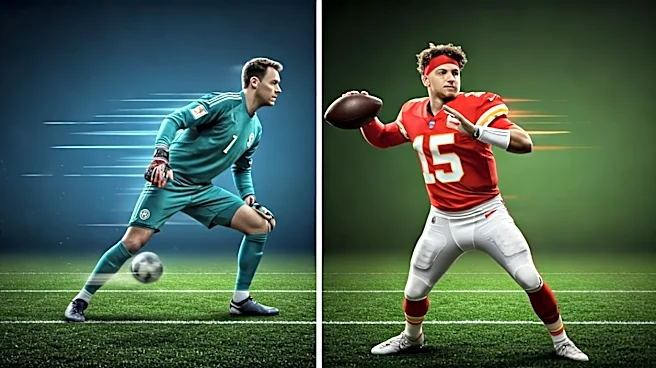
As teams began to play with higher defensive lines, a new problem emerged: acres of space behind the defense for fast forwards to exploit. Enter the "sweeper-keeper." This role, pioneered in early forms by players like Hungary's Gyula Grosics in the 1950s, was perfected and popularized by modern titans like Germany's Manuel Neuer. A sweeper-keeper's job is to be proactive, starting in an advanced position to rush off their line and intercept through-balls before danger develops. They effectively act as an 11th outfield player, covering the space behind their defense. This requires incredible game-reading ability, confidence, and the speed to beat an attacker to a loose ball 30 or 40 yards from goal.
The Goalkeeper as the First Attacker
The modern tactical revolution didn't stop at defense. Visionary coaches like Pep Guardiola built on the sweeper-keeper concept, transforming the goalkeeper into the starting point of their team's entire offensive strategy. In a possession-based system, the goalkeeper provides a constant, available passing option, creating an 11 vs. 10 advantage when playing out from the back. A keeper who is comfortable on the ball and can deliver accurate passes under pressure is essential to breaking an opponent's high press. Goalkeepers like Manchester City’s Ederson and Liverpool’s Alisson have become famous for their passing range, capable of launching a precise, field-spanning ball to start a counter-attack just as effectively as they can play short passes with their defenders.
High Risk, High Reward
Of course, this advanced role comes with significant risks. Any hesitation or mistake from a goalkeeper positioned far from their goal can be catastrophic, often leading to an easy empty-net goal for the opposition. A misplaced pass or a heavy touch can instantly undo 90 minutes of good work. The mental fortitude required is immense, as a single error is not only highly visible but almost always brutally punished. However, for top teams, the reward is worth the risk. The tactical advantages of controlling possession, dictating the tempo, and having an extra playmaker on the field are so profound that the traditional, line-bound shot-stopper is becoming a relic. In today's game, a world-class goalkeeper is no longer just a safety net; they are a strategic weapon.