



Theme 1: The 1970s Disaster-Piece Theater
Before superheroes owned the summer, the disaster movie was king. These films were massive, star-studded events that offered the morbid thrill of watching society grapple with catastrophe. The formula was simple: gather a dozen famous faces, stick them
in a precarious situation—a burning skyscraper, a capsized cruise liner, a rattling airplane—and see who survives. For your marathon, start with 1972’s “The Poseidon Adventure,” the gold standard of the genre, featuring a group of passengers trying to escape an overturned luxury ship. Then, escalate the stakes with 1974’s “The Towering Inferno,” a genuinely spectacular film with an A-list cast led by Steve McQueen and Paul Newman battling a fire in the world's tallest building. If you have room for a third, 1970's "Airport" provides the foundational DNA for the entire genre.
Theme 2: Hitchcock’s Anatomy of Suspense
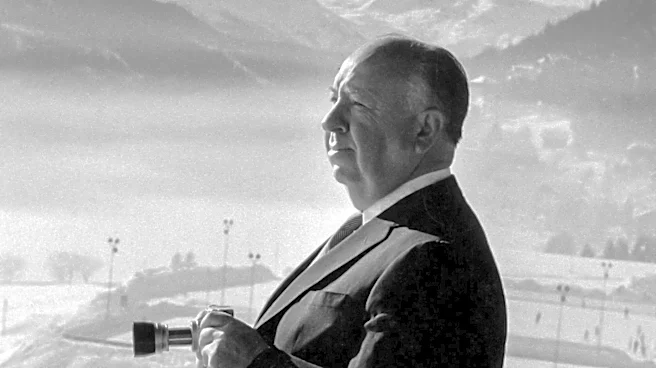
If you want to understand the language of the modern thriller, you have to go back to the master. An Alfred Hitchcock marathon is a masterclass in tension, paranoia, and psychological unease. His films are meticulously crafted, using visual storytelling to create suspense that imitators still study today. Start your viewing with “Rear Window” (1954), a brilliant exercise in contained suspense starring James Stewart as a photographer who believes he’s witnessed a murder in the apartment across from his. Follow it up with “North by Northwest” (1959), a thrilling, cross-country espionage adventure that feels like a prototype for the James Bond films. Finally, dive into the dizzying psychological depths of “Vertigo” (1958), a haunting mystery that is now considered by many critics to be one of the greatest films ever made.
Theme 3: The 80s Action-Comedy Boom
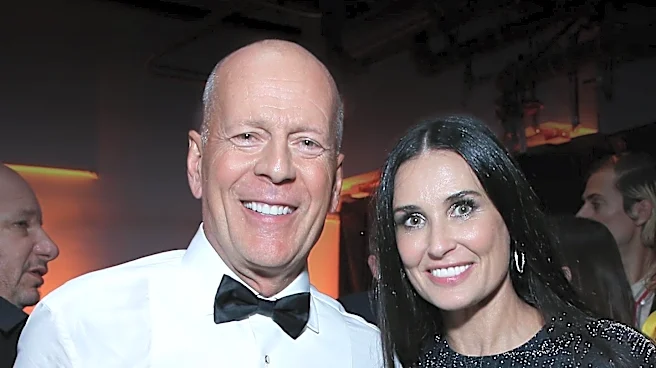
The 1980s perfected a certain kind of blockbuster: the high-concept action-comedy. These weren't just shoot-em-ups; they were character-driven stories with sharp, witty dialogue and explosive set pieces. They launched the careers of some of Hollywood's biggest stars and defined a generation of filmmaking. Your marathon should absolutely begin with “Die Hard” (1988), the ultimate story of a regular guy in an impossible situation. Bruce Willis’s John McClane is the perfect reluctant hero. Then, cue up “Beverly Hills Cop” (1984) to watch Eddie Murphy’s raw comedic energy transform a standard cop movie into something iconic. For a perfect trilogy, add “Lethal Weapon” (1987), which established the template for every buddy-cop movie that followed with its mix of volatile action and genuine chemistry between its leads.
Theme 4: 90s Practical-Effects Sci-Fi
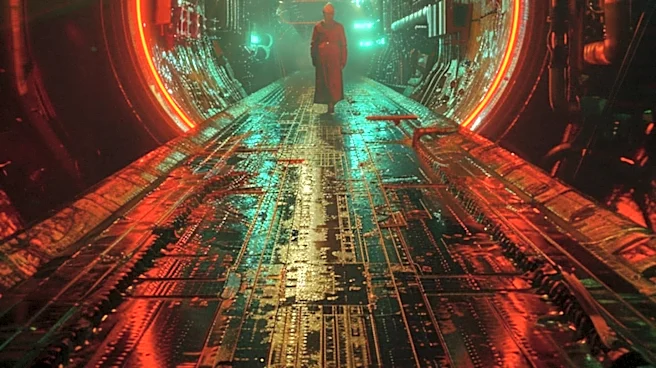
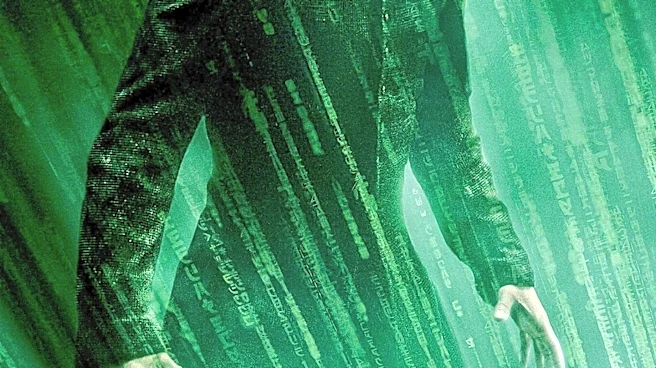
The 1990s were a fascinating turning point for science fiction, sitting at the crossroads of ambitious practical effects and the dawn of mainstream CGI. This era produced some of the most memorable and tangible sci-fi worlds ever put on screen. No marathon is complete without “Jurassic Park” (1993), a film that still feels like a miracle of special effects and awe-inspiring storytelling. The dinosaurs feel real in a way that later CGI creations often struggle to replicate. Next, jump to “Terminator 2: Judgment Day” (1991), a groundbreaking sequel that raised the bar for action and visual effects with its liquid metal T-1000. To round things out, consider a film that pushed the philosophical boundaries of the genre, like 1999's "The Matrix" or David Cronenberg's prophetic virtual reality trip, "eXistenZ" (1999).