





The Golden Ticket Is an Invitation
Forget the idea of a simple sign-up sheet. Getting a food stall at Outside Lands isn't a free-for-all—it's a juried, year-long process. The festival's celebrated 'Taste of the Bay Area' program is the brainchild of a small team of curators, led by food director
Tanya Kollar. They don't just open applications; they scout, taste, and hand-select a lineup that represents the Bay Area's diverse culinary landscape. The application for the 2026 festival closed in March, and the process is explicitly limited to Bay Area businesses, reinforcing its local identity. Kollar and her team are the ultimate gatekeepers, deciding which of the region's thousands of eateries get a shot at feeding hundreds of thousands of festival-goers. For 2026, only 100 restaurants made the final cut.
The Price of a Spot
Securing a spot is far from free. While specific numbers vary, the financial model is a demanding one. Vendors face significant upfront costs, estimated to be between $7,000 and $15,000, just for equipment rentals, staffing, and ingredients before the first dish is even served. But the biggest factor is the revenue share. Festival producer Another Planet Entertainment typically takes a commission of 25% to 35% of a vendor's gross sales. It's a steep price, but one that many are willing to pay. The potential payoff is enormous: a successful vendor can gross tens of thousands of dollars per day. For some restaurants, a single weekend at Outside Lands can be more profitable than a month of regular service, making it worth shutting down their brick-and-mortar location for the event.
It's Not Just Food, It's Strategy
Even for acclaimed chefs, a great restaurant menu doesn't guarantee festival success. The competition is also about strategy. The food curator works directly with vendors to engineer their menus for the festival environment. A complex, fragrant noodle soup might be rejected for being too hard to eat while walking. A dish with a complicated name might be simplified for broader appeal. Portability, speed of service, and 'Instagrammability' are just as important as taste. Furthermore, the festival encourages unique, exclusive collaborations between well-known chefs, creating dishes that exist only for that weekend. These partnerships are part of the curation, designed to generate buzz and offer attendees something they truly can't get anywhere else.
The Logistical Gauntlet
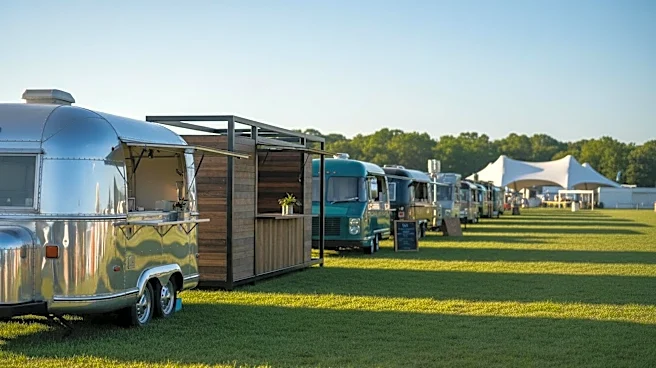
Winning a spot is one thing; executing is another. Vendors are essentially building a high-volume restaurant from scratch on a patch of grass for three days. The logistical hurdles are immense. They must navigate a maze of regulations covering everything from power and water access to waste disposal. Outside Lands has one of a festival's most ambitious sustainability programs, requiring all foodware to be 100% compostable. Staffing is another major challenge, as restaurants need to field a team capable of serving thousands of customers efficiently and cheerfully amidst the chaos of a massive music festival. This operational prowess is a key, unspoken part of the competition—only those who can handle the pressure and volume are invited back.