



An Unforgettable Final
July 13, 2014. Rio de Janeiro's iconic Maracanã stadium was electric. After 113 minutes of grueling, scoreless soccer, Germany and Argentina were locked in a stalemate that felt destined for the brutal lottery of a penalty shootout. Then, substitute Mario
Götze, just 22 years old, chested down a cross and volleyed the ball into the net, securing Germany’s fourth World Cup. The victory was historic, making Germany the first European team to win the tournament on South American soil. For the players and their nation, it was the culmination of a dream. But for the millions watching worldwide, the post-game celebration delivered a completely unexpected plot twist, courtesy of a superfan who wasn’t even German.
The Ultimate Influencer
Throughout the tournament, pop icon Rihanna had transformed her Twitter account into a must-read stream of passionate and witty soccer commentary. She analyzed plays, praised goalkeepers, and mourned losses with the raw emotion of a die-hard fan. Having backed Germany, she flew to Brazil for the final, documenting her experience for her millions of followers. When Götze scored, she celebrated online by lifting her shirt to flash a bra—a move that felt more rock and roll than sideline reportage. Her enthusiastic support was authentic and infectious, building a narrative that merged global celebrity culture with the world's biggest sporting event.
Breaking All the Rules
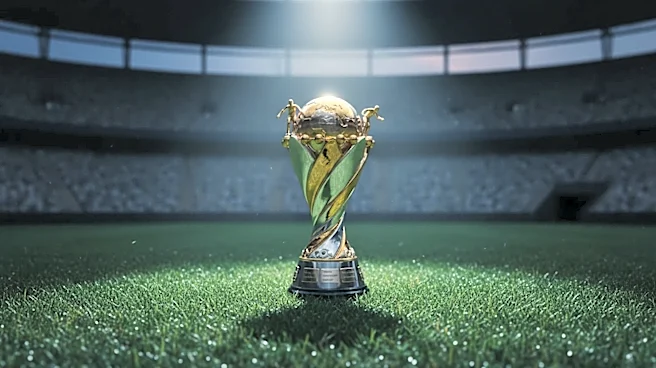
What happened next is what cemented the moment in pop culture history. After the match, Rihanna wasn't just celebrating from the stands; she was invited to party with the victorious German squad. Soon, photos flooded the internet: Rihanna posing with goal-scorer Mario Götze, getting kissed on the cheek by Lukas Podolski and Bastian Schweinsteiger, and, most audaciously, holding the World Cup trophy. This was no small feat. According to FIFA's strict rules, only a very select group of people, including former winners and heads of state, are allowed to touch the solid gold trophy. Yet there she was, hoisting it like she had just scored the winning goal herself. Her subsequent tweet was pure triumph: “I touched the cup, held the cup, kissed the cup, took a selfie wit the cup!!! I meeeaan…… what is YO bucket list looking like bruh?”
A Hollywood Ending
The sight of a non-player, a non-head-of-state, so joyfully and brazenly celebrating with sport’s most sacred prize was unprecedented. It broke the invisible wall between the V.I.P. box and the locker room. Other celebrities were at the final—David Beckham, Gisele Bündchen, Daniel Craig—but they remained spectators. Rihanna, through her genuine fandom and sheer force of personality, became part of the victory itself. The images felt less like a standard sports celebration and more like the final scene of a movie. It was the ultimate fan fantasy made real: a global superstar becoming one of the crew, sharing in the raw, chaotic, and glorious moment of a lifetime achievement. It was spontaneous, glamorous, and perfectly crafted for the social media age, turning Germany's athletic triumph into an iconic cultural event.