



The Master Plan
Long before the first flashbulb pops, a celebrity's festival wardrobe is a full-blown production. The process begins months in advance, orchestrated by a trusted stylist. Their job goes far beyond just picking pretty clothes; it’s about crafting a narrative.
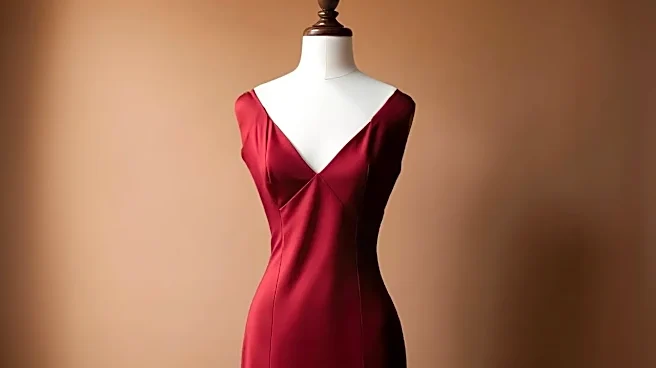
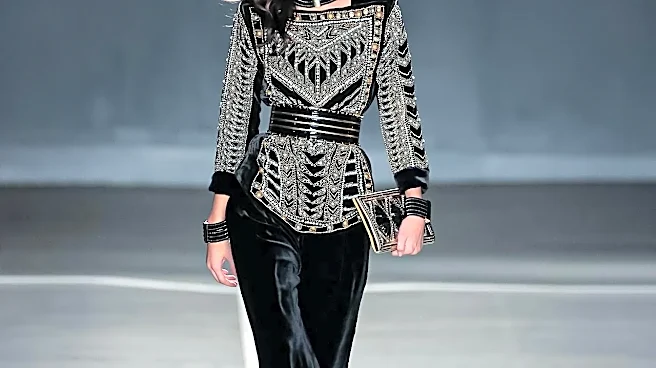
They collaborate with fashion houses to secure coveted looks, sometimes commissioning custom pieces that align with the film's tone or the actor's personal brand. This strategic planning involves creating a cohesive story through clothing, where each outfit serves a specific purpose. Stylists build lookbooks, often using Polaroids with detailed notes, to map out every possible combination for press junkets, premieres, and parties. These relationships with designers are crucial, as they can lead to an actress becoming a brand muse, ensuring a steady stream of show-stopping looks for years to come.
Daylight Diplomacy: The Photocall
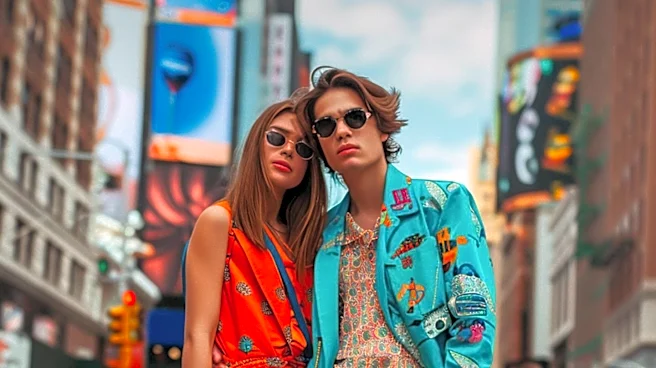
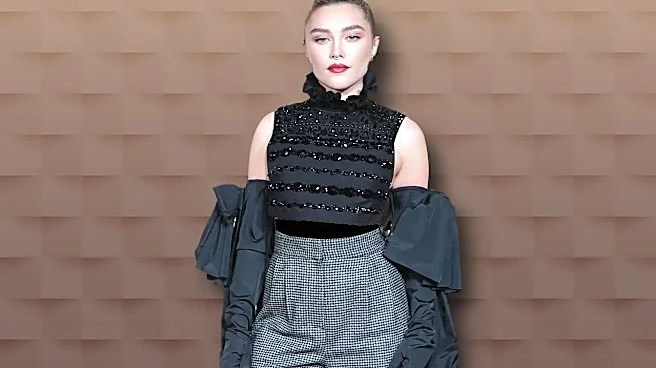
The first public appearance of the day is often the photocall or press conference. The dress code here is polished but comparatively relaxed. The goal is to project an effortless, approachable charm. Think lightweight tailoring, chic separates, or a stylish dress that's less formal than eveningwear. This is where a star's personal style can shine through, often incorporating more casual or trend-driven pieces. However, 'casual' is a relative term. These outfits are still meticulously planned to look sharp on camera, with stylists considering everything from breathable fabrics for warm climates to accessories that can transform an ensemble. As seen with stars like Florence Pugh, a photocall look might be a bold, pantless coatdress—memorable and fashion-forward without being black-tie.
Prime Time: The Gala Premiere
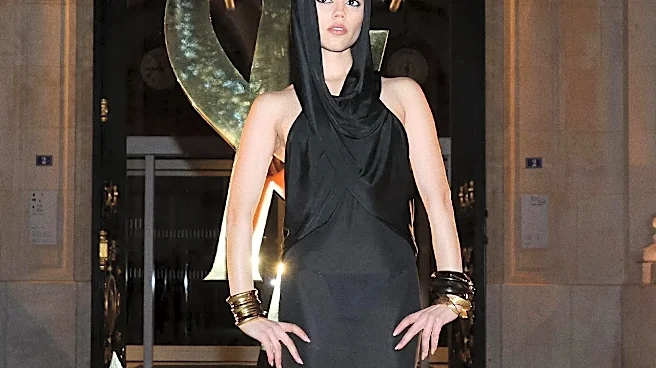
The evening premiere is the main event, and the wardrobe shifts into high gear. This is the moment for maximum glamour and drama, governed by strict formal dress codes, especially at prestigious events like the Cannes Film Festival where a tuxedo for men and a gown for women are often mandatory. This is when the custom couture gowns and breathtaking high jewelry make their debut. The goal is to create an iconic red-carpet moment that will be photographed from every angle and seen around the world. The fabrics—like duchess satin that reflects flash photography beautifully or intricate embroidery that adds texture—are chosen for their on-camera performance. A stylist and their team are on-site in a hotel suite, ready for last-minute alterations and to ensure every detail is perfect before the star steps onto the carpet.
The After-Hours Shift
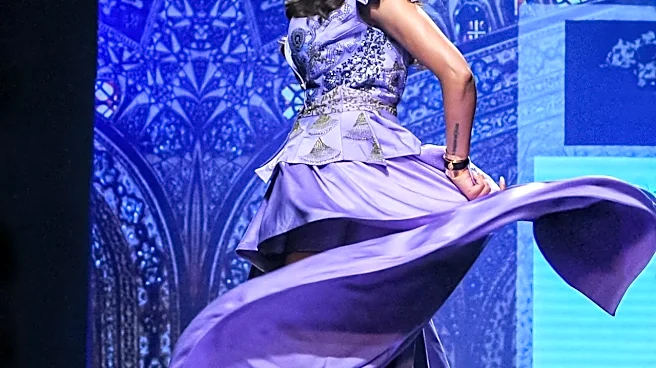
But the night isn't over. Following the premiere, there are after-parties, and with them comes another wardrobe change. Comfort and practicality become key. After hours in a structured gown and heels, many celebrities switch into something more playful and easier to move in, like a mini-dress, a sleek jumpsuit, or chic separates. This look is still high-fashion—often sparkly, daring, or trendy—but it’s designed for dancing and mingling, not just standing and posing. This final change allows a star to express a different, more relaxed side of their style while still looking perfectly put-together for the party photographers.
The Logistical Olympics
Underpinning this entire fashion marathon is a logistical operation of military precision. A small army of assistants, tailors, and sometimes even security for the high-value jewelry, works behind the scenes. Outfits are ferried between venues, steamed to perfection, and laid out for quick changes that can happen in minutes in the back of a chauffeured car or a specially booked hotel room. Wardrobe specialists manage the road cases, handle cleaning and repairs, and ensure every single piece, from the dress down to the earrings, is exactly where it needs to be at the right moment. Without this flawless coordination, the seamless fashion fantasy would be impossible.