





A Hat with Two Histories
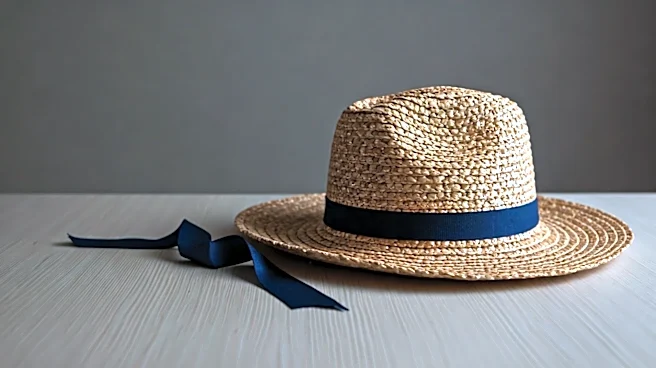
Before it became a staple of barbershop quartets and Ivy League summer formals, the boater hat had a life on the water. Its story begins with the gondoliers of Venice, who wore the flat-topped straw 'canotier' to shield themselves from the sun. This association
with leisure and sport was its first identity. By the late 19th century, it had crossed into the Anglo-American world, first worn by women and children for seaside holidays and picnics. Soon after, men adopted it as the official warm-weather substitute for the formal felt hats they wore in winter. Suddenly, the hat existed in two worlds at once: the relaxed world of sport and the structured world of semi-formal society, complete with strict rules like 'Straw Hat Day,' which marked its seasonal debut.
The Contradictions of an Era
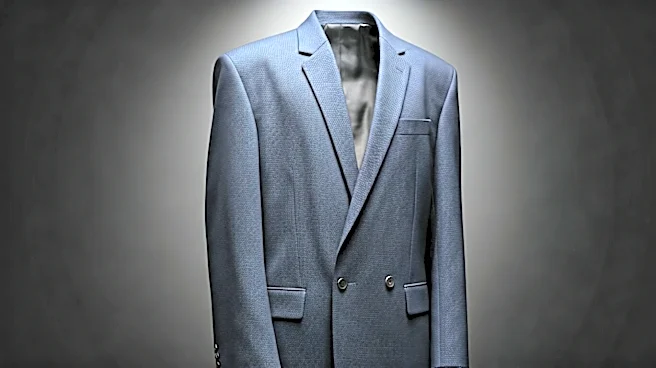
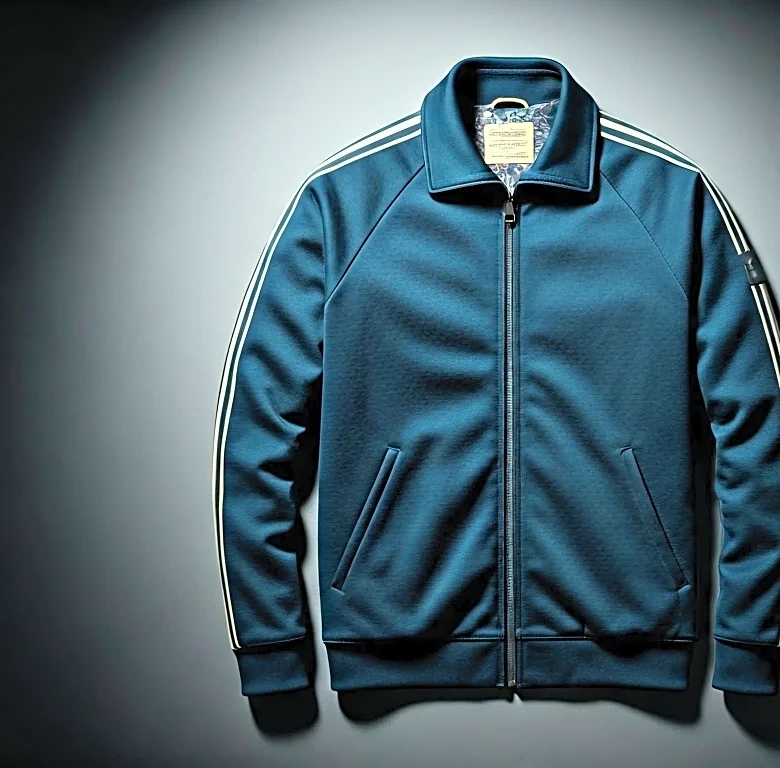
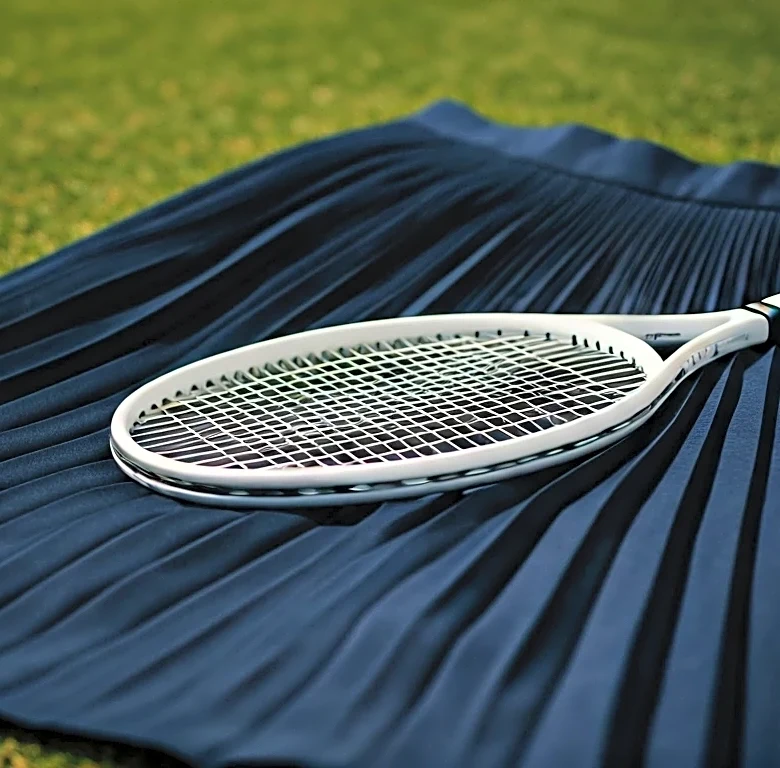
This dual identity made the boater a perfect accessory for the 1980s, a decade defined by its own stylistic contradictions. On one hand, the era gave us 'power dressing': sharp, wide-shouldered suits for a new generation of women entering the corporate world. It was aspirational, adult, and serious. On the other hand, the decade was gripped by a fitness craze that turned athletic clothing into everyday wear. Leggings, sweatshirts, and sneakers became a uniform for life outside the office. Fashion was a constant negotiation between the formal ambitions of the 'yuppie' and the relaxed, body-conscious ease of the aerobics studio. This sporty-formal tension wasn't just in clothing; it was a cultural mindset, and Princess Diana was about to become its leading interpreter.
Diana's Early Style Language
When Lady Diana Spencer stepped into the global spotlight, her early style was a study in soft, romantic, and often demure choices. She was the 'Sloane Ranger' in ruffled blouses and modest dresses. But her accessories often hinted at a more playful understanding of fashion codes. Hats were a key part of her public uniform, and she used them to masterful effect. Just a month before her 1981 wedding, she attended the formal Royal Ascot wearing a white boater-style hat, complete with a delicate birdcage veil. The choice was brilliant. The boater shape nodded to casual, youthful summer days, but the context and the veil made it impeccably formal. It was a subtle signal of her ability to bridge the gap between stuffy royal protocol and a more accessible, modern sensibility.
The Mood Board Unpacked
Throughout the 80s, Diana’s 'mood board' was filled with these clever negotiations. She would pair a crisp, military-inspired Catherine Walker suit with a nautical-themed hat for a formal inspection, playing with the line between costume and ceremony. At polo matches, she would top off a casual outfit with a hat that added just the right amount of structure. The boater and its adjacent styles—like sailor hats and other flat-brimmed straw designs—allowed her to look polished and appropriate for the occasion without appearing as stiff or unapproachable as older royals. The hat’s inherent 'sportiness' became a tool for connection. It was formal enough to denote her status but relaxed enough to let her famously cuddle a child without the rigid brim of a grander hat getting in the way, a barrier she consciously sought to remove.