
The Playa's Unlikely Icon
For years, Paris Hilton has been a fixture on the playa, the vast desert landscape where Burning Man unfolds. She hasn’t attended as a rugged participant roughing it in a tent but as a full-blown persona:
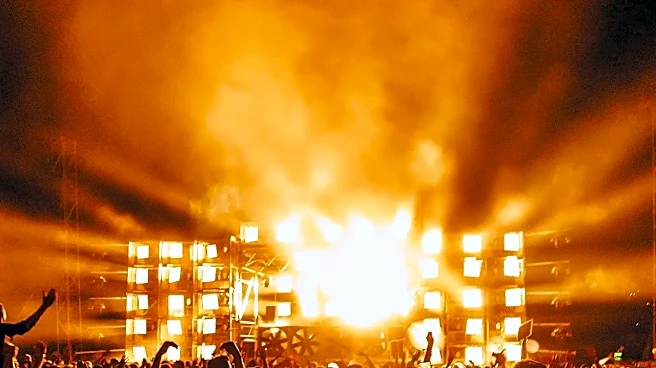
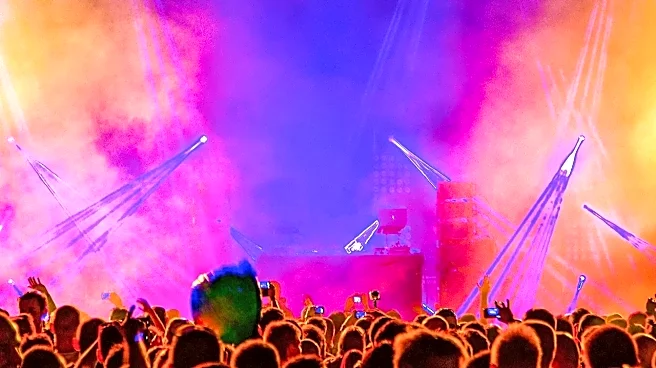
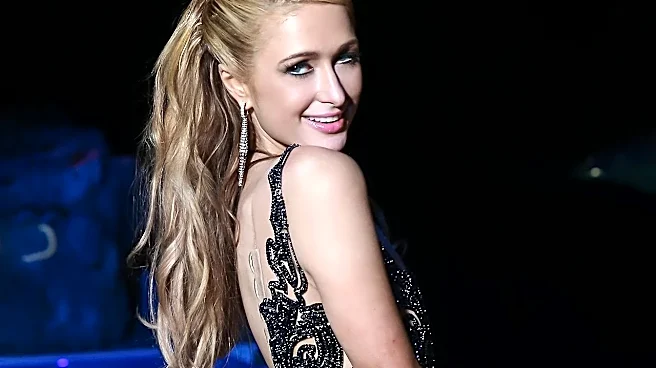
the glamorous, sequined DJ arriving via private jet. Her version of 'radical self-expression' involves over-the-top, custom outfits, often paired with luxury accessories like $2,000 Givenchy boots—items destined for destruction in the alkali dust. This isn't an attempt to blend in; it's an exercise in standing out, Hilton-style. Her presence, complete with DJ sets on massive art cars, has become a reliable feature of the event, sparking a mix of fascination, irritation, and debate among longtime Burners. She once called the festival life-changing, praising its incredible energy while simultaneously maintaining her signature, highly produced image.
A Symptom of the 'Plug-and-Play' Problem
To critics, Hilton embodies the rise of 'plug-and-play' or 'turnkey' camps—an issue that has plagued the Burning Man community for over a decade. These camps operate like all-inclusive resorts, offering guests pre-built accommodations, meals, and amenities for fees that can run into the tens of thousands of dollars. This model runs counter to Burning Man’s core principles of Radical Self-reliance and Participation. Instead of building and contributing, participants can simply arrive and consume an experience. Hilton, with her seemingly effortless appearances, has become a high-profile symbol of this commodified Burn. While Burning Man's organization has officially pushed back against these convenience camps, their persistence suggests a deeper cultural shift. The controversy isn't just about one celebrity; it's about the fear that the event's counter-cultural soul is being eroded by money and convenience.
Authenticity in the Age of the Brand
The central question Hilton's presence raises is one of authenticity. Is she genuinely participating, or is the playa just another backdrop for her global brand? Hilton is a master of self-branding, having transformed her socialite image into a multi-billion-dollar business empire through careful persona curation. Her entire career has been a performance of a specific type of hyper-feminine, glamorous, and aspirational lifestyle. From this perspective, her appearance at Burning Man isn't a break from her brand; it's a seamless extension of it. She brings her world to the desert, rather than fully immersing herself in its ethos. Even her DJing, a passion she has pursued for over a decade, is often met with skepticism, with some accusing her of playing pre-recorded sets—a charge she vehemently denies. This friction highlights a core tension: in a space dedicated to shedding commercial identity, Hilton’s identity is her commercial enterprise.
The Mirror on the Man
Ultimately, laying the 'death of Burning Man' at Hilton's feet is too simple. Her persona doesn't corrupt the playa; it merely reflects what's already there. Burning Man is no longer a fringe, counter-cultural gathering. It's a global phenomenon, a bucket-list item for tech moguls, influencers, and celebrities. In a community that now draws tens of thousands, the definition of 'participation' has become fractured. Some attendees have defended Hilton’s DJ sets, noting she drew enthusiastic crowds who chose to be there. The organizers of one art car she played on explained that their goal is creating memorable, absurd moments—and having Paris Hilton play a set in the middle of the desert certainly qualifies. In this light, Hilton isn’t an invader. She is the logical conclusion of Burning Man’s mainstream appeal—a perfectly absurd and sublime reflection of the festival's own identity crisis in the 21st century.