


The Tonal Handshake
You can’t talk about music as a language in sci-fi without starting with Close Encounters of the Third Kind. The film’s iconic five-note motif (D-E-C-C-G) is the quintessential example of music as a tool for first contact. When humanity and the visiting
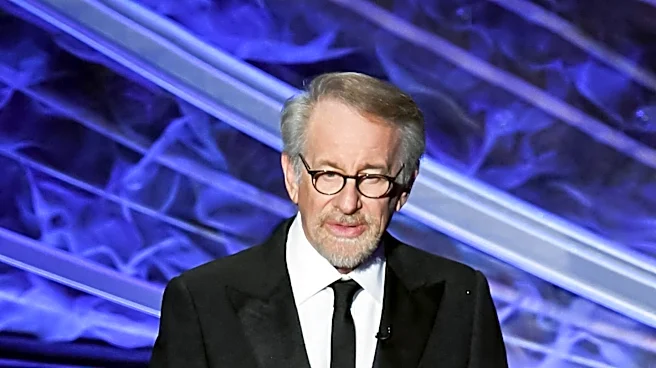
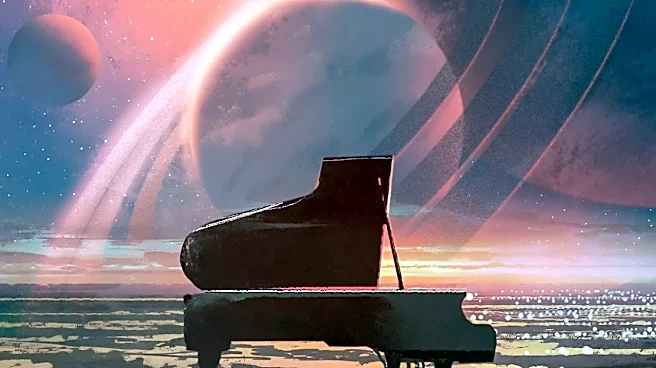
extraterrestrials finally meet, they don't exchange words; they trade melodies. It's a conversation held on a massive synthesizer, with colored lights corresponding to each tone. Director Steven Spielberg and composer John Williams reportedly sifted through hundreds of five-note combinations to find the perfect sequence—something simple enough to feel like a greeting, not a full song. The result is a cinematic moment that perfectly distills a core sci-fi hope: that even across an unimaginable cosmic divide, art could be our universal translator. It’s presented as a kind of interspecies IQ test, a way for the aliens to see if humanity is intelligent enough to recognize a pattern and respond. As one scientist in the film famously puts it, "It's the first day of school, fellas."
Vibrations from Another World
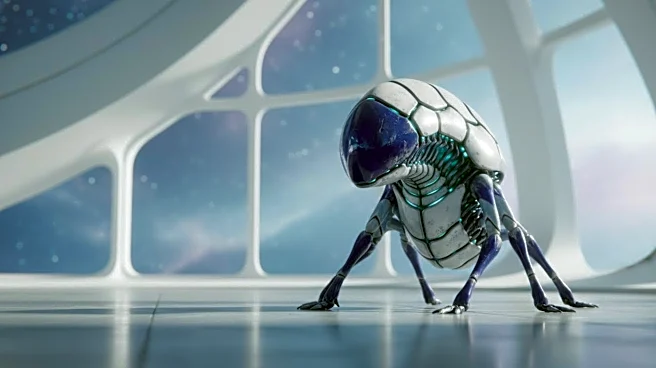
Beyond first contact, sci-fi often uses music and sound to build out the very fabric of its alien worlds. Frank Herbert’s Dune novels, and their recent film adaptations, are a masterclass in this. The soundscape of Arrakis isn’t just background noise; it's a part of the environment and the culture. Hans Zimmer’s score for the films deliberately avoids traditional melodies, instead using guttural chants, distorted voices, and otherworldly instrumentation to create a sound that feels both ancient and alien. The score and the sound design are deeply integrated, making it difficult to tell where one ends and the other begins. This approach creates a sonic world that feels completely foreign, a place governed by different rules. This field of imaginary sound is sometimes called speculative xenomusicology—the study of what music from other worlds might sound like, based on different biologies, environments, and cultures. Sci-fi that explores these ideas pushes the boundaries of what we even consider music, imagining symphonies of light, magnetic fields, or sounds outside the range of human hearing.
Starfleet's Songbook
No franchise has explored communication in more depth than Star Trek, and music is often part of that exploration. While the show is famous for its universal translator, some of its most memorable stories happen when that technology fails. The Next Generation episode "Darmok" is a prime example. Though its focus is on spoken language based on metaphor, it highlights the same core challenge: how do you build a bridge of understanding with a consciousness that operates differently? Several episodes across the franchise use music more directly. In Star Trek: The Next Generation, Data's journey to understand humanity often involves him exploring music, from classical guitar to theatrical performance. One of the most beloved episodes, "The Inner Light," sees Captain Picard live an entire lifetime in his mind on a doomed planet, where his most cherished possession becomes a simple flute and the melody he learned to play on it. That melody becomes a vessel for the memory of an entire civilization, a song that carries their story across the stars long after they are gone.
From Motif to Main Character
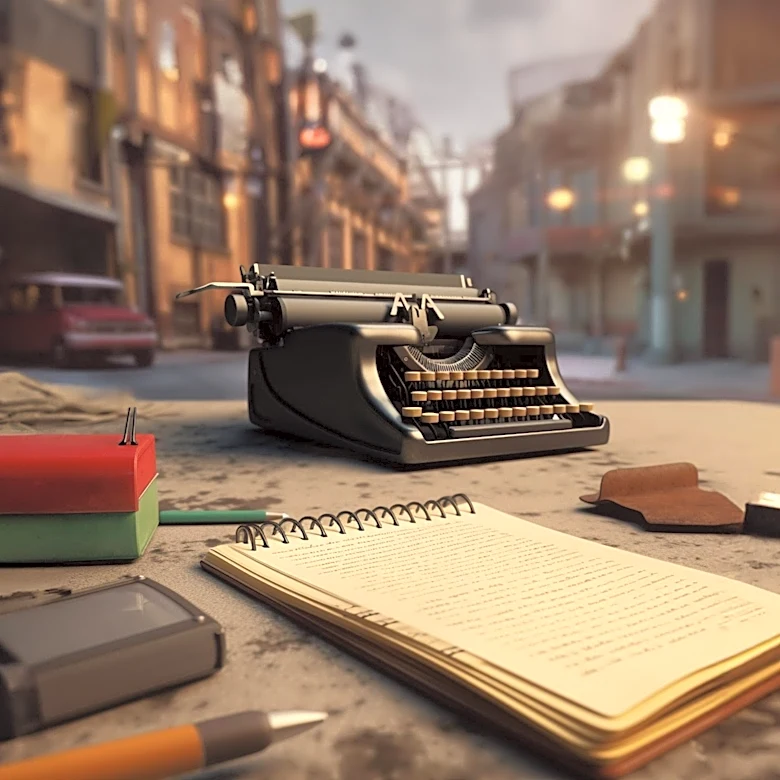
In literature, where sound can only be described, authors have long used music as a powerful storytelling device. In Samuel R. Delany’s novella The Ballad of Beta-2, a student of galactic history analyzes a folk ballad to uncover the truth about a fleet of generation ships that went tragically wrong. The song itself is the historical document. More recently, stories like Sarah Pinsker's A Song for a New Day imagine a future where live music is illegal, making the act of performing a song an act of profound rebellion. Here, music isn't just communication or memory; it's a symbol of community and freedom. In these stories, music becomes more than a plot point; it's an active character with its own motivations and impact on the world. It’s a force that preserves history, defines cultures, and drives characters to action, proving that even in the most distant futures, a good song remains one of the most powerful technologies we have.