



The Main Stage Imperative
First, you have the titans—the non-negotiable headliners. These are the artists whose names are big enough to be printed on billboards and recognized by even casual electronic music listeners. Think Tiësto, David Guetta, Martin Garrix, or Kaskade. For
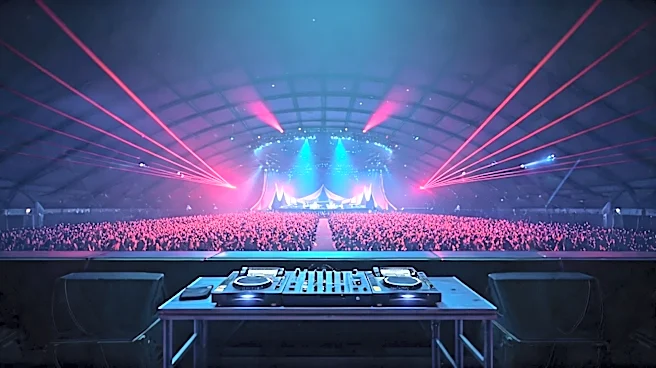
a festival the size of EDC, which draws hundreds of thousands of fans to the Las Vegas Motor Speedway, these acts are the commercial engine. They sell the tickets, secure the sponsorships, and generate the mainstream media buzz necessary to justify the festival’s massive scale. Their sets on the main stage, kineticFIELD, are spectacles of pyrotechnics, LED screens, and universally beloved anthems. They are the reliable, high-investment anchors that guarantee a massive draw, providing a shared, peak experience for the majority of attendees. While seasoned fans might sometimes dismiss them as “obvious” bookings, their presence is fundamental to the festival's financial and cultural stability.
Honoring the Architects
On the other end of the spectrum are the legacy acts—the architects and godfathers of the scene. These are the DJs who built the genres that today's headliners play, artists like Ferry Corsten, Paul van Dyk, or techno purists who command immense respect. While they may not have the same Top 40 radio presence as the main stage giants, their inclusion is a critical nod to authenticity and the festival’s roots. Booking them serves two purposes. First, it caters to the long-time attendees, the “lifers” who have been part of the culture for decades and crave the specific sounds of trance, hardstyle, or classic house. Stages like quantumVALLEY become sanctuaries for these communities. Second, it educates the newer generation, providing a living history lesson in the genres that form the foundation of dance music. This isn't just nostalgia; it's a strategic move that reinforces EDC’s credibility and positions it not just as a party, but as a pillar of the entire electronic music ecosystem.
The TikTok Talent Pipeline
The most dynamic and disruptive element in modern festival booking is the rise of the TikTok-era producer. These are artists who may have exploded in popularity not over years, but over months, thanks to a viral sound or a series of high-energy clips. Acts like Knock2 or ISOxo represent a new wave of talent that built a massive, dedicated following online before ever stepping onto a major festival stage. Their music—often aggressive, sample-heavy, and perfectly suited for short-form video—brings a raw, unpredictable energy. For EDC, booking these artists is an investment in the future. It keeps the lineup feeling fresh, relevant, and connected to the youngest generation of fans whose musical tastes are shaped by algorithms and social media trends. It also creates some of the most passionate crowds, as fans get to see an artist they discovered on their phone in a massive, real-world setting for the first time. This pipeline ensures the festival doesn’t become a static legacy event but remains a vibrant, evolving organism.
The Art of Curation
The true genius of the EDC lineup isn't just having these three groups; it's how they are mixed and matched. The festival's magic lies in the undercard and the unique stage curation. You might find a legacy trance DJ playing an intimate set just a short walk from a bass-heavy stage where a TikTok star is making their debut. The festival also fosters unique collaborations, like the now-famous “b2b” (back-to-back) sets where two seemingly different artists share the decks, creating one-of-a-kind moments that exist only for that night. This layered approach means that while the headliners get your attention, it’s the journey of discovery through the festival’s diverse soundscapes—from the hardstyle of wasteLAND to the techno of neonGARDEN—that creates lasting memories and loyal attendees. It transforms the lineup from a simple list of names into a curated adventure.