




Decoding Do Son: The Story and the Sea
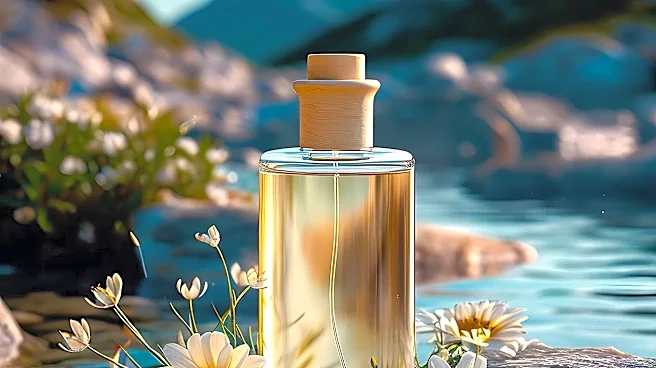
To understand Do Son, you have to go back in time. The scent is a fragrant snapshot from the childhood of Yves Coueslant, one of Diptyque's founders. As a child, he spent summers at the Vietnamese seaside resort of Do Son, located in Ha Long Bay. Every
evening, the sea breeze would carry the intoxicating, spicy scent of tuberose flowers that his mother loved. The dominant notes in Do Son are officially tuberose, jasmine, and orange blossom—a classic white floral bouquet. But the “hidden note” isn’t a single ingredient you can bottle. It’s the context: a fresh, ozonic marine accord that perfumer Fabrice Pellegrin wove into the composition. This salty sea air cuts through the richness of the tuberose, making it feel less like a dense floral arrangement and more like a flower caught in a coastal breeze. It’s this dewy, atmospheric quality that gives Do Son its unique, transportive character, setting it apart from more traditional tuberose perfumes.
The Tuberose Test: How Do Son Stacks Up
Do Son’s breezy, narrative-driven take on tuberose is iconic, but it’s not the only way to experience this captivating flower. Tuberose can be lush and straightforward, green and biting, or creamy and decadent. For those who love the central note but are curious about its other interpretations, several other fragrances offer a compelling alternative, each telling a very different story.
The Modern Classic: Gucci Bloom
If Do Son is a tuberose on the beach, Gucci Bloom is a tuberose in a thriving, wild garden. Often cited as a close sibling to Do Son, Bloom presents a more direct and purely floral experience. It amps up the jasmine and introduces Rangoon creeper, a unique flower that imparts a slightly powdery, lush scent. What you won’t find in Bloom is Do Son’s signature marine accord. The result is a fragrance that feels denser, creamier, and more traditionally feminine. While Do Son is atmospheric and poetic, Bloom is a straightforward, beautiful, and unapologetic celebration of white florals. For those who find Do Son a bit too light or green, Gucci Bloom offers a similar profile with more floral heft and presence, often at a slightly more accessible price point.
The Aromatic English Garden: Jo Malone London Tuberose Angelica
Where Do Son uses sea air to temper its tuberose, Jo Malone London’s Tuberose Angelica uses the green, peppery spice of angelica. This creates a completely different effect. The fragrance opens with a sharp, aromatic quality that feels sophisticated and distinctly English. The tuberose here isn’t breezy; it’s elegant and grounded by the earthy, herbal notes of the angelica and a warm amberwood base. It’s a more stately and formal interpretation of the flower. If Do Son is a nostalgic memory of a summer evening, Tuberose Angelica is a brisk, refined walk through a manicured botanical garden. It’s less about storytelling and more about the beautiful, precise contrast between its two star ingredients, offering a crisp and polished alternative.
The Ultimate Indulgence: Frédéric Malle Carnal Flower
Considered by many perfumers to be the gold standard of tuberose fragrances, Carnal Flower by Dominique Ropion is a different beast entirely. While Do Son is an ethereal whisper of tuberose, Carnal Flower is a symphonic roar. It uses the highest possible concentration of natural tuberose absolute, resulting in a scent that is shockingly multifaceted. It opens with a blast of green, almost camphorous eucalyptus and melon before revealing a buttery, fleshy, and intensely rich tuberose heart. It’s darker, spicier, and far more potent than Do Son, living up to its “carnal” name. This is tuberose in its most raw and untamed state. Comparing it to Do Son is like comparing a watercolor painting to a vibrant oil canvas; both are masterpieces, but their intensity, texture, and intent are worlds apart. It represents the peak of tuberose luxury for those who want a bold, unforgettable statement.