





The Great Midfield Contraction
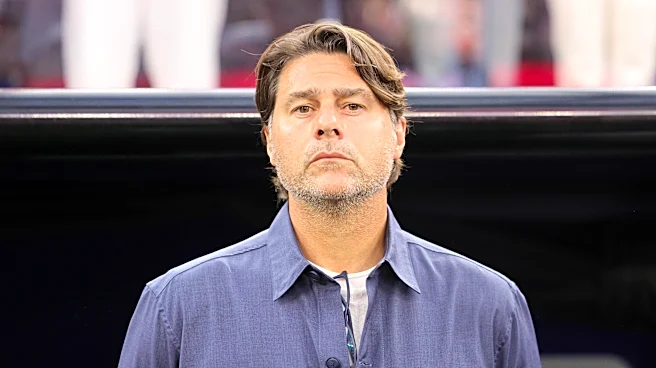
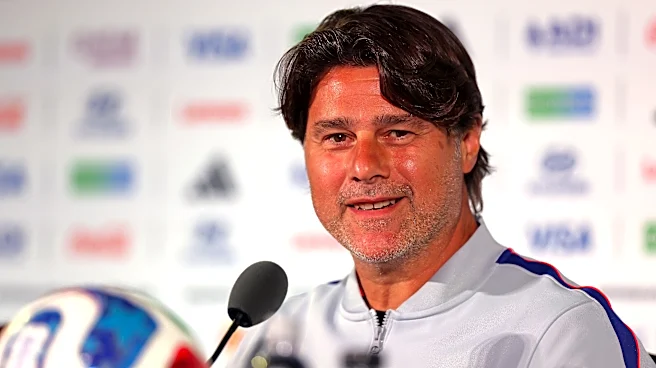
The most stunning feature of the final roster is its deliberate thinness in the central midfield. Manager Mauricio Pochettino named only four true central midfielders, leaving out regulars like Tanner Tessmann and Aidan Morris. This is a massive gamble.
The core trio of Tyler Adams, Weston McKennie, and now Sebastian Berhalter carries an immense load, with Cristian Roldan providing veteran depth. But with Adams’ injury history and the sheer physical demands of a World Cup, going this lean is a high-wire act. It suggests Pochettino is supremely confident in his starters' fitness and potentially plans to use versatile players in hybrid roles. If it works, it’s genius. If an injury or suspension hits, it could be the team's undoing.
The Enigma of Gio Reyna
Is Gio Reyna a super-sub, a starter, or a luxury player? Despite questions around his club form and past fitness issues, the 23-year-old made the squad. His talent is undeniable; he is one of the most technically gifted players in the American pool and can unlock a defense in ways few others can. Pochettino’s decision to include him signals a belief that Reyna’s game-breaking ability is a necessary weapon, even if it doesn't come with 90-minute guarantees. His role in the opening matches has already shown flashes of brilliance. How he is deployed in the knockout rounds—whether as an electrifying force off the bench or a creative starter—will say everything about the team's attacking identity when the stakes are highest.
The Striker Hierarchy is Set
For years, the number nine position has been the USMNT’s biggest question mark. Now, there’s an answer. Folarin Balogun, Ricardo Pepi, and Haji Wright are the chosen trio, all coming off strong seasons in Europe. Balogun appears to be the presumed starter, offering a clean, technical presence up top. Pepi and Wright provide different profiles, giving the U.S. tactical flexibility. This decision brings clarity and stability to the attack's focal point. Unlike in 2022, there’s no debate heading into the tournament's biggest games. The success of this World Cup campaign will lean heavily on whether this group can convert chances, and for the first time in a while, the U.S. has a set of strikers who have all proven they can score.
Trusting the New-Look Defense
While veterans like Tim Ream provide experience, the core of this defense has a relatively new feel. Players like Chris Richards and Miles Robinson are being counted on to anchor the backline, and they are joined by a host of defenders who were not in Qatar four years ago. Pochettino has selected a deep group of ten defenders, suggesting he values flexibility and fresh legs. This blend of youth and experience, particularly in the center-back pairings, is a deliberate choice to build for the future while competing now. Their ability to gel quickly under the brightest lights will be critical, as any defensive lapses will be punished in the knockout stages.
The Rise of Sebastian Berhalter
Perhaps the most symbolic selection is that of Sebastian Berhalter, son of former coach Gregg Berhalter. Just four years ago, he was a spectator in Qatar. Now, after emerging as a top midfielder in MLS, he’s a key part of the World Cup squad. His inclusion over more established European-based players like Tessmann is a bold statement from Pochettino. It reflects a willingness to reward stellar MLS form and signals that the path to the national team runs just as much through domestic leagues as it does through Europe. Berhalter’s journey from fan to player embodies the growth of the sport in America, and his performance will be a key barometer of the team’s midfield engine.