


The Graceful Fade vs. The Dreaded Crack
The fundamental difference between a skin tint and a heavy foundation lies in how they wear down. A full-coverage foundation is formulated with a high pigment load, designed to sit on top of the skin and create an opaque mask. While it looks perfect initially,
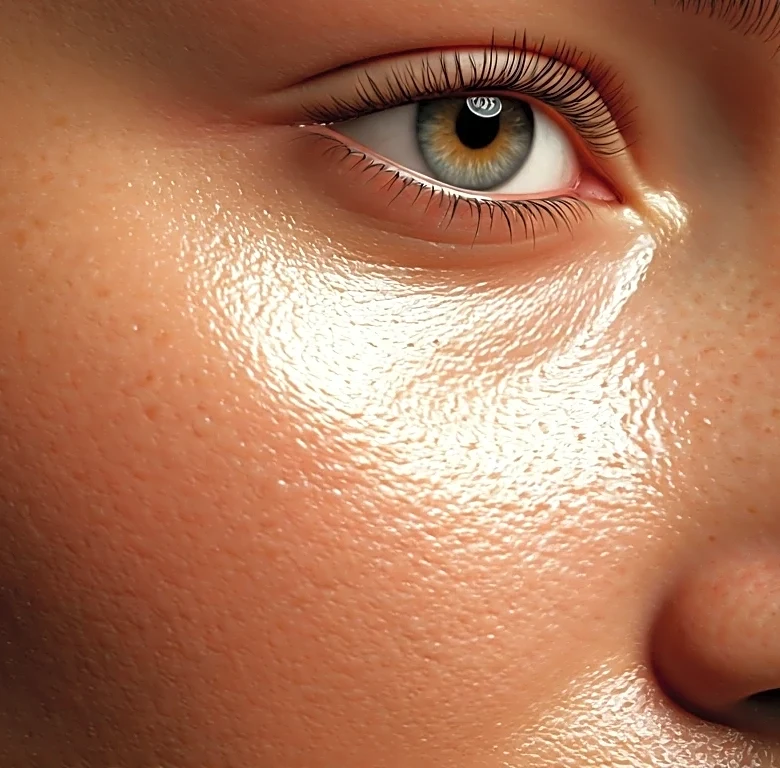
it’s a high-risk strategy for a long night. As your skin produces oil, as you sweat on the dance floor, or as you simply make facial expressions for hours, that rigid layer is prone to what makeup artists call 'breaking up.' It can settle into fine lines, separate around the nose and mouth, and create a patchy, cracked appearance that’s impossible to ignore. A skin tint, on the other hand, is designed to be more flexible. With lower pigment and more emollient ingredients, it moves *with* your skin. Instead of cracking, it simply fades—slowly and evenly. By the end of the night, you may have less coverage, but your skin still looks like skin, not a fractured masterpiece.
Breathability Is the New Flawless
Think of it like clothing. A heavy foundation is a stiff, restrictive garment. It looks sharp, but after a few hours, you can't wait to take it off. A skin tint is like your favorite soft-spun tee; it lets your skin breathe. Most tints are water-based and packed with hydrating ingredients like hyaluronic acid or squalane. This not only feels more comfortable over a six-to-eight-hour period but also actively benefits your skin. Heavy, oil-based foundations can feel occlusive, trapping heat and sweat, which can lead to clogged pores and a general feeling of 'makeup fatigue.' For a long night that involves eating, talking, and dancing, comfort is paramount. A lightweight formula ensures you’ll forget you’re even wearing makeup, allowing you to focus on the event itself, not on how your face feels.
The Impossible Touch-Up Problem
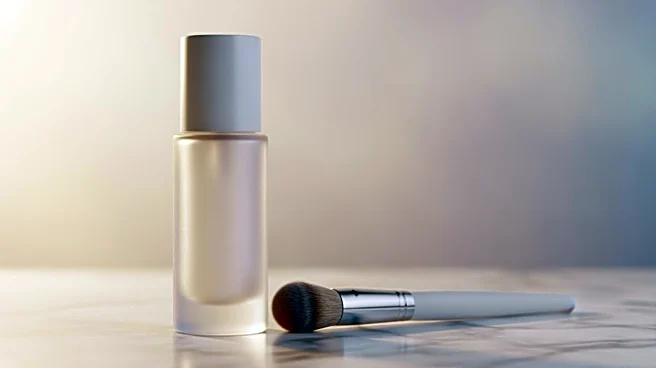
Here’s the scenario: it’s midnight, you’re in a poorly lit bathroom, and you notice your foundation has gone patchy around your chin. What do you do? Trying to apply more heavy foundation over a broken-down base is a recipe for disaster. You’ll end up with a cakey, uneven mess that looks far worse than the original problem. The layers just won’t blend. Skin tints completely sidestep this issue. Because they’re so sheer and hydrating, they are incredibly forgiving. You can easily tap a little more product onto any areas where coverage has faded, and it will melt seamlessly into the existing layer without creating texture or build-up. You can even apply it with your fingertips in a pinch. This foolproof touch-up ability makes skin tints the superior choice for anyone who wants to maintain a fresh look without carrying an entire makeup artist’s kit.
A Modern Finish for Real-Life Lighting
A perfectly matte, full-coverage face can look stunning under the controlled lighting of a photo studio. But a long night involves a gauntlet of different light sources: the warm glow of a restaurant, the harsh fluorescent lights of a bathroom, and the dynamic, shadowy lighting of a dance floor. A heavy, opaque base can look flat, chalky, or mask-like in these varied conditions. It erases the natural dimension of your face. A skin tint, by contrast, is designed to enhance, not cover. It evens out your skin tone while letting your natural texture and luminosity show through. This 'your skin but better' finish looks more modern, vibrant, and, frankly, more believable across different environments. It catches the light naturally, ensuring you look fresh and alive, not like you're wearing a uniform coat of paint.