


The Stage for a Perfect Ending
For over a decade, Zinedine Zidane had been more than a soccer player; he was an artist. His balance, vision, and sublime touch made him one of the most revered athletes on the planet. He had won everything: the World Cup in 1998, the European Championship
in 2000, the Champions League with a goal that still defies physics. Coming out of retirement for one last tournament in 2006, he single-handedly dragged a lackluster French team to the final. At 34, he was playing with the fire and grace of his youth, dispatching Spain, Brazil, and Portugal along the way. The final against Italy was meant to be his coronation, the last chapter in a flawless epic. He even scored the opening goal with an audacious chipped penalty. The years of preparation—the endless drills, the physical conditioning, the mental fortitude—had all led to this pinnacle moment on sport’s biggest stage.
The 110th Minute
The match was a brutal, cagey affair. Italy had equalized, and after 90 minutes, the score was locked at 1-1. Extra time was a war of attrition, with both teams exhausted and praying for a moment of magic or a mistake. For 109 minutes, Zidane had been a leader, creating chances and controlling the tempo. Then, in the 110th minute, came the moment that would forever alter his story. As the play moved upfield, Zidane exchanged words with Italian defender Marco Materazzi. The details of the trash talk would be debated for years, but the reaction was immediate and shocking. Zidane turned, walked back toward Materazzi, and drove his head violently into the defender’s chest. Materazzi crumpled to the grass. The 70,000 fans in the stadium and the billion-plus watching worldwide were left in stunned silence. It was an act of raw, street-level aggression, completely at odds with the elegant genius the world knew.
The Walk of Shame
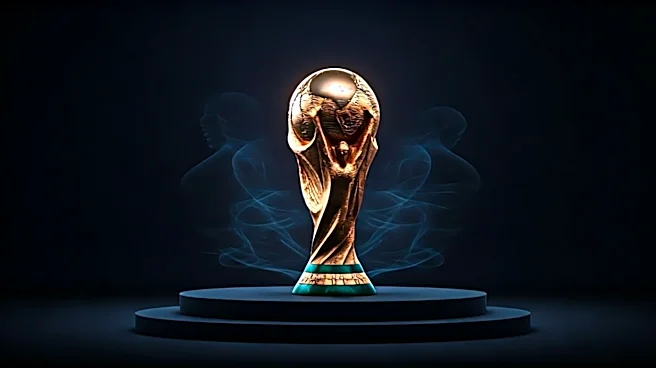
The referee, after consulting with his assistants who had seen the incident on a monitor, brandished a red card. Zidane’s career was over, not with a trophy in his hands, but with an ejection. The image of him walking off the field is one of sport’s most tragic portraits. As he headed for the tunnel, he passed just feet away from the gleaming gold World Cup trophy he had come so close to winning again. He didn't look at it. Without their captain and talisman for the ensuing penalty shootout, France’s spirit was broken. They lost. The reckless challenge hadn't just ended Zidane's night; it had arguably cost his country the World Cup. The years of preparation, the masterful performances leading up to that moment, were all overshadowed by a few seconds of lost control. The foundation of a perfect legacy had crumbled in an instant.
A Legacy Forever Complicated
Did the headbutt 'destroy' Zidane’s career? No. His records stand, his highlight reels are still breathtaking, and he remains one of the greatest to ever play the game. But the incident undeniably tarnished it. It added a permanent asterisk, a question mark that can never be erased. Instead of being remembered solely for his grace, he is also remembered for his rage. The moment serves as a universal cautionary tale, extending far beyond the sports world. It demonstrates how years of discipline, hard work, and meticulous preparation can be undone by a single, emotional lapse. It proves that legacy isn't just about the sum of your successes; it’s also defined by your most visible failures. The final image of Zinedine Zidane the player isn’t him lifting a trophy, but him walking away from one in disgrace.