
The Counter-Programming of Quiet
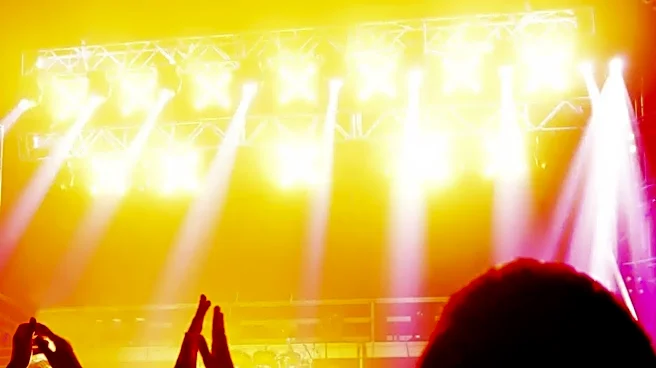
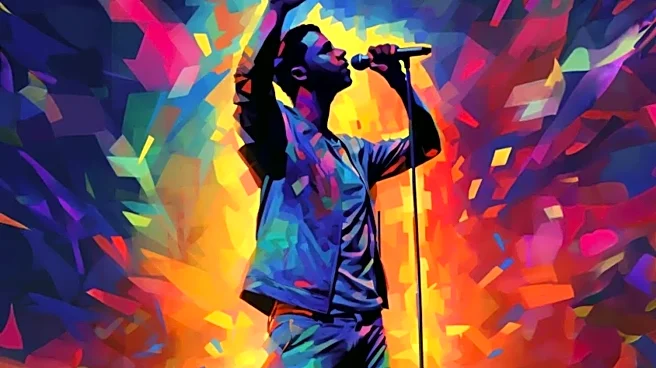
A modern music festival is a sensory assault. Stage after stage competes for attention with overwhelming sound, dazzling light shows, and pyrotechnics. In this environment, the boldest move isn't to be louder; it's to be quieter. When an artist like Hozier
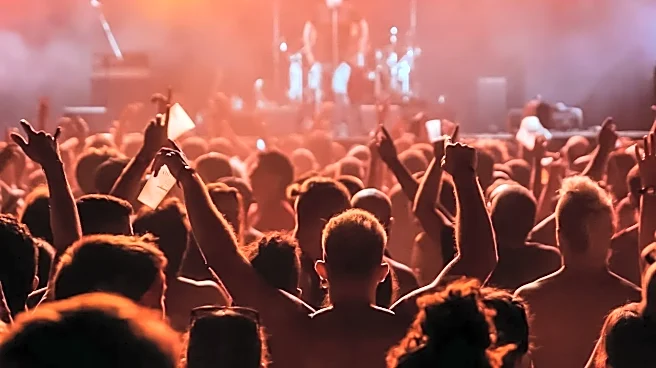
or Maggie Rogers steps onto a massive stage, they offer an immediate contrast. By stripping away the layers, they invite the audience into a different kind of space—one built on intimacy rather than intensity. This sonic minimalism acts as a palate cleanser. For a crowd that has been bouncing to DJs and rock bands for hours, a moment of acoustic clarity can feel revolutionary. It forces tens of thousands of people to lean in and listen, creating a shared, focused experience that spectacle-heavy shows often struggle to achieve. The silence between notes becomes as powerful as the notes themselves, turning a field of strangers into a temporary congregation.
When the Song Is the Spectacle
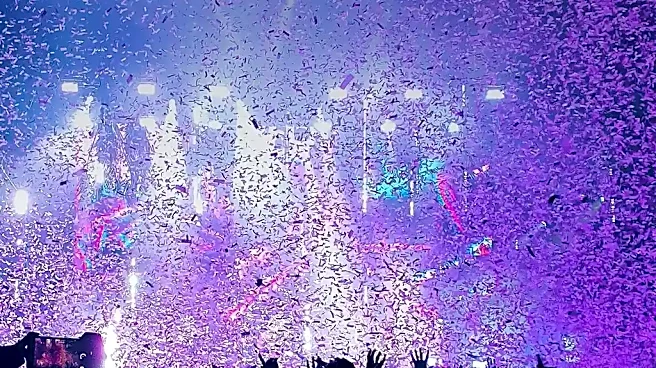
For a singer-songwriter, the spectacle isn't visual; it's lyrical. Artists who thrive in these settings are masters of storytelling. The fireworks are embedded in the verses and choruses. A folksinger like Noah Kahan, for example, can make a stadium feel like a small-town bar by singing with raw, relatable honesty about anxiety, loss, and home. Reviews of his live shows consistently note his ability to make enormous venues feel intimate, turning personal stories into anthems for thousands. The connection is forged through shared emotion and narrative. When a crowd sings back every word to a deeply personal song, they are no longer passive observers. They are active participants in the story. This communal catharsis is a powerful force, creating a sense of unity that no confetti cannon can replicate.
The Power of Awkward, Honest Banter
Spectacle-driven performances are often meticulously choreographed, leaving little room for spontaneous interaction. The singer-songwriter, on the other hand, weaponizes authenticity. The moments between songs are just as crucial as the music itself. Artists like Noah Kahan and Maggie Rogers are known for their genuine, often funny, and sometimes vulnerable stage banter. Kahan might joke about his own anxieties or the sad nature of his songs, immediately creating a familiar rapport with the audience. Rogers has been praised for making even corporate-sponsored events feel personal and heartfelt. This honesty shatters the barrier between performer and audience. It’s a reminder that the person on stage is just that—a person. This human connection fosters a unique loyalty and affection. When Maggie Rogers paused a hot festival set to make sure a fan in the crowd was okay, it created a moment of genuine care that resonated deeply. It’s in these unscripted moments that an artist truly commands the stage.
Mastering the Sea of Faces
Ultimately, commanding a festival stage without spectacle is an act of profound confidence in the music itself. It requires an artist to trust that their voice and their stories are enough to hold the attention of a massive, often distracted, audience. It’s a performance style that relies on connection over choreography and vulnerability over volume. Hozier’s ability to blend deep, thoughtful lyrics with a powerful voice allows him to create what reviewers call an “emotional and spiritual experience” even in a field of 50,000 people. He makes the vast space feel personal, forging a direct line to the audience through sheer vocal and lyrical power. These artists don't try to fill the physical space with props; they fill the emotional space with feeling, proving that sometimes the most powerful performance is also the most human.