


The Gentle Art of Soft Structure
Not long ago, a 'power suit' meant sharp shoulders, a nipped-in waist, and fabric so stiff it could practically stand on its own. Today, that power comes from a place of ease. The movement toward softer structure is about embracing clothes that flow with
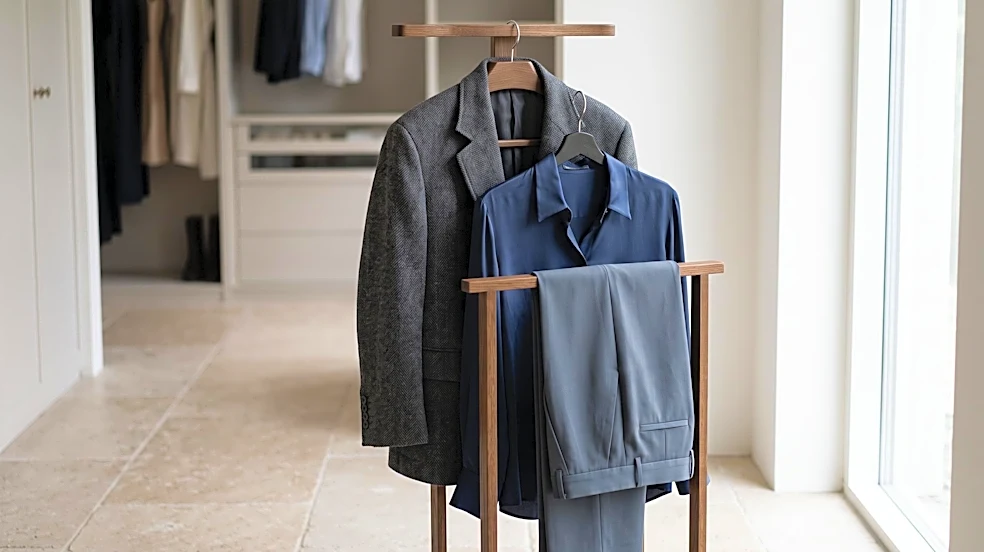
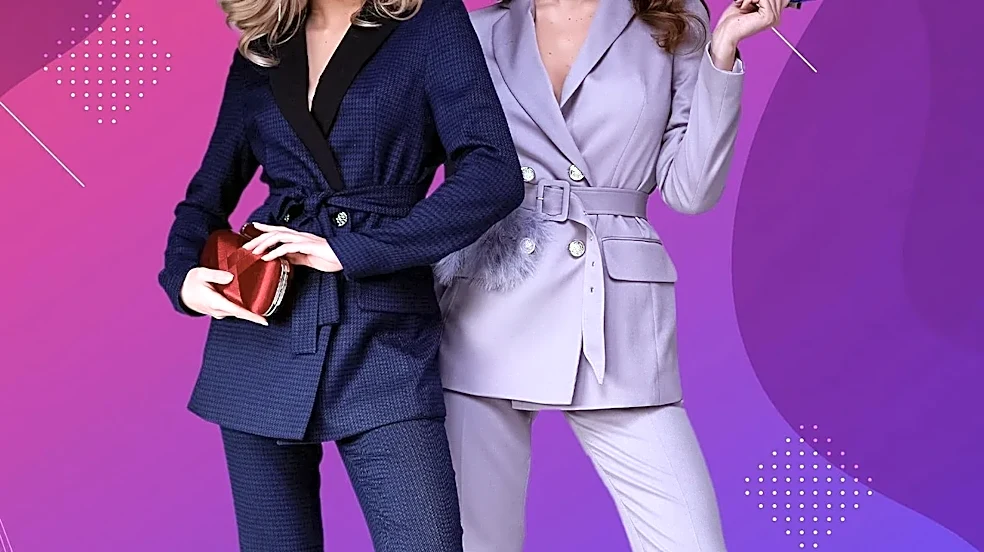
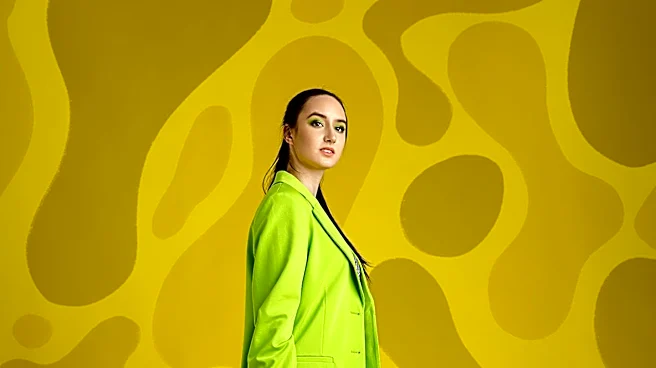
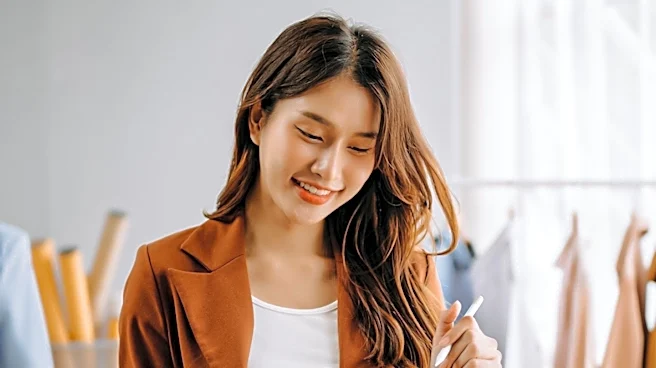
the body instead of fighting against it. Think of it as 'relaxed tailoring'. Blazers are unstructured, with natural shoulders and minimal-to-no padding. Trousers are cut wider, falling in a fluid line rather than clinging to the leg. This isn't about looking sloppy or oversized; it's about a deliberate choice for silhouettes that offer freedom of movement. The new ideal is a jacket that feels more like a substantial cardigan and pants that are as comfortable as your favorite loungewear but polished enough for the office. This shift signals a broader cultural move away from prescriptive formality and toward a more personal, lifestyle-driven approach to getting dressed. It’s polish, but on your own terms.
Layering Gets Smarter, Not Bulkier
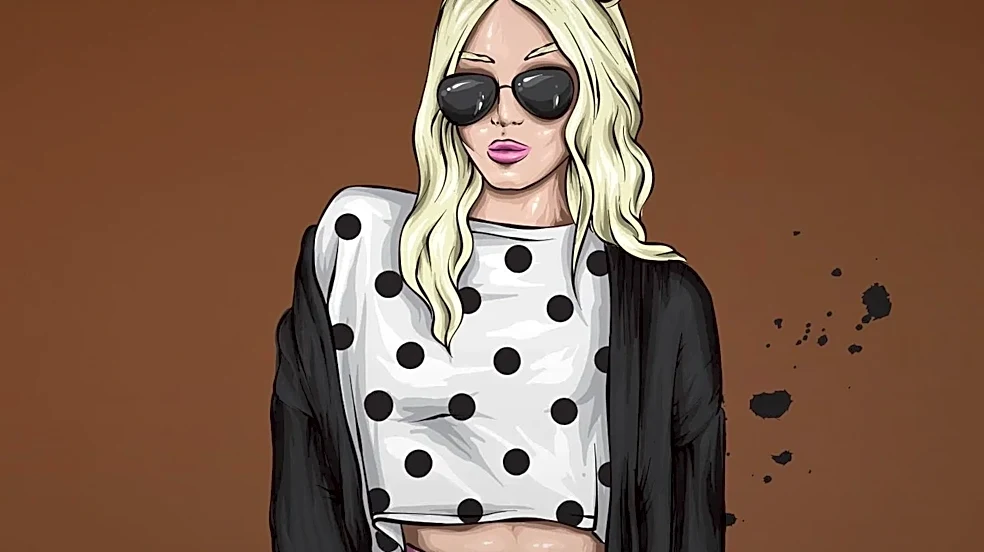
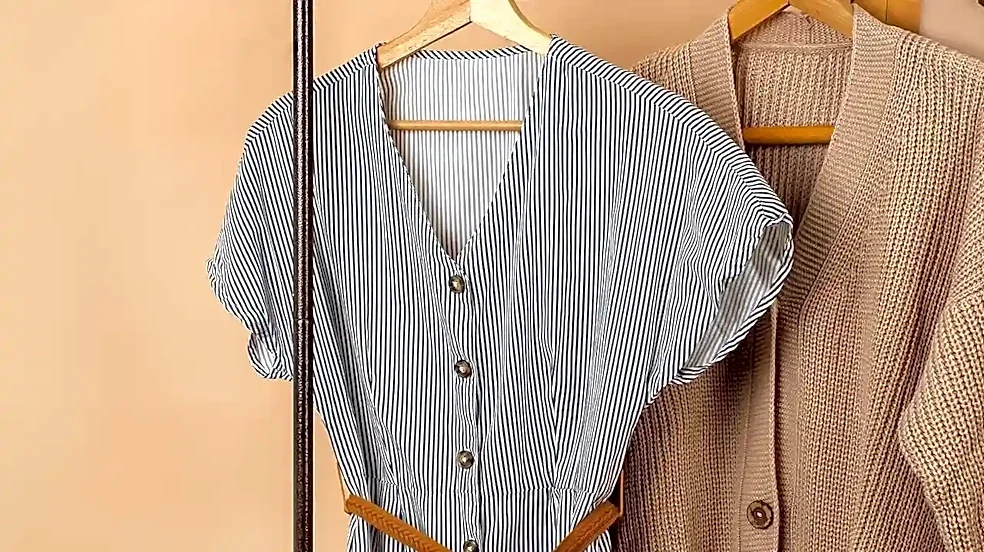
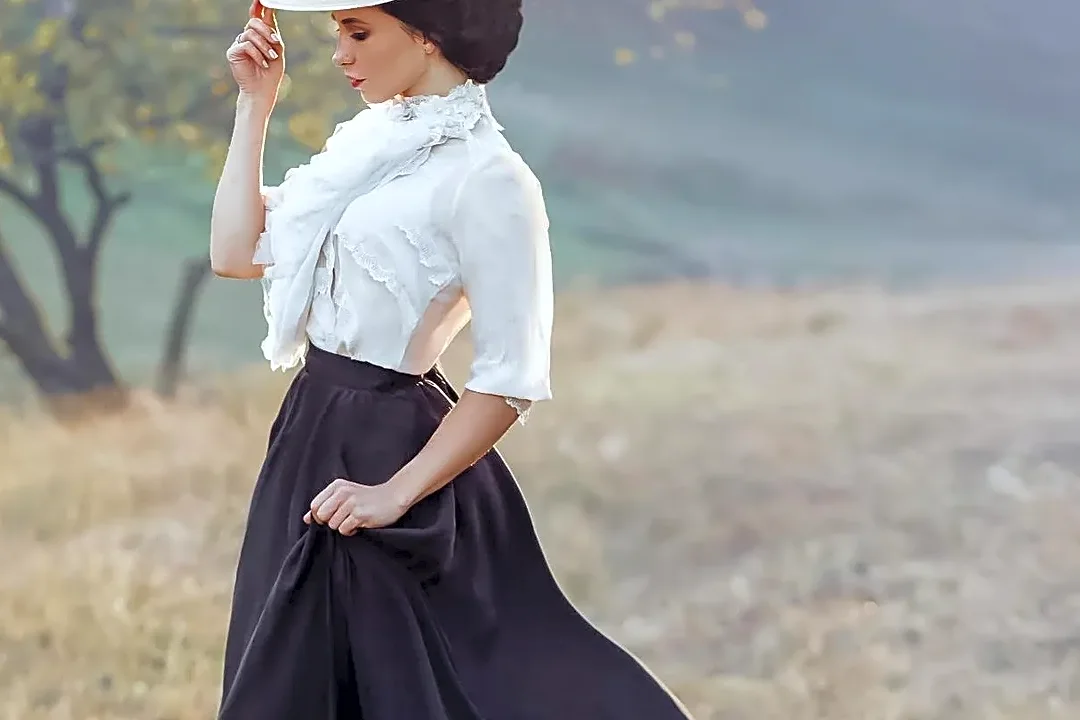
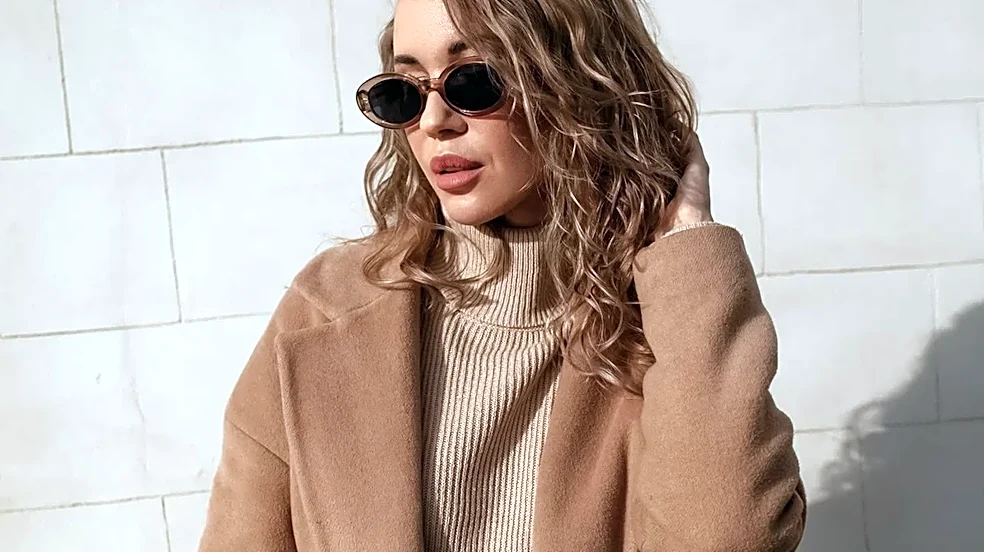
Layering used to be a purely practical response to cold weather. Now, it's a styling technique in its own right, focused on creating adaptable, dynamic outfits. The new approach, sometimes called 'strategic layering', is about building a look in intentional levels: a slim base, a textural mid-layer, and a structured outer layer. Success isn't about piling on volume, but about mixing proportions and textures. A fitted turtleneck might peek out from under a crisp button-down shirt, which is then worn open under a relaxed trench coat. Each layer can be removed or added as your day and environment change, and the outfit still looks complete. Key pieces in this new system include lightweight knits, vests, overshirts, and slip dresses that can be worn over long-sleeve tees. The goal is versatility and visual interest, where every collar, cuff, and hem is part of a considered whole.
Why Comfort Is the New Currency
So, what’s driving this collective sigh of relief in our wardrobes? The seeds were planted before 2020, but the global pandemic accelerated the 'casualization' of fashion at an incredible pace. Months of working from home permanently altered our tolerance for discomfort. As hybrid work schedules became the norm, so did the need for a wardrobe that could seamlessly transition from a video call at the kitchen table to an in-person meeting. This isn't just about sweatpants; it's about a fundamental shift in consumer priorities toward wellness and ease. We now expect our clothes to be functional and adaptable, supporting our lifestyles rather than dictating them. This has led to a boom in high-quality, comfortable fabrics like cotton blends, knits, and performance materials that look polished but feel effortless to wear. Style and comfort are no longer seen as opposites but as essential partners in the modern wardrobe.
How to Embrace the New Ease
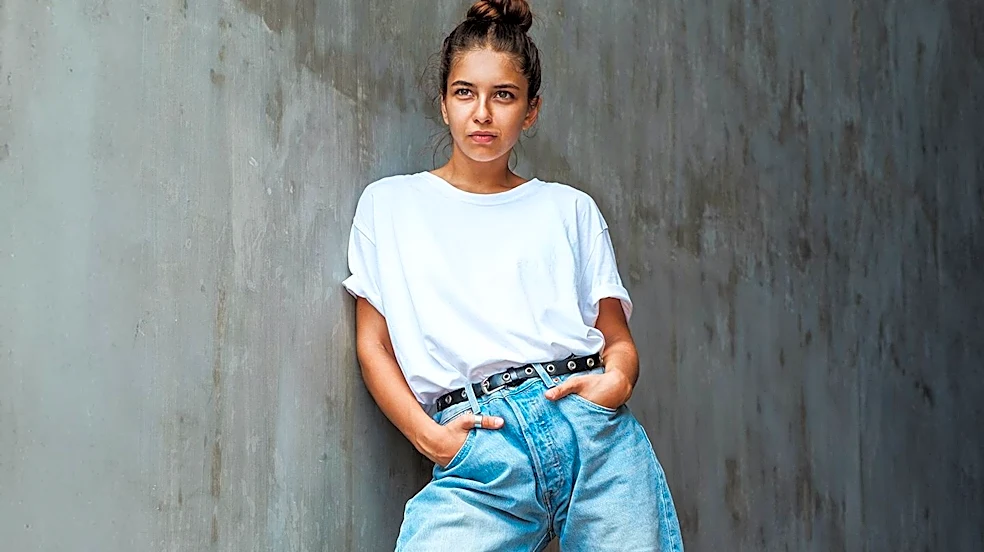
Incorporating this softer, layered look into your own wardrobe doesn’t require a complete overhaul. It's about a few key swaps and a shift in mindset. Start by trading a traditionally structured blazer for an unlined, relaxed-fit version. Look for wide-leg or straight-leg trousers in fabrics that drape, like tencel or soft wool blends. Build a foundation of high-quality base layers: fitted long-sleeve tees, tank tops, and fine-gauge knits in neutral colors. These are the workhorses of any layered look. From there, play with combinations. Try a knit vest over an oxford shirt or leave your trench coat open to show the layers beneath. The key is balancing proportions—if you go for volume on top with an oversized coat, keep the layer underneath more streamlined. Finally, don't underestimate the power of a single great accessory, like a belt to cinch a soft jacket or a scarf to add a final touch of texture.