



The Case for Action: Sunshine and Spectacle
Summer action is the cinematic equivalent of a perfect beach day: it’s bright, loud, and built for pure, uncomplicated enjoyment. This genre uses summer less as a theme and more as the ultimate high-definition backdrop. Explosions seem bigger against
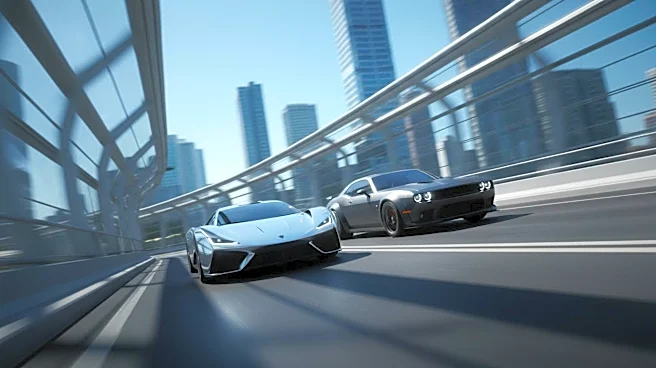
a clear blue sky, car chases feel faster on sun-baked asphalt, and heroes look cooler with a lens flare glinting off their sunglasses. The season provides the excuse for spectacle; it's when aliens invade, superheroes assemble, and spies save the world, conveniently while everyone is out of school and ready to buy a ticket. The quintessential summer blockbuster was born from this mold with Jaws in 1975. While technically a horror film, its massive success established the summer event movie template: a high-concept thrill ride released wide to massive audiences. Since then, films like Independence Day, the Transformers series, and countless superhero epics have treated summer as the biggest, most vibrant stage for chaos. The season is the setting, but the action is the star. It's a formula that promises escape and delivers a rollercoaster ride, leaving you breathless but rarely changing how you see the season itself.
The Case for Horror: The Rot Beneath the Radiance
Where action uses summer as a stage, horror weaponizes it. The genre’s greatest trick is subverting everything we love about the season. Sunshine, which should be comforting, becomes oppressive and exposing. In films like Midsommar, the perpetual daylight of a Swedish festival isn't a reprieve from darkness but a new kind of prison, where evil happens out in the open, with nowhere to hide. The summer vacation, a time of freedom, becomes a trap in movies like The Texas Chain Saw Massacre or Us. The idyllic summer camp, a place of youthful awakening, turns into a hunting ground in the Friday the 13th franchise, where nature itself seems to conspire with the killer. Horror understands the psychology of summer. It knows that the heat can breed madness, that isolation is more terrifying in a place that’s supposed to be fun, and that peeling back the sunny exterior of a perfect town or family can reveal something monstrous. Action movies give you a fun afternoon; summer horror movies can make you second-guess your entire vacation. They don't just happen during summer; they infect the very idea of it.
The Verdict: Why Horror Wins the Summer
While the visceral thrill of a summer action movie is undeniable, its use of the season is often superficial. It’s a backdrop, a condition, a market-friendly release window. Action movies could, with a few tweaks, take place in the spring or fall. But the best summer horror is inextricably linked to the season it portrays. Its power comes from the deep, unsettling contrast between what summer should be and the nightmare it becomes. Horror’s approach is more ambitious and artistically potent. It takes our shared cultural understanding of summer—a time of warmth, freedom, and community—and twists it into something isolating and terrifying. An action movie might make you cheer, but a great summer horror film like Jaws can make an entire generation afraid to go in the water. It lingers in the psyche long after the credits roll, transforming a beautiful day at the beach or a quiet cabin in the woods into a source of primal dread. Action provides a temporary escape from the heat; horror makes the heat itself part of the threat. For its sheer psychological audacity and lasting cultural impact, horror doesn't just use summer better—it owns it.