



Performance-First Engineering
At its core, the rise of the mesh back isn’t a fashion-first decision; it’s rooted in pure performance science. Mesh is a marvel of textile engineering, a lightweight, open-knit fabric typically made from synthetic fibers like polyester and nylon. Its
primary job is to provide superior ventilation. Unlike a solid fabric that traps heat against the body, the countless tiny perforations in a mesh panel act as a built-in cooling system. They allow body heat to escape and air to circulate, which is critical during a grueling three-set match under the sun. But ventilation is only half the story. High-performance mesh also excels at moisture management. The synthetic fibers are hydrophobic, meaning they don’t absorb sweat. Instead, they wick moisture away from the skin to the fabric's surface, where it can evaporate quickly. This dual-action of cooling and drying keeps a player more comfortable, lighter, and better able to regulate their body temperature, ultimately preventing overheating and reducing discomfort.
Beyond Breathability: The Style Statement
While the functional benefits are clear, designers have elevated mesh from a purely utilitarian feature into a key aesthetic element. The modern tennis tank no longer just has a functional mesh panel slapped on the back; the mesh is integrated into the very design and silhouette of the garment. Brands are using mesh to create visual interest and shape. You’ll see tanks with elegant, full-mesh racerbacks that highlight an athlete’s physique, as well as tops with strategically placed mesh inserts that create geometric patterns or a layered look. Some designs use a very fine, almost sheer mesh for a subtle, sophisticated effect, while others opt for a large-hole, basketball-inspired mesh for a bolder, more aggressive style. This deliberate use of texture breaks up the solid block of color typical of older athletic wear, giving the apparel depth and a more contemporary feel. The mesh back, in essence, has become a canvas for designers to play with transparency, form, and fashion.
From Grand Slams to Local Courts
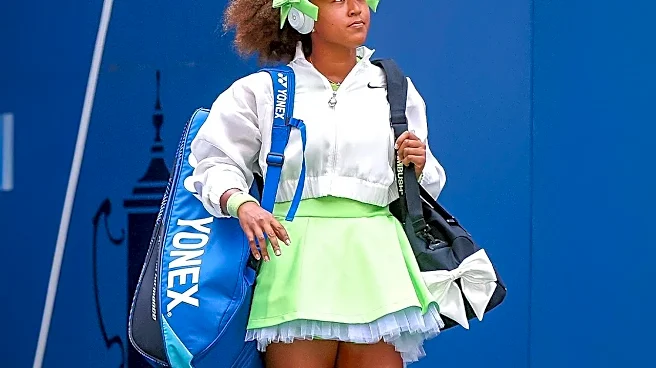
Trends in tennis are often set from the top down, and the mesh-back tank is no exception. When a top-ranked player debuts a new kit at a Grand Slam, it instantly becomes a focal point for fans and amateur players alike. Brands like Nike and Adidas strategically use major tournaments to launch their latest collections, and athletes serve as their ultimate influencers. For instance, when a player like Alex Eala is set to wear a new Nike dress featuring prominent mesh panels for the US Open, it validates the design as both performance-ready and fashion-forward. This visibility on the professional tour creates a ripple effect. Recreational players see the styles, recognize the blend of performance and aesthetics, and seek out similar designs for their own games. Retailers stock their shelves accordingly, and soon, what was once an elite piece of technical gear becomes a staple at clubs and public courts across the country.
The Broader Athleisure Effect
The mesh-back trend isn't happening in a vacuum. It’s part of a larger movement in sportswear that blurs the lines between on-court performance and off-court style. The rise of “athleisure” culture means that athletic apparel is expected to look good enough to be worn beyond the gym or court. Designers are responding by incorporating more fashion-forward elements into technical garments. Adidas’s recent collections for the 2026 U.S. tennis season, for example, feature not only advanced cooling technologies but also fashion-centric details like lace, satin, and expressive cut-outs inspired by 1990s culture. This fusion of function and fashion means that a technical feature like a mesh back is no longer just about keeping an athlete cool; it's about making them look cool, too. It fits perfectly into a world where a tennis tank needs to perform during a match and look stylish for a post-match coffee.