


The TikTok-to-Costume Pipeline
Long before a movie’s wide release, the hype machine is already churning on social media. A single trailer can provide enough material for a new Halloween trend to take root. Platforms like TikTok and Instagram act as virtual costume workshops where fans
dissect, recreate, and remix looks. A specific hairstyle, a signature prop, or a memorable line of dialogue can become a viral audio clip or a GRWM ('Get Ready With Me') video, creating a groundswell of interest. Makeup tutorials for characters from anticipated films often appear just hours after promotional images are released. This user-generated content acts as a powerful, organic marketing engine, demonstrating not just what a character looks like, but how accessible the look is for the average person to create at home.
Character Design as Instant Cosplay
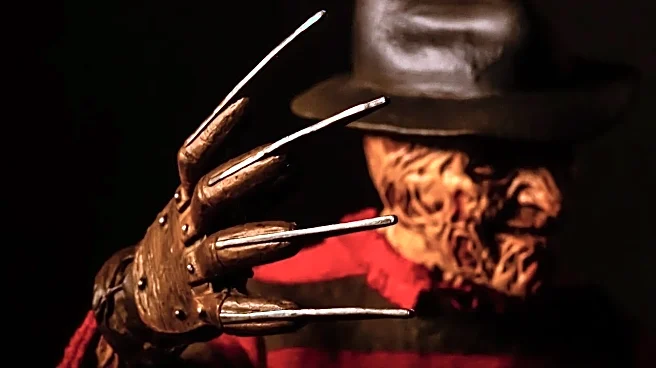
Filmmakers and costume designers are increasingly aware of this dynamic. While storytelling remains paramount, modern character design often prioritizes looks that are visually striking and immediately recognizable. Consider the enduring appeal of Beetlejuice's black-and-white striped suit or the Joker's vibrant, unsettling attire—these are costumes practically designed for replication. Recent cinematic offerings continue this trend, with villains and anti-heroes often getting the most memorable outfits. The distinct suits seen in "Joker: Folie à Deux" or the gothic styles from "Beetlejuice Beetlejuice" are perfect examples of cosplay-ready designs that fans can latch onto. These looks are not just clothing; they are personality statements, making them irresistible for those looking to embody a character for a night.
Studios Are Leaning In
Movie studios and consumer product divisions no longer wait for Halloween trends to emerge organically; they actively cultivate them. It’s now common for studios to collaborate with costume companies like Spirit Halloween well in advance of a film's premiere. These partnerships ensure that officially licensed costumes, from dresses to full suits, are on store shelves the moment the movie starts gaining traction. This strategy is a win-win: the studio gets a powerful marketing tool that extends the film's cultural footprint, and the costume companies capitalize on the built-in hype. By making costumes readily available, they remove the friction for casual fans who love a character but might not have the time or skill for a DIY project.
More Than Just a Costume
Ultimately, the rapid adoption of movie-inspired looks is about more than just Halloween. It's a form of active fan participation. Dressing up as a character is a way to celebrate a film and connect with a community of like-minded people online and in person. It transforms passive viewing into a participatory experience. In an era where online engagement is a key metric of success, encouraging fans to become the characters is one of the most effective ways to ensure a film dominates the cultural conversation. It's a visual endorsement that spreads across social feeds, turning every fan in a costume into a walking advertisement and solidifying a character's place in the pop culture landscape for years to come.