






The Party vs. The Coronation
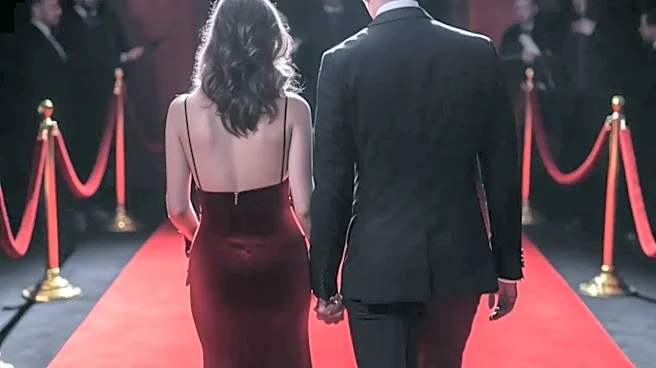
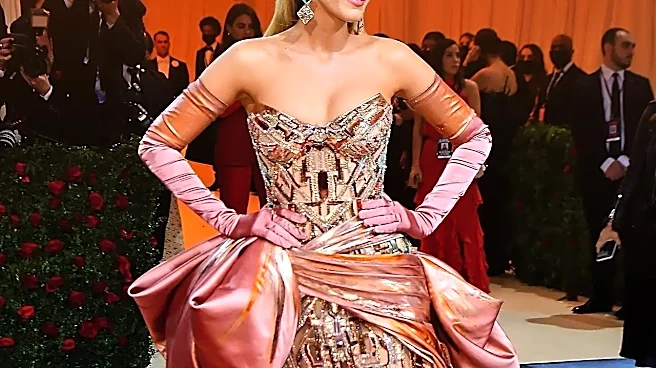
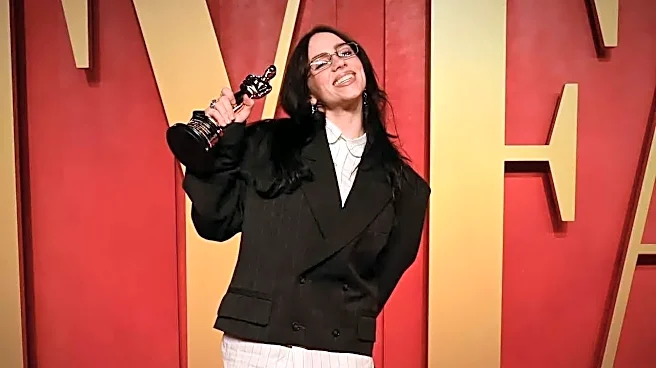
At its core, the difference comes down to brand identity. The Academy Awards is Hollywood’s most prestigious institution, a night meant to honor a century of cinematic legacy. Its brand is elegant, exclusive, and formal. The fashion reflects this: classic
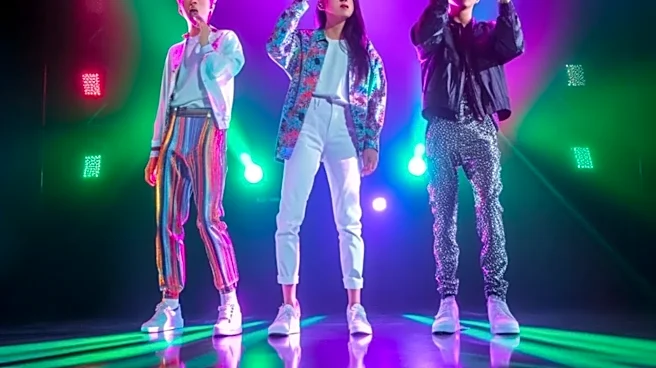
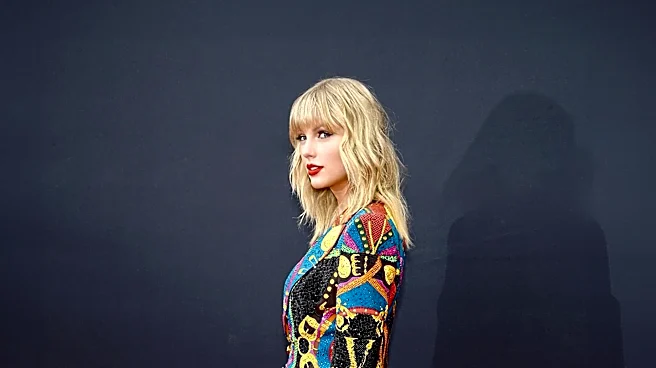
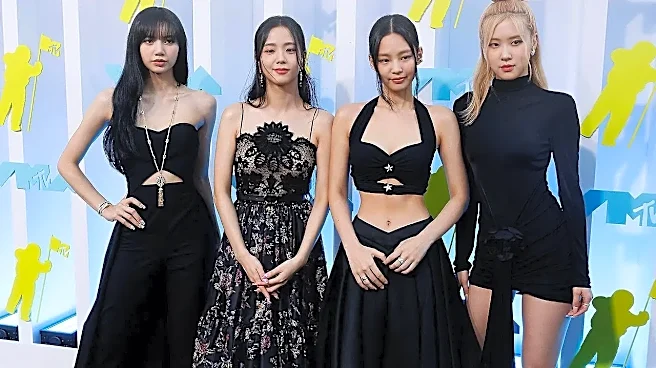
silhouettes, couture gowns, and priceless jewels. It's a coronation. The MTV VMAs, on the other hand, position themselves as the “ultimate anti-academy awards.” Born from the rebellious spirit of music television, the VMAs are a celebration of youth culture, viral moments, and disruptive energy. The red carpet is not a formal procession; it’s a chaotic, anything-goes party where the goal is to grab headlines. The fashion is expected to be experimental, skin-baring, and even shocking. One is about respecting history; the other is about making it.
Risk, Reward, and Reputation
For a fashion designer, these two events represent entirely different strategic opportunities. Dressing an Oscar nominee is about solidifying a brand’s prestige. A placement on a major nominee can generate immense media value and associate a designer with elegance and achievement. Stylists and brands often opt for timeless, glamorous looks that celebrate the artist's accomplishment without overshadowing it. The goal is to land on a “Best Dressed” list for sophistication, not for shock value. The VMAs are the polar opposite. This is the arena for risk. Musicians are seen as bigger risk-takers than actors, less constrained by perception. For a designer, the VMAs are a chance to create a viral sensation. Think of Lil' Kim's 1999 purple pasty jumpsuit or Lady Gaga’s 2010 meat dress. These moments are not just outfits; they are legendary pop culture statements that are remembered for decades. A provocative VMA look can put an emerging designer on the map overnight or reinforce a major brand’s cultural relevance in a way a safe Oscar gown never could.
The Stakes for the Star
The calculus is just as different for the celebrities themselves. An actor at the Oscars, particularly a nominee, is playing a long game. Their look is part of a carefully managed career narrative. A classic, elegant gown from a major house like Dior or Armani reinforces their status as a serious, A-list talent. It’s about securing a legacy. A misstep can be seen as a distraction from their professional achievement. For a musician at the VMAs, the fashion is the performance. An outrageous outfit can define an era, generate buzz for a new album, or simply keep them at the center of the cultural conversation. Macy Gray literally wore a dress in 2001 with her album release date on it. It’s a platform for self-expression and brand building where the only real fashion crime is being boring.
The Audience and the Afterlife
Finally, designers consider who is watching. The Oscars audience is broad, skewing older, and the coverage is dominated by legacy media outlets that value tradition and glamour. The media impact is measured in billions, but the tone is one of reverence. The VMAs, in contrast, are built for a younger, social media-native audience. The event thrives on memes, GIFs, and TikTok clips. A look is successful if it’s instantly shareable and sparks conversation online. While a worst-dressed look at the Oscars can be a minor embarrassment, a controversial VMA outfit can become an iconic badge of honor, endlessly referenced and replicated. Designers know that a VMA look's afterlife on social media can be more powerful than its initial appearance on the red carpet, making a bold, risky choice a smart investment in cultural relevance.