




The Roar and the Silence
The first instrument in this brutal orchestra is the crowd. It is a wall of sound, a tempest of whistles, jeers, and frantic chants designed to either fortify a hero or shatter a nerve. For the home team’s kicker, it’s a wave of hopeful energy. For the opponent,
it’s a psychological assault. Yet, for many players, this cacophony fades into an unnerving silence. Under extreme stress, the brain can trigger auditory exclusion, a tunnel-like state where the roaring stadium becomes a distant hum. Players often report hearing nothing but their own breathing or the frantic thump of their own heart. This sudden, profound quiet in the midst of chaos is where the walk earns its name—a moment of pure, unadulterated isolation.
The Ghost of Penalties Past
No player makes that walk alone; they are accompanied by the ghosts of every great shootout that came before. The specter of Roberto Baggio’s sky-high miss in the 1994 World Cup final looms large, a cautionary tale of how a hero can be undone in a single, devastating moment. Conversely, the memory of Antonin Panenka’s audacious chip in 1976 or Zinedine Zidane’s cool-headed conversion in the 2006 final serve as inspiration. This history is part of the internal monologue. It’s a library of triumph and failure that plays in a player's mind, a reminder of the razor-thin line between glory and infamy. The pressure is not just to score for your team, but to either avoid or embrace your place in that lineage.
The Internal Battle
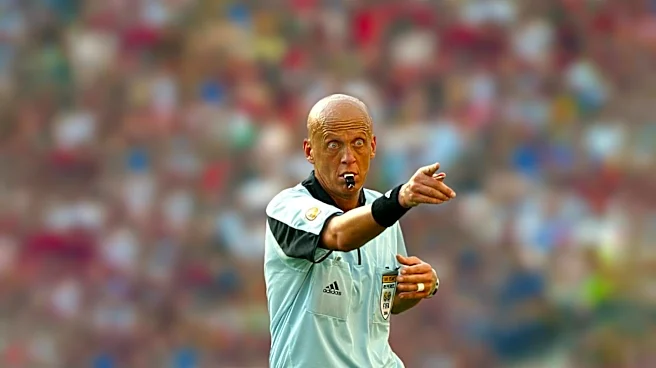
The psychological battle is often won or lost before the ball is even touched. Players are exhausted, having already run for 120 minutes. Fatigue makes focus a precious commodity. The mind becomes a battleground between routine and doubt. Studies show that players who rush the kick, responding in under a second to the referee's whistle, have a significantly lower success rate. The best takers use that moment to compose themselves, to take a breath, and to commit to a plan. It's a fight against what psychologists call "loss aversion"—the fear of being the one who fails is a far more powerful emotion than the joy of scoring. Players report their legs feeling like jelly, a physical manifestation of the mental war being waged within. As French great Alain Giresse recalled of the first-ever World Cup shootout, players were already taking off their boots, saying, "Not me!".
The Unplayed Music
Unlike many American sports, where dramatic moments are often accompanied by a curated, in-stadium soundtrack, the penalty shootout’s power comes from its raw, human soundscape. There is no Jock Jams or “Seven Nation Army” to artificially heighten the mood. The only music is the collective inhale of 80,000 people, the frantic shouts of teammates, the referee's sharp whistle, and finally, the pure, clean connection of leather on leather followed by either an explosion of joy or a collective groan. That organic sound is what makes the moment so compelling. It's a drama that needs no producer, a script written in real-time by hope and fear. It is football stripped back to its most primal, personal, and suspenseful core.