
Step 1: Know Your Audience
Before a single title is suggested, you need to survey your viewing party. The most important step in avoiding conflict is understanding everyone's scare tolerance. This isn't about calling people out;
it's about making sure the night is fun for all. Create simple, no-judgment categories. Are they a "Hardcore Horror" fan who loves jump scares and gore? A "Psychological Thriller" aficionado who prefers suspense over slashers? Maybe they're in the "Spooky, Not Scary" camp, preferring vibes over violence. And don't forget the "Comedy and Camp" crowd, who want their Halloween with a side of laughter. Getting a read on the room prevents you from programming a terrifying slasher for a group that just wants to watch "Hocus Pocus."
Step 2: Theme It to Win It
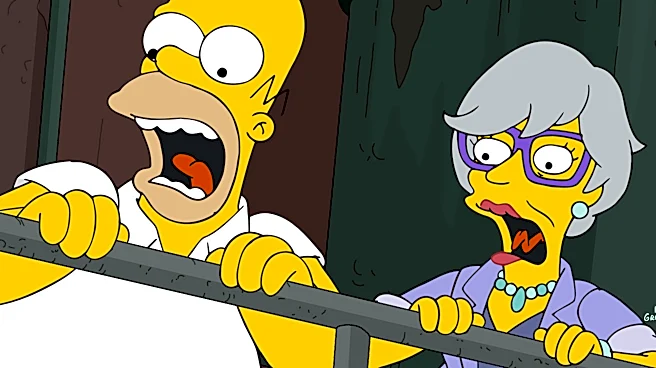
An open-ended "What should we watch?" is a recipe for disaster. A theme narrows the options and creates a more curated experience. A theme can be based on a subgenre, an era, or a specific mood. Consider a "Classic Monsters Night" with Frankenstein and Dracula, or an '80s and '90s nostalgia-fest featuring beloved sitcom Halloween specials. You could do an entire evening of animated specials, from "It's the Great Pumpkin, Charlie Brown" to the many "Treehouse of Horror" episodes from "The Simpsons." A theme provides a framework, turning a potential argument into a collaborative creative session. It also helps manage tonal shifts, ensuring you don't jump from a lighthearted kids' special directly into a deeply disturbing art-house horror film.
Step 3: The Art of the Slow Scare
Pacing is everything. A great marathon doesn't start at full intensity; it builds. A proven strategy is to ramp up the scare factor throughout the day or night. Start with the family-friendly or purely comedic options in the afternoon or early evening. This is the perfect slot for animated classics or lighthearted favorites that get everyone in the Halloween spirit without raising anyone's heart rate too much. As the evening progresses and perhaps some of the more scare-sensitive viewers (or children) have gone to bed, you can gradually introduce more suspenseful or genuinely frightening content. This approach ensures that everyone gets to participate in the fun for a portion of the marathon, and those who came for the serious scares will have their patience rewarded.
Step 4: Palate Cleansers Are Your Friend
Even the most dedicated horror fans can benefit from a break in the tension. That's where palate cleansers come in. A great way to do this is by weaving in Halloween-themed episodes from non-horror TV shows. Think of iconic sitcom episodes from shows like "Friends" or "Cheers," or the spooky specials from animated hits like "Bob's Burgers" or "Rugrats." These episodes are often funny, nostalgic, and provide a welcome dose of levity between more intense films. They act as a pressure release valve, allowing the group to laugh and reset before diving back into the frights. A 22-minute sitcom episode is the perfect intermission to grab more snacks without losing the Halloween momentum.
Step 5: Curate a Menu of Choices
Now, assemble your options based on the previous steps. Instead of one rigid schedule, present a menu categorized by intensity. For the "Genuinely Not a Fan of Scares" group, offer choices like "The Great Pumpkin," "Muppets Haunted Mansion," or "Halloweentown." For the "Spooky & Fun" crowd, suggest titles like "Beetlejuice," "Ghostbusters," or "What We Do in the Shadows." The "Classic Frights" tier could include episodes of "The Twilight Zone" or foundational films like "Halloween." Finally, for the "Bring On the Nightmares" crew, you can queue up the truly intense modern or classic horror that the rest of the group happily opted out of. This tiered approach respects everyone's preferences and makes the final selection a democratic process.