




More Than Just a Ticket
At first glance, the price difference is staggering. A standard General Admission (GA) pass for EDC Las Vegas might set you back around $500, but a VIP ‘Enhanced Experience’ ticket can easily soar past $1,200. That’s more than double the price for entry
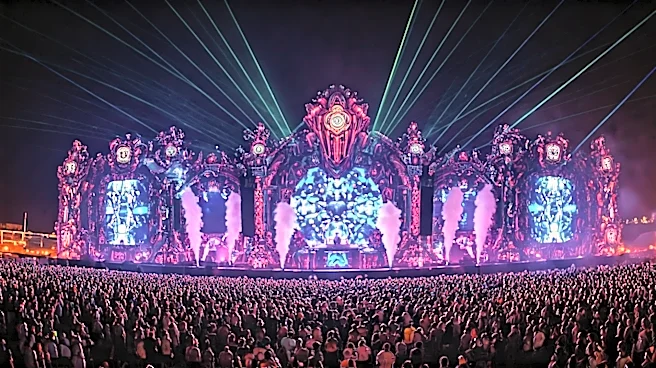
to the same festival grounds. So, what transforms a ticket into an ‘experience’? The answer lies in a carefully crafted ecosystem designed to solve the biggest pain points of attending a mega-festival. It’s not just about seeing the same DJs from a slightly different angle; it’s about buying your way out of the grind that comes with gathering 170,000 people in the desert for three nights.
The Currency of Comfort
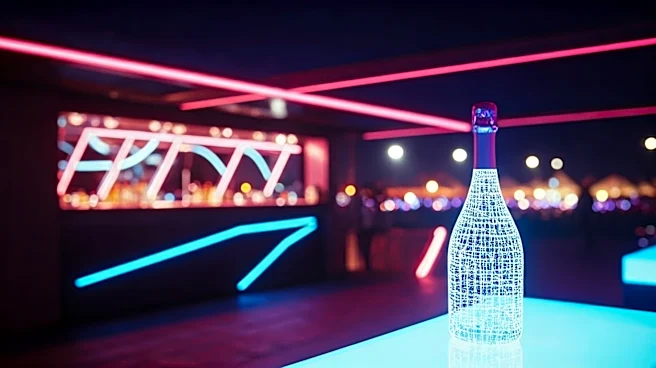
The most visible VIP perks are tangible solutions to logistical nightmares. Think dedicated, expedited entrances that let you bypass the hours-long queues. Imagine clean, air-conditioned bathrooms with no lines, a godsend in the sweltering desert heat. Add to that exclusive viewing areas at major stages like cosmicDAISY and circuitGROUNDS. These elevated platforms offer breathing room and a clear line of sight, a priceless commodity when the main floor is a sea of humanity. There are also dedicated bars selling specialty cocktails, gourmet food options not available elsewhere, and ‘chill zones’ with seating and misters—all designed to provide a refuge from the beautiful chaos of the main festival.
The Organizer's Master Plan
For Insomniac, the company behind EDC, the VIP program is far more than a luxury add-on; it’s a core pillar of its business strategy. This practice, known as price segmentation, is brilliant. By creating tiered experiences, Insomniac can capture the maximum possible revenue from different types of attendees. The person willing and able to spend $1,200 is captured at that price point, while the festival remains accessible to those on a tighter budget. VIPs represent a significantly higher profit margin per person. The infrastructure for them—a few extra trailers for bathrooms, a roped-off viewing deck—costs a fraction of the revenue they generate. This high-margin income helps subsidize the enormous fixed costs of the festival, from artist fees to the mind-bending stage production that benefits everyone.
Beyond Logistics: The Status Signal
The economics aren’t just about comfort; they’re also about status. A VIP wristband is a visible signal. It provides access to an intangible sense of exclusivity and ease. For a certain demographic, the ability to navigate the festival without friction is the entire point. It’s less about roughing it for the love of the music and more about enjoying a curated, premium version of the event. This creates a powerful aspirational pull. A GA attendee sweating in a long drink line might see the breezy VIP bar and think, ‘Next year, that’ll be me.’ This dynamic helps ensure a steady future demand for higher-tier tickets, turning a one-time splurge into a recurring goal for a segment of the audience.
The Ripple Effect on the Festival Floor
Does the VIP world detract from the general admission experience? It’s a common debate. On one hand, VIP areas can cordon off some of the best real estate, pushing GA crowds further back or into more congested spaces. On the other hand, the financial success of the VIP program is what enables the festival to exist on such a grand scale. The revenue from high-rollers helps pay for the jaw-dropping stages, the massive artist lineups, and the free water stations that everyone enjoys. In this view, VIPs are effectively patrons whose premium payments enhance the overall production value, creating a better, albeit more crowded, festival for all.