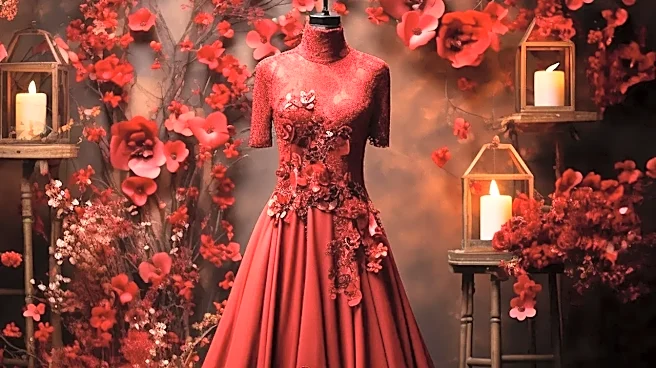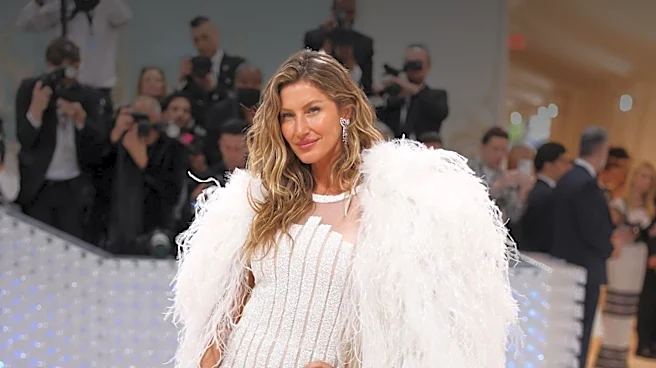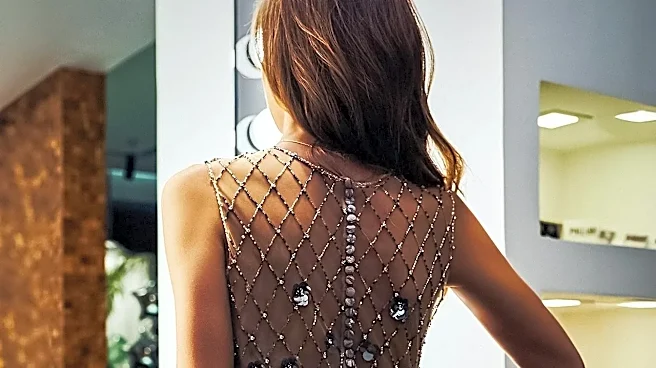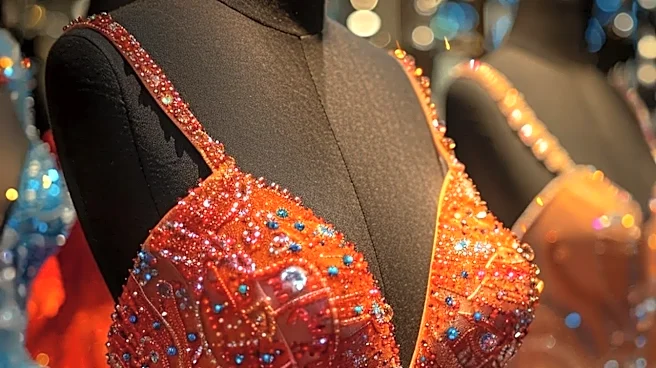



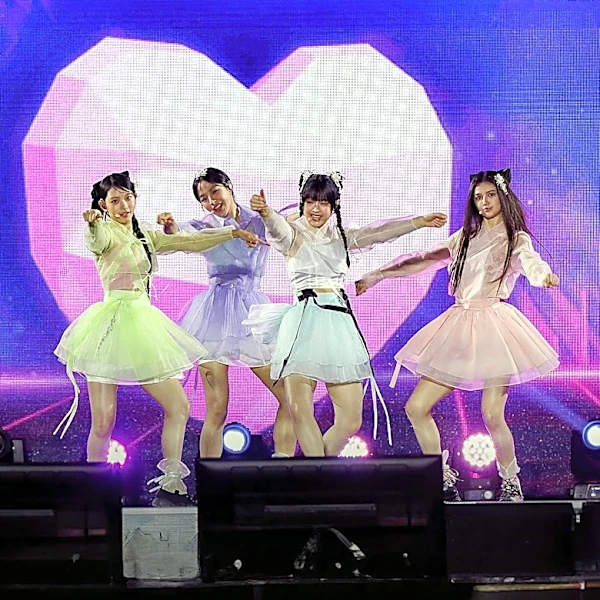

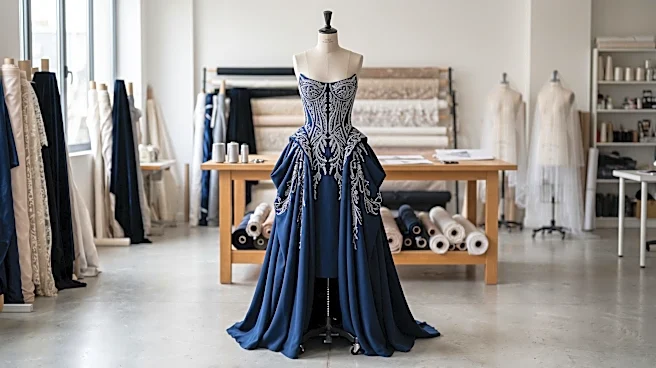
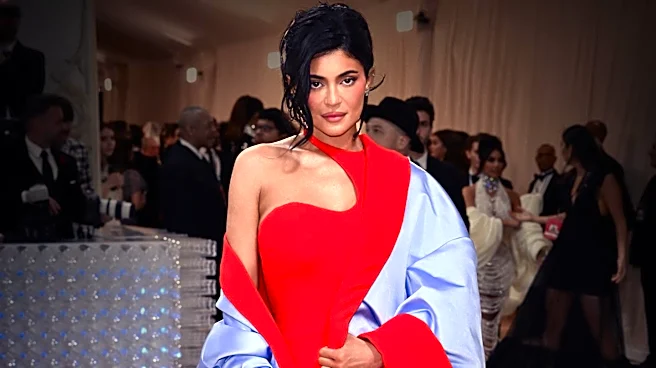


From a distance, a pop star’s glittering tour outfit and an A-lister’s couture gown at the Oscars can seem like cousins. Both are designed to dazzle. But beneath the sparkle, they are built for entirely different worlds. So what really changes?
Purpose: Storytelling vs. A Perfect Moment
The fundamental
difference comes down to purpose. A stage costume is a piece of storytelling equipment. Its job is to help create a character, support a narrative, and function within the world of the production. A designer starts with the script, collaborating with the director and lighting team to decide what the garment needs to communicate. A red-carpet gown, by contrast, is designed for one thing: to create a single, perfect, static image. Its narrative is about the wearer and the designer, crafted for the intense scrutiny of high-definition cameras and flashing lights. While a costume serves the play, a gown serves the person wearing it.
Construction: Built for Abuse vs. Built for Awe
A broadway costume may be worn eight times a week for a year, enduring sweat, quick changes, and intense physical activity. Durability is non-negotiable. Seams are reinforced, stress points like knees and armholes get extra support, and fabrics are chosen for their resilience. Synthetics like polyester or spandex blends are common for their strength and stretch. Quick changes are often facilitated by hidden industrial-strength closures like magnets, heavy-duty snaps, or breakaway zippers. Conversely, a couture gown is often a delicate, single-use masterpiece. It’s built with exquisite, often fragile materials like silk chiffon or hand-embroidered lace. The focus is on flawless, hand-finished details and a fit tailored precisely to a client’s stationary body, not a body in constant, strenuous motion. The construction is an art form meant to be admired up close, not to survive a fight scene.
Materials: Illusion for Distance vs. Flawless Detail
On stage, everything is an illusion designed to be read from 50 feet away under harsh theatrical lighting. A fabric that looks like rich velvet from the back row might be a more durable, breathable, and less expensive synthetic velour. Patterns are often larger and colors more saturated so they don't get washed out by the lights. Sheen is also a major factor; a shiny fabric can create distracting 'hot spots' under spotlights, so matte finishes are often preferred unless a specific reflective effect is desired. For the red carpet, the opposite is true. The camera is inches away. Every thread matters. Designers use genuine luxury materials—fine silks, intricate lace, and real jewels—because their quality is visible in close-ups. The texture and drape of the fabric are paramount, as they won't be altered by colored gels or dramatic stage lighting. What you see is exactly what you get.
Movement : Engineered for Action vs . Designed for a Pose
A stage costume must enable, not restrict, performance. Whether it's for a ballet dancer, a sword fighting actor, or a singer hitting high notes, the garment has to allow for a complete range of motion. Costume makers use gussets in underarms, articulated joints in armor, and four way stretch fabrics to ensure actors can move freely and comfortably. Breathability is also a key concern to prevent performers from overheating under hot lights. A red carpet gown , however , is primarily designed for walking and posing . While a wearer must be able to move gracefully , the garment isn't typically engineered for acrobatics . The structure might be more rigid , the silhouette more restrictive , and comfort can sometimes take a backseat to achieving a dramatic , sculptural shape .