








1. Define 'Fun' Before You Leave
Before you even pack the car, have a quick, low-key chat with your player. The goal isn't to add pressure but to frame the weekend. Instead of focusing solely on winning the cup, set goals like trying a new move, being a great teammate, or shaking hands
with opponents win or lose. When success is defined by effort and attitude rather than just the scoreboard, it lowers the stakes for everyone. This simple reframing can transform a tense, results-driven weekend into a positive developmental experience, reminding kids (and adults) that the love of the game is the real prize.
2. Master the Art of Downtime
The hours between games can be a minefield of overstimulation or exhaustion. Resist the urge to schedule every minute. Packing the weekend with sightseeing or elaborate team dinners can leave players drained for the Sunday morning semi-final. Instead, embrace the 'in-between' moments. A deck of cards at the hotel, a frisbee at a park near the fields, or simply quiet time with a book can be more restorative than a forced-fun activity. Let the kids lead. If they want to chill in the hotel room, let them. Their bodies and minds often know exactly what they need to recharge.
3. Keep the Food Simple and Familiar
A tournament weekend is not the time to experiment with new 'superfood' energy bars or complex pre-game meals. Stick to what your athlete knows and likes. Pack a cooler with familiar, easy-to-digest snacks: bananas, pretzels, granola bars, cheese sticks, and plenty of water. The goal is consistent, simple fuel, not a gourmet science experiment. Having these items on hand saves you from relying on overpriced and often unhealthy concession stand food. It also provides a sense of normalcy and comfort in an otherwise chaotic environment.
4. Protect the Car Ride Home
The car ride is a sanctuary, not a film room. Whether it's the ride back to the hotel after a tough loss or the long drive home on Sunday, avoid the temptation to immediately break down the game. Young players, especially after a loss, need space to process their own feelings. Forcing a tactical post-mortem can feel like a critique when they're at their most vulnerable. Instead, put on their favorite music, ask what the funniest moment of the day was, or just let the conversation flow naturally. Let them bring up the game if and when they’re ready.
5. Make Sleep the Real MVP
In the battle between a late-night hotel pool party and a good night's sleep, sleep should win every time. It’s the single most important factor for physical recovery, emotional regulation, and on-field performance. While team bonding is important, it doesn't need to happen at 10 p.m. in the hotel hallway. Establish a reasonable lights-out time and stick to it. A well-rested team is a happier and more resilient team, better equipped to handle the emotional and physical demands of a long tournament day.
6. Pack for Comfort, Not Just the Game
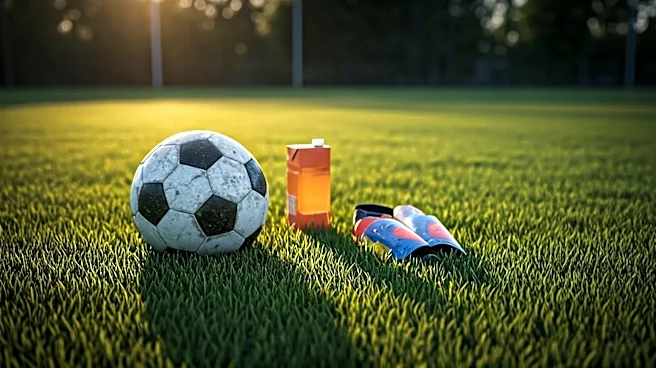
Your packing list should extend beyond jerseys and shin guards. Think of yourself as creating a mobile comfort station. A comfortable camp chair, a warm blanket for chilly mornings, a portable phone charger, and a first-aid kit with basics like band-aids and pain reliever can be lifesavers. These small creature comforts make the long hours on the sideline more bearable for parents and siblings, which in turn helps keep the overall family mood light and positive. When the support crew is comfortable, that calm energy is infectious.