


The Roar of Victory
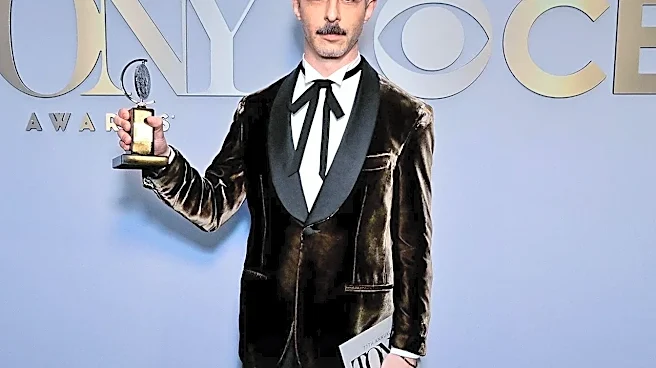
This year, the internet exploded for one reason: Linda Cardellini. After decades of memorable performances, her win for Supporting Actress in the limited series 'DTF St. Louis' felt like a collective triumph. Fans who had followed her career from 'Freaks
and Geeks' to the MCU flooded social media with celebratory posts, many of them emotionally declaring it was “long overdue.” The reaction wasn't just happiness; it was a profound sense of validation. Her tearful acceptance speech, where she expressed gratitude for a career of getting to do what she loves, was clipped and shared thousands of times, becoming an instant, wholesome meme. For her followers, this wasn't just an award for a single role; it was a career achievement award bestowed by the culture itself, with the Television Academy finally catching up.
The Agony of the 'Snub'
On the flip side was the wave of despair from fans of HBO’s financial drama 'Industry'. Despite critical acclaim and a passionate online following, the show and its stars, including Myha'la Herrold and Kit Harington, were once again shut out of the major categories. The term “INDUSTRY ROBBED” immediately trended online. Frustration wasn't just aimed at the winners; it was a systemic critique of the Television Academy, which fans accused of being out of touch. Similarly, when Jeremy Allen White and Ebon Moss-Bachrach failed to secure nominations for the final season of 'The Bear', their fans were apoplectic. This wasn't just disappointment—it was perceived as an insult to a show that had dominated cultural conversations, a clear sign that the establishment just didn't “get it.”
It's Personal: The Parasocial Connection
So why does a trophy win or loss for a millionaire actor feel so intensely personal? The answer lies in the modern parasocial relationship. We don't just watch shows anymore; we binge them, absorbing characters into our lives over a single weekend. We then follow the actors on social media, getting curated glimpses into their personalities, their politics, and their daily lives. This constant, one-sided intimacy creates a powerful illusion of a genuine connection. When an actor we “know” gets recognized, it feels like a friend is succeeding. When they are overlooked, it feels like a personal slight because their work, which we have invested so much time and emotion in, has been deemed unworthy. The success of an actor like Nicholas Galitzine or a breakout star like Zendaya is built not just on talent, but on their ability to foster this sense of connection with millions.
More Than a Performance
Often, the fervor isn't just about the actor but what their victory would symbolize. A win for a show with significant LGBTQ+ representation, or one that tackles mental health with nuance, feels like a win for that entire community. It’s a sign that their stories, their struggles, and their joys are being seen and valued by the mainstream. The massive fan investment in a new hit like Apple TV's horror-comedy 'Widow's Bay' wasn't just about the sharp writing; it was about rooting for something new and different to break through the noise of established legacy shows. Its eight wins at the Creative Arts Emmys felt like a victory for genre television everywhere. When fans lobby for a win, they are often lobbying for the ideas and ideals the show represents. An Emmy confirms that their taste is not niche, but culturally significant.