




The Look We All Remember
When the disco beat comes on, a very specific aesthetic comes to mind. It’s the uniform of late-70s nightlife, immortalized on film and in photos from legendary clubs like Studio 54. For men, it’s often John Travolta’s three-piece white suit from Saturday
Night Fever—a polyester warrior ready for the dance floor. For women, it’s flowing Halston gowns, slinky wrap dresses, sequined tube tops, and body-hugging jumpsuits. The materials were key: satin, spandex, glitter, and fabrics that shimmered under the lights, designed for maximum drama and movement. This is the high-glamour, mass-marketed version of disco that became a global phenomenon, a look of aspirational glitz available to almost everyone.
The Grittier, Funkier Origins
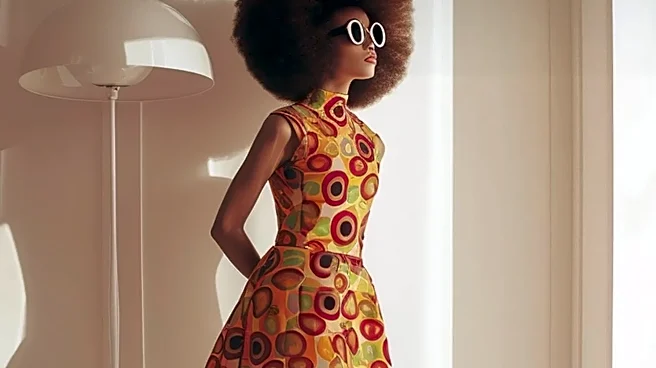
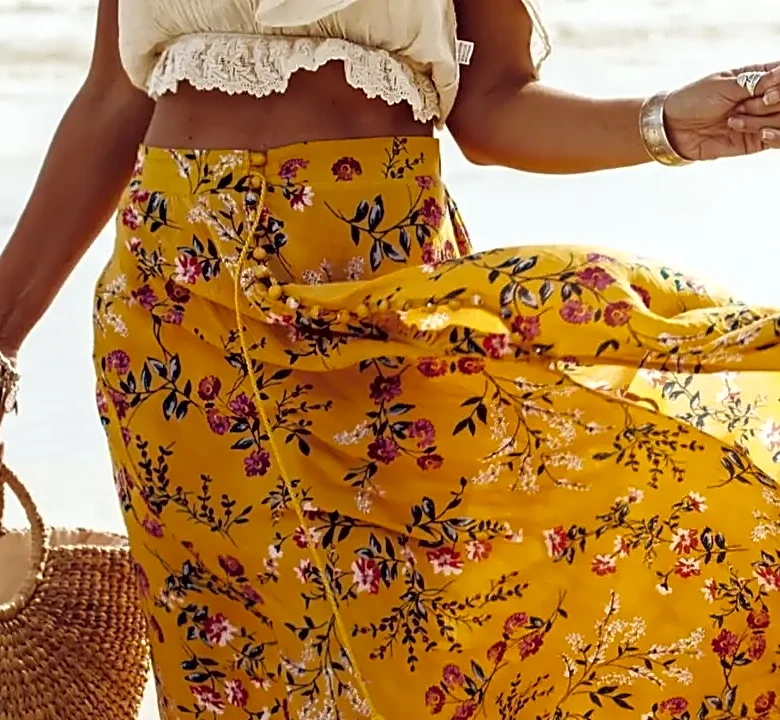
Before the widespread glamour, disco fashion had a different vibe entirely. The disco scene itself was born in the early 1970s, bubbling up from underground clubs in New York City frequented by marginalized Black, Latino, and LGBTQ+ communities. In these early days, the fashion was less a uniform and more a form of individual self-expression. It was an extension of the hippie and funk styles that preceded it: bell-bottom jeans, peasant blouses, ponchos, and lots of handmade or customized pieces. The look was more eclectic and less synthetic. It was about personal freedom and challenging norms, not necessarily about wearing expensive or specifically designed "disco" clothes. This was the authentic, foundational style of disco—a far cry from the slick, matching sets that would come to define its peak.
A Miracle Fabric Changes Everything
One of the biggest reasons for the shift from a more natural, bohemian style to a synthetic, slinky one was technological: a fabric called Qiana. Introduced by DuPont in 1968 after decades of development, Qiana was a type of nylon designed to mimic the look and feel of silk but with the ease of care of polyester. It was lightweight, wrinkle-resistant, and took on vibrant colors beautifully. By the mid-70s, Qiana had become the fabric of choice for disco-wear. Designers like Halston embraced it for his famous flowing, Grecian-style gowns that defined the look of Studio 54 regulars like Bianca Jagger and Liza Minnelli. For the masses, it meant affordable, shiny shirts and wrap dresses that moved perfectly on the dance floor, making the opulent look of the elite accessible to everyone.
Hollywood Cements the Look
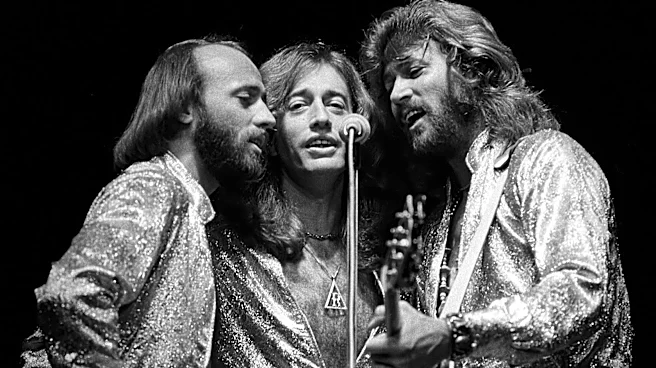
If Qiana provided the material, the 1977 blockbuster film Saturday Night Fever provided the marketing that would make one version of disco fashion permanent. John Travolta’s character, Tony Manero, and his iconic white polyester suit, became a global template for what a man should wear to a disco. The film’s massive success and its best-selling soundtrack by the Bee Gees took the disco subculture and launched it into the mainstream stratosphere. It commercialized the aesthetic, shifting the focus from the diverse, underground origins to a specific, easily replicated look. After the film, department stores were flooded with three-piece suits, wide-collared shirts, and polyester everything. The movie didn't just capture disco culture; it redefined it for a mass audience, effectively overwriting the grittier, more organic styles that came before it.