




The Belt: A Deliberate Interruption
The humble belt is the default for most American men. It’s functional, familiar, and can add a pop of texture or color. But among the style savants at Pitti, a belt is rarely an afterthought; it’s a conscious choice with a specific visual consequence.
A belt, by its very nature, draws a horizontal line across your midsection, effectively cutting your body in two. For taller men, this isn't an issue. For shorter men, or those looking to create a longer, leaner silhouette, this visual break can be counterproductive. The Pitti regulars understand this. You’ll see them using a belt to deliberately ground a more casual look—perhaps with high-waisted denim or chinos—where the belt buckle becomes a focal point. With fine tailoring, however, they often see it as an unnecessary interruption to the clean lines of a suit. If a suit is well-made, it shouldn't need a belt to hold the trousers up. Using one can look like a sartorial crutch, adding visual clutter where sleekness is desired.
Side Tabs: The Unbroken Line
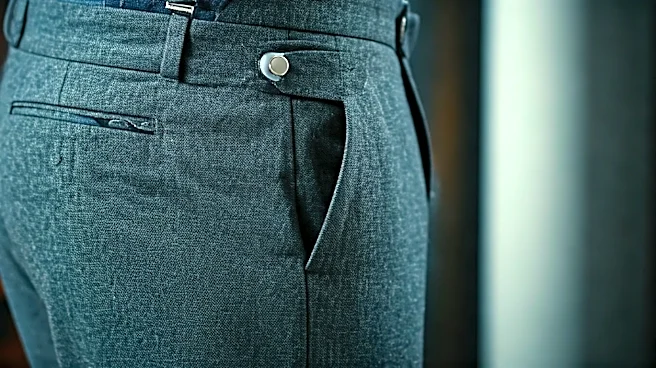
Walk through the Fortezza da Basso during Pitti week, and you’ll notice a conspicuous absence of belt loops on many of the finest trousers. In their place are side tabs, or side adjusters. These small straps of fabric, usually fastened with a metal buckle or buttons, are built into the waistband. They allow for minor adjustments to the fit, cinching the waist by an inch or two without the need for a belt. Their true power, however, is aesthetic. By eliminating the belt, side tabs create a seamless, unbroken line from the waist of the trousers to the shoe. This has a powerful elongating effect, making the wearer's legs appear longer and their entire frame look sleeker and more streamlined. It’s a clean, minimalist approach that puts the focus on the cut and fabric of the trousers themselves. This is the secret weapon for achieving that elegant, put-together look where the clothing appears to be an organic extension of the wearer, rather than something simply strapped on.
Braces (Suspenders): The Master's Choice
For the true connoisseur of classic menswear, braces—never call them suspenders when worn with a suit—are the ultimate tool for controlling proportion. Unlike belts that cinch fabric at the waist, or side tabs that provide a clean closure, braces allow the trousers to hang from the shoulders. This fundamental difference is everything. When trousers hang, the fabric drapes perfectly, maintaining the tailor’s intended line and crease without any bunching or pulling at the waist. This creates the cleanest possible vertical line, maximizing the appearance of height. It also offers superior comfort, as there’s no pressure on your midsection. Wearing braces sends a message of confidence and an appreciation for the traditions of tailoring. It’s a move that requires trousers designed for the purpose (with interior buttons, not clips) and is often paired with a higher-rise trouser, which further enhances the elongating effect on the leg line. It's a statement of sartorial fluency, a nod to a golden age of dressing well that the men of Pitti work so hard to keep alive.