

Luxury for the Masses
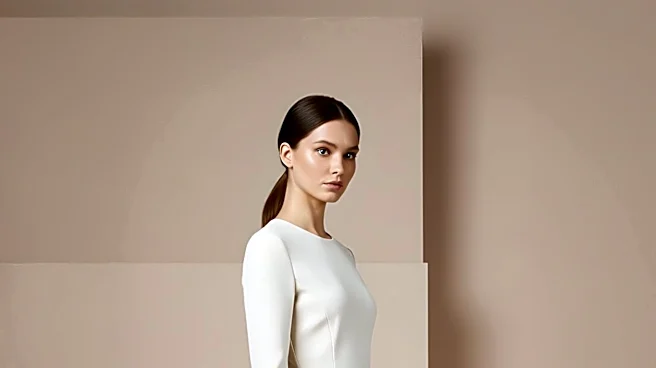
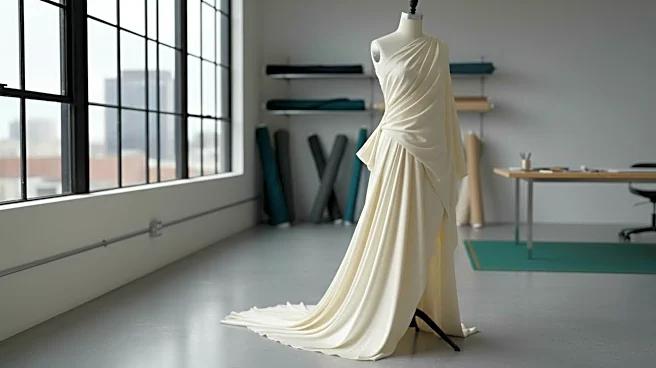
At the heart of the debate is Vera Wang's aggressive and pioneering use of brand licensing. While her couture bridal gowns are aspirational pieces of art with price tags to match, her name also appears on far more accessible lines. Partnerships with retailers
like Kohl's (Simply Vera Vera Wang) and David's Bridal (White by Vera Wang) brought her modern aesthetic to a mainstream audience at a fraction of the cost. Supporters see this as a brilliant democratization of fashion, generating immense revenue and making an iconic brand part of more people's lives. Critics, however, argue it's a classic case of brand dilution. The core argument is that luxury is built on exclusivity and scarcity; when a name is everywhere, from high-end boutiques to department store racks, it risks losing the prestige that justifies its premium prices in the first place.
The Brand as a Lifestyle
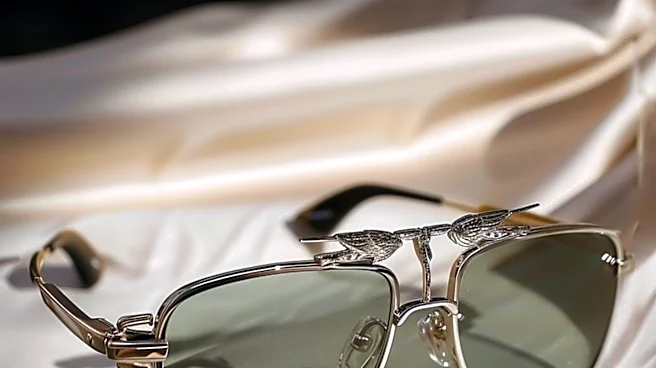
Wang's strategy extends far beyond clothing. Her vision has always been to create a complete lifestyle brand. Over the years, the Vera Wang name has been licensed for fragrances, eyewear, jewelry, home goods, and even a brand of vodka. This 360-degree approach ensures the brand is present at multiple touchpoints in a consumer's life, from their wedding day to their home decor. The division here is subtle but significant. One side sees a savvy businessperson building a diversified and resilient empire that isn't reliant on a single product category. The other side worries that this relentless expansion can feel unfocused, turning a revered designer into a commercial trademark and potentially devaluing the artistic core of the brand.
The Ageless Influencer
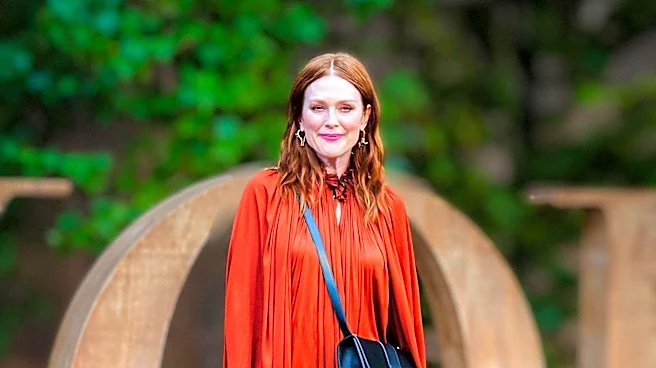
In recent years, Vera Wang herself has become a central part of her brand's marketing, particularly through social media. Her posts, often showcasing her looking impossibly youthful and modeling her own designs, regularly go viral. This has been a powerful tool, keeping her culturally relevant and introducing her to a new generation that may not have been familiar with her bridal origins. This approach splits opinion along generational and philosophical lines. Many celebrate it as empowering—a woman in her 70s defying ageist industry norms and owning her image. It reinforces the idea that her designs are for modern, confident women of any age. However, some industry traditionalists are skeptical of a brand becoming too reliant on its founder's personality, questioning what happens when the founder is no longer the face of the brand.
Embracing High-Low Collaborations
Wang's willingness to engage in unexpected partnerships further highlights her disruptive approach. A recent collaboration with Dunkin' to create a donut-themed proposal contest is a prime example. For purists in the luxury sector, pairing a high-fashion name with a fast-food chain is unthinkable and risks cheapening the brand's image. But for those who champion Wang's model, it's a masterstroke of modern marketing. It generates massive buzz, demonstrates a playful and unstuffy brand personality, and connects with consumers in a culturally relevant and accessible way. This high-low strategy keeps the brand in the conversation, proving it doesn't take itself too seriously, even as it produces some of the most serious gowns in fashion.