



The Anatomy of a Festival Firestorm
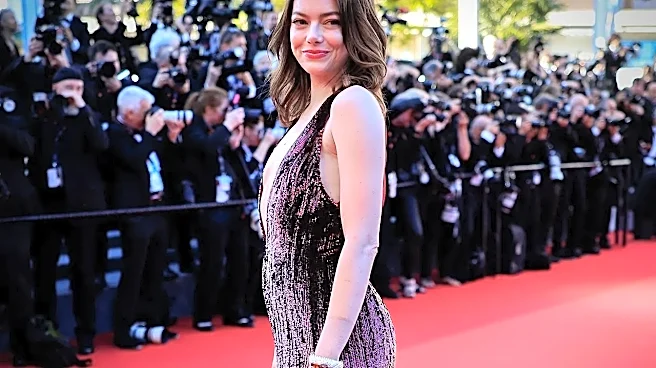
Think of the Venice Film Festival as a cultural pressure cooker. It’s the world’s oldest film festival, a historic launchpad for awards season, and a place where art and commerce collide on the red carpet. This high-stakes environment is uniquely designed
to generate controversy. You have the world’s media packed onto a tiny Italian island, watching provocative films from audacious directors. Add in the egos, the ambition, and the 24/7 social media cycle, and you have the perfect recipe for a scandal. The festival’s very history is steeped in drama, from its origins in Mussolini’s Italy to politically charged protests. This context makes it a magnet for films that challenge, provoke, and sometimes, spectacularly implode on the world stage. The intense focus of a ten-day festival means that a single awkward press conference, a perceived political misstep, or a divisive theme can become the only story, temporarily eclipsing the film itself.
Art vs. Artist vs. Press Tour
Not all controversies are created equal. It’s crucial to separate the on-screen content from the off-screen behavior. Take Todd Phillips’ “Joker,” which won the Golden Lion at Venice in 2019. The film was met with immediate debate over its portrayal of violence and whether it could inspire real-world harm. Critics worried it was “irresponsible propaganda.” That was an artistic controversy, rooted in the film’s themes. In the end, the film's powerful execution, Joaquin Phoenix’s lauded performance, and its top prize win propelled it to Oscar glory and a billion-dollar box office. The debate became part of its story, not a barrier to its success. Contrast that with off-screen drama, like the much-discussed press tour for “Don’t Worry Darling,” which was dominated by gossip and speculation. While the noise was deafening at the time, it ultimately had little bearing on the film’s decent box office run and its eventual place in the pop culture landscape. The drama was about the people, not the product.
Time Is the Ultimate Critic
A week of bad press on the Lido feels like an eternity, but a film’s legacy isn’t written in days; it’s written in decades. The initial wave of hot takes and festival buzz is just the first draft of history. The true test is what happens next. Does the film win major awards, like “Joker” or past Venice winners “The Shape of Water” and “Roma”? Does it find a massive audience? Does it influence other filmmakers? Do critics revisit it years later and find new meaning? A film's staying power is determined by its ability to connect with viewers and contribute to the cultural conversation long after the festival yachts have departed. The discourse around a film evolves. What seems shocking in one era can feel tame or even prescient in another. The initial controversy often just serves as a noisy footnote to a much longer story.
When the Scandal Becomes the Legacy
However, some controversies are not mere footnotes. They are the entire text. This happens when the transgression is so severe it fundamentally corrupts the art itself. The most potent example is Bernardo Bertolucci’s 1972 film “Last Tango in Paris.” While critically acclaimed at the time, its reputation is now permanently defined by the real-life violation of actress Maria Schneider. Bertolucci later admitted that a graphic rape scene was filmed without her full, informed consent regarding a key detail, because he wanted her reaction “as a girl, not as an actress.” Schneider said she felt “a little raped” and was left humiliated. This wasn’t a thematic debate; it was an abuse of power that exploited a young actress for the sake of “authenticity.” In this case, the controversy isn’t just about the film—it is inextricable from the film. The knowledge of on-set abuse makes it impossible for many viewers to engage with the work on its own terms, and its legacy is, justifiably, one of caution and ethical failure.