




The Safety and Security Sweep
Long before the first fan walks through the gate, the entire site undergoes a meticulous safety and security inspection. This isn't a casual stroll; it's a structured audit. Teams walk every foot of the grounds, from the main stage to the parking lots,
checking for potential hazards. They ensure all emergency exits are unlocked, unblocked, and clearly marked. Fire extinguishers and first aid stations are verified to be fully stocked and accessible. Most importantly, they walk the emergency access lanes—the paths an ambulance or fire truck would need. An audit looks for anything that could obstruct these critical routes, like a vendor tent that crept a few feet too far or a stack of production cases left in the wrong spot. This is the bedrock of event safety; without it, nothing else matters.
The 'Line Check' and Systems Test
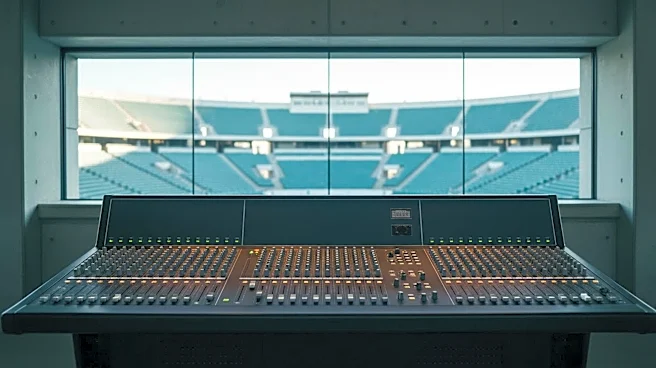
The heart of any modern event is its technology. Hours before gates open, audio engineers perform a "line check," testing every single microphone, cable, and speaker in the system. They are listening for crackles, hums, or dead channels that could ruin a performance. Simultaneously, lighting and video crews are running their own diagnostics. They test every fixture, confirm video screens are receiving a clean signal, and ensure the complex network controlling it all is stable. This is also when backup systems are tested. What happens if the main soundboard fails? Is the backup ready to take over instantly? These checks prevent the show-stopping technical glitches that can derail an entire set.
The 'All-Hands' Communications Check
A large-scale event is a small city, and a city needs to communicate. Before the public arrives, a full communications test is essential. The production manager will conduct a radio check with every department lead: security, medical, artist liaisons, sanitation, and operations. They confirm that all channels are clear and that everyone can hear and be heard, even in potential dead zones on the site. They also review key communication protocols, like what language to use for specific incidents, to ensure calm and clarity under pressure. If the comms network goes down, the ability to manage a simple issue—or a major emergency—disappears with it.
Vendor and Staff Readiness
An event runs on people. The final pre-gate hours are used to confirm that every single staff member, volunteer, and vendor is in position and ready. Production managers and coordinators check in with the teams running ticketing, security screening, concessions, and merchandise. Are the scanners working? Does every staffer have their credentials and a radio? Do the food vendors have power and water? This is also the time for the final team briefing, where the day's run-of-show is reviewed one last time, highlighting critical cues, potential trouble spots, and emergency procedures. It ensures everyone is working from the same playbook.
Site, Signage, and Sanitation Pass
The final look-over focuses on the guest experience. Teams do a final walkthrough of public areas, looking for anything amiss. Is the signage clear and pointing the right way? Are the pathways free of debris or tripping hazards? Are the restrooms stocked and clean? This is also the last chance to check accessibility routes to ensure they are clear for guests with disabilities. It might seem minor, but a small detail like a fallen sign or an overflowing trash can can sour an attendee's experience before the first act even takes the stage. This final pass ensures the venue is not just safe and functional, but welcoming.
The Weather Contingency Review
The one thing no production team can control is the weather. But they can control their response to it. On the morning of the event, the team leadership reviews the latest forecast and discusses the trigger points for their contingency plans. This includes plans for everything from extreme heat (requiring more water stations and cooling tents) to high winds or lightning (which could force a temporary evacuation). They confirm who has the authority to make the call to pause or cancel the show and ensure the messaging to be broadcast to the crowd is pre-written and ready. This proactive review allows them to respond decisively, rather than reactively, to whatever the sky throws at them.