






The Aggressive Prep That Can Backfire
A popular approach to beach prep involves intense exfoliation to achieve smooth skin. Many people turn to powerful active ingredients like retinoids or alpha-hydroxy acids (AHAs) like glycolic acid in the days leading up to a vacation. While these ingredients are
fantastic for boosting cell turnover and revealing fresh skin, they also make that new skin much more vulnerable to the sun. Using them right before significant sun exposure can increase your risk of sunburn, irritation, and even long-term pigmentation issues. For those with already dry or sensitive skin, this kind of aggressive exfoliation can strip the skin's protective barrier, leaving it compromised before it even faces the dehydrating effects of salt and wind.
The Oily and Acne-Prone Skin Paradox
If you have oily or acne-prone skin, you might be one of the lucky ones who feels their skin actually improves at the beach. There's some truth to this. Saltwater can have a temporary drying effect, reducing surface oiliness. It also has mild antimicrobial and exfoliating properties that can help clear away dead skin cells and bacteria, leading to a temporary reduction in breakouts. However, this effect is often short-lived. The combination of sun exposure and the drying nature of salt can trigger the skin to produce even more oil later to compensate, leading to rebound breakouts a few days into or after your trip. What feels like a quick fix can sometimes disrupt your skin's balance in the long run.
The Dry and Sensitive Skin Dilemma
For those with dry, sensitive, or eczema-prone skin, the beach can feel like a battlefield. These skin types have a naturally weaker moisture barrier to begin with. The beach environment launches a three-pronged attack: the sun's UV rays, the wind, and the osmotic effect of saltwater, which literally pulls moisture from your skin cells. This combination can quickly lead to dehydration, tightness, flaking, and flare-ups of conditions like eczema or rosacea. While the gentle exfoliation from salt and sand might sound nice, for this skin type, it's often more irritating than beneficial, causing micro-abrasions and further compromising an already fragile barrier.
The Universal Rules for Truly Beach-Ready Skin
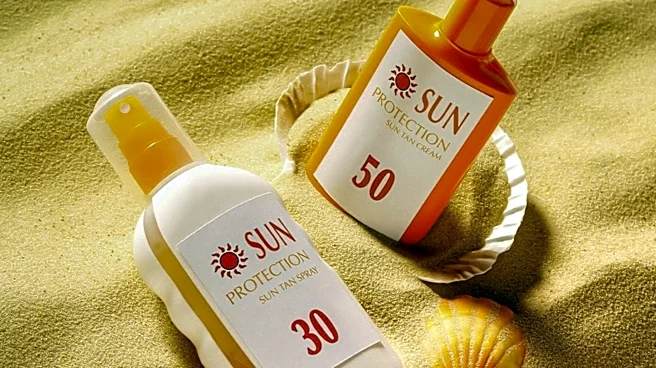
Instead of focusing on aggressive prep, dermatologists recommend a simpler, more protective approach that works for everyone. The week before your trip, dial back on harsh exfoliants and retinoids. Focus on hydration by using moisturizers with ingredients like hyaluronic acid and ceramides to fortify your skin's barrier. The most critical step is, unsurprisingly, sunscreen. Apply a broad-spectrum SPF 30 or higher about 20-30 minutes before you head out, and reapply every two hours, or more frequently if you're swimming or sweating. A gentle, hydrating cleanser to wash off salt, chlorine, and sunscreen at the end of the day is also essential to prevent irritation and clogged pores.