




The Global Living Room
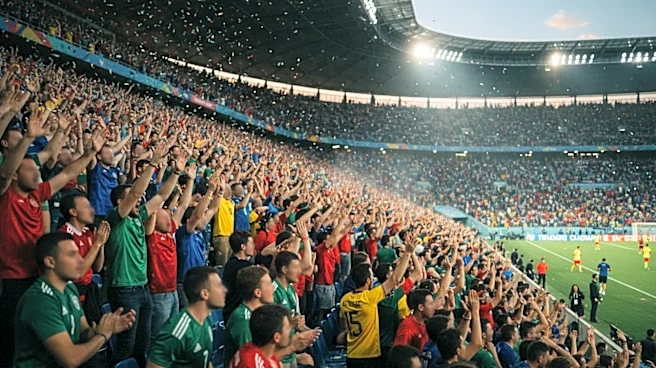
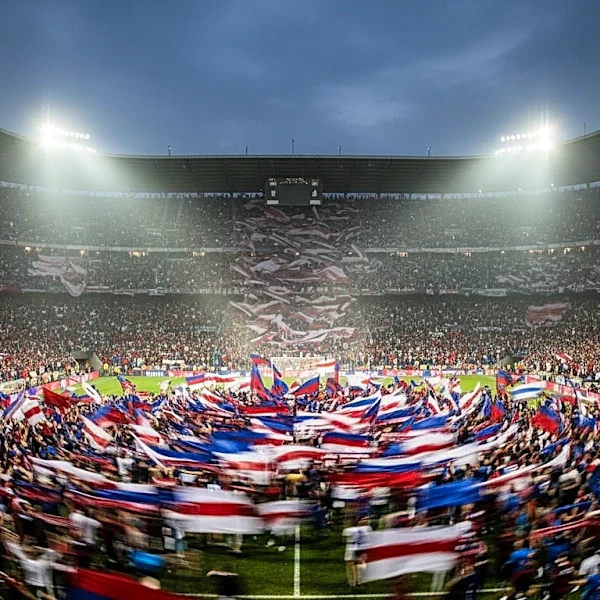
In the age of social media, the World Cup is not just watched; it's experienced collectively and performed publicly. Fans are no longer passive spectators but active participants in the narrative. Every match unfolds across two arenas: the stadium and the internet.
While players create the drama on the pitch, millions of fans online are creating the context, the memes, and the emotional resonance that defines it. This digital ecosystem turns the entire world into a single, sprawling living room where every goal, foul, and referee decision is debated and felt in real-time. Platforms like TikTok, X (formerly Twitter), and Instagram are flooded with hashtags, highlight clips, and raw, unfiltered reactions, making everyone an integral part of the event. The roar of the crowd is no longer confined to the stadium; it's a digital shockwave felt globally.
An Ecosystem Fueled by Passion
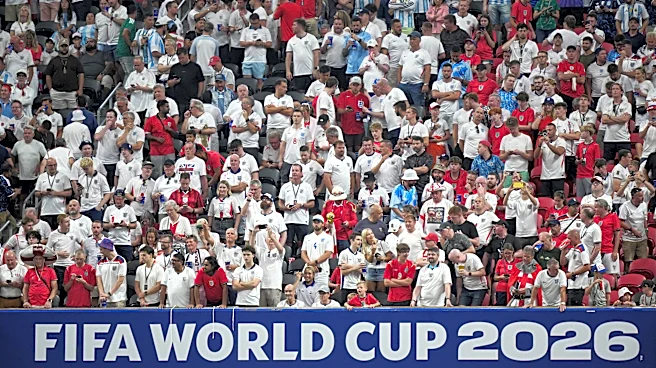
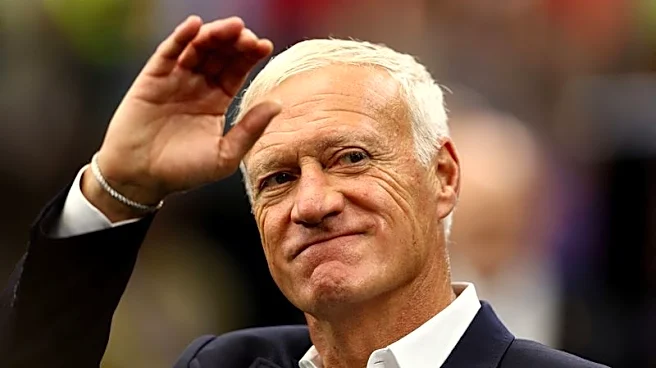
Broadcasters and media outlets have recognized that this raw emotion is compelling television. A perfectly timed shot of a weeping fan or a jubilant crowd can often tell a more powerful story than a post-game interview. It's an entire media strategy. During the 2026 World Cup, broadcasters have invested heavily in capturing these moments, with remote cameras on coaches to catch their reactions and reporters embedded in fan zones. Fan-centric digital media companies have built their brands on being on the ground, capturing the authentic joy and sorrow that major networks, with their elevated glass studios, might miss. This content is not just filler; it's a core part of the product. The fan's passion has become a currency that drives engagement, attracts sponsors, and keeps viewers locked in, long after the final whistle.
The Psychology of Togetherness
There's a deep psychological reason why these reactions are so powerful: collective emotion. Social psychologists refer to the phenomenon where a crowd's feelings sync up as 'emotional contagion.' In a stadium or a packed bar, individual anxiety, joy, or frustration is amplified, creating a shared experience that is more intense than what one would feel alone. This sense of belonging and shared identity is a fundamental human impulse. When Spain's fans in Madrid adopted the 'Viking Row' celebration from Norway's team after reaching the 2026 final, they weren't just celebrating a win; they were participating in a global soccer culture, borrowing a ritual that had gone viral and making it their own. These shared rituals reinforce identity and create powerful, lasting memories that often transcend the final score.
Shaping the Narrative and Legacy
Fan reactions do more than just reflect the story of a tournament; they actively shape it. The outpouring of support for a particular player can soften the blow of a loss, while collective outrage can intensify scrutiny on a referee's call. Consider the scenes after Brazil's shocking exit to Norway in the Round of 16; the images of heartbreak on Copacabana Beach told a story of national mourning that words alone could not capture. These moments become part of a player's or a team's legacy. A team that captures the world's imagination, regardless of whether they win, can become immortalized through the passion they inspire. In this way, the fans act as co-authors of the World Cup's history, ensuring that the story is not just about who won, but about how it felt to watch.