







Authenticity Above All
The core of Ken Loach's method is an unwavering devotion to authenticity. For over five decades, he has been a leading voice of social realism, a cinematic tradition focused on the everyday lives of working-class people. This isn't just a political stance;
it's an artistic one. His films, from the heart-wrenching TV drama "Cathy Come Home" (1966) to the Palme d'Or-winning "I, Daniel Blake" (2016), reject glamour and spectacle. Instead, they find profound drama in the struggles for dignity amidst poverty, unemployment, and bureaucratic indifference. Loach's philosophy is that to tell a truthful story, the way it's told must also be truthful.
The Building Blocks of Realism
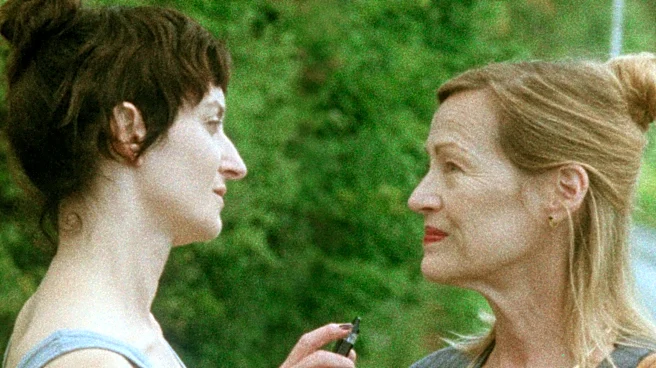
Loach developed a signature set of techniques to achieve this “grubby heightened realism.” He is famous for casting non-professional actors, often finding people whose real-life experiences mirror those of their characters, believing their instincts and even the texture of their skin provide a truth that training cannot. To capture spontaneous, genuine emotion, Loach shoots his films in sequence and often keeps actors in the dark about the full script, feeding them scenes only moments before filming. This method encourages improvisation and prevents performances from becoming stale or rehearsed. This is combined with a minimalist production style: he favors real locations over sets and natural lighting over artificial setups, all to break down the barrier between the audience and the lives unfolding on screen.
The Camera as an Observer
Loach’s visual language is deliberately unobtrusive. Collaborating with cinematographers like Barry Ackroyd and Chris Menges, he developed a style that feels more like a documentary than a feature film. The camera often acts as a quiet observer in the room, positioned to let the action unfold naturally. There are no flashy camera moves or elaborate setups designed to impress. This technique forces the viewer to engage with the characters and their circumstances without distraction. By borrowing the visual cues of documentary—its immediacy and its association with reality—Loach lends his fictional narratives an undeniable weight of truth. His goal is for the film to feel as if it is “just happening spontaneously in front of you,” even when born from a precise script.
A Legacy of Influence
Emerging from the British New Wave of the 1950s and 60s, Loach’s style didn’t stay confined to the U.K. His influence can be seen in the work of European auteurs like the Dardenne brothers and Andrea Arnold ("Fish Tank"), who also explore the lives of the marginalized with a raw, observational eye. But the ripple effect is even broader. Traces of his ethos are visible in the naturalism of American indie filmmakers like Sean Baker ("The Florida Project") and the Safdie brothers ("Uncut Gems"), who share his interest in street-level stories and casting non-professionals. Even prestige television’s turn toward gritty, realistic portrayals of complex social issues owes a debt to the groundwork Loach laid decades ago. While many directors he started with eventually left for Hollywood, Loach remained, refining a style that proved both enduring and profoundly influential.