






The Island Matchup
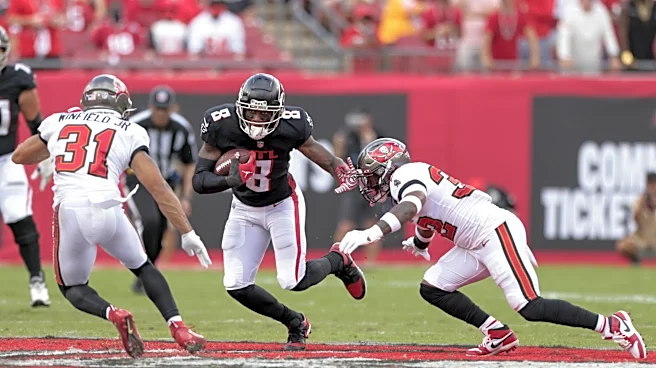
In the NFL, the marquee battle is often the wide receiver versus the cornerback, a one-on-one duel on an “island” that determines the fate of a passing play. The receiver needs speed, agility, and clever footwork to beat their man. In soccer, the modern
winger lives in an almost identical world. Stationed out wide, their primary job is to take on and beat the opposing fullback, who shadows them like a top cornerback. It’s a game of cat-and-mouse, where an explosive first step or a sudden change of direction is the key to breaking free and launching an attack. Both positions are defined by these individual contests; winning your personal matchup is the first step to creating a big play for your team.
The Art of Creating Separation
An elite NFL receiver is a master of separation, using precise route-running and subtle fakes to create a window for the quarterback to throw into. They don’t just run fast; they run smart, manipulating the defender’s position. Soccer wingers are engaged in a similar art form through their off-the-ball movement. They make darting runs to stretch the defense, check back toward the ball to pull a defender out of position, or drift into central areas to find pockets of space. This constant, intelligent movement is designed to do exactly what a receiver’s route does: create separation and open up passing lanes. A winger who stands still is easily covered, just as a receiver who runs a lazy route is a non-threat.
The Dual-Threat Dilemma for Defenses
Modern NFL offenses thrive on receivers who can do more than just catch deep passes. They need to be threats at all levels and even act as decoys. The same evolution has happened with soccer wingers. Traditionally, a winger’s main job was to get to the end line and cross the ball into the box for a striker. But today’s elite wingers are potent goal-scorers themselves. Like a receiver who is just as likely to catch a short pass for a first down as they are to score a 50-yard touchdown, wingers are now expected to be “inverted,” cutting inside from the flank to shoot on goal with their dominant foot. This makes them a dual threat: defenses don’t know whether to protect against the cross or the shot, creating constant uncertainty.
Explosive Athletes, Refined Skills
At its core, the comparison works because both positions demand a rare blend of raw athleticism and highly refined technical skill. Both require elite speed, but more importantly, explosive acceleration to burst past an opponent in a few steps. But the brute force of speed is useless without finesse. A wide receiver’s value is measured by their hands and their ability to secure a difficult catch. For a winger, that finesse is seen in their first touch—the ability to control a long, driven pass instantly while running at full tilt. It’s also in their dribbling ability, keeping the ball on a string to navigate tight spaces. Whether it’s hauling in a fade route in the end zone or delivering a perfect cross into the penalty area, both roles demand that an incredible athlete also possess surgical precision.