
The Glamour of the Gala
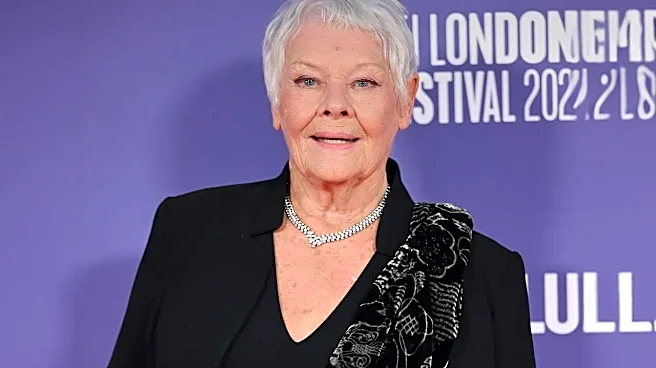
First, let's talk about the 'big event' side of the equation. The London Film Festival (LFF) is a major stop on the international awards circuit, a place where eagerly awaited films make their UK debuts.
This year is no exception. The Southbank Centre’s Royal Festival Hall buzzes with red carpet premieres, attracting global stars and acclaimed directors. The 2026 festival, its 70th edition, opened with 'Elsinore', starring Andrew Scott, and will close with Jesse Eisenberg’s 'The Debut', featuring Julianne Moore and Paul Giamatti. Throughout the festival, gala screenings for major titles like Luca Guadagnino's 'Artificial' and Brad Bird's animated noir 'Ray Gunn' ensure a steady stream of press and prestige. Add in 'Screen Talks' with luminaries such as Ava DuVernay, Mahershala Ali, and Sofia Coppola, and you have an event that easily commands the world’s attention.
A Treasure Map for Film Lovers
But a festival with 251 works from 88 countries is more than just its headline acts. This is where the 'personal treasure hunt' begins. The LFF’s true magic lies in its sprawling, diverse program, curated into thematic strands like 'Love', 'Dare', 'Thrill', and 'Cult'. This structure encourages audiences to navigate by mood and curiosity rather than just by big names. It’s an invitation to take a chance on a restored Ken Russell classic like 'The Devils', a surreal satire like 'Wicker' starring Olivia Colman and Alexander Skarsgård, or a moving Holocaust drama like 'The Liberation' featuring a powerful performance from Carrie Coon. For every major premiere, there are dozens of smaller films, documentaries, shorts, and even immersive VR experiences waiting to be discovered across London and in partner cinemas around the UK.
A Festival for the Audience
Unlike some of its more industry-exclusive counterparts, the LFF has always been, at its heart, a public festival. It was founded with the mission of bringing the best of world cinema to UK audiences, and that ethos remains. Screenings aren’t just confined to one central hub; they happen in cinemas across London's West End and in cities throughout the country, making it widely accessible. There's a palpable sense that everyone is invited. You don't need an industry pass to feel part of it; you can buy a ticket for a single screening or immerse yourself for the full 12 days. This public-facing approach fosters a shared sense of discovery, whether you’re there for a blockbuster or a quietly profound documentary about concrete.
Beyond the Big Screen
The experience extends beyond just watching films. The LFF programming includes a rich slate of free events, panel discussions, and filmmaker Q&As that enrich the context around the movies. The 'LFF For Free' program offers everything from illustrated talks to DJ nights, while the 'LFF Expanded' strand pushes the boundaries of storytelling with interactive installations. This multi-layered approach transforms the festival from a simple series of screenings into a vibrant cultural event. It’s a place to not only see the next big thing but to understand the forces shaping filmmaking today, from internet culture to new technologies. It’s this combination of the grand and the granular that makes the LFF feel both momentous and deeply personal.